<source: Fox News
Summary
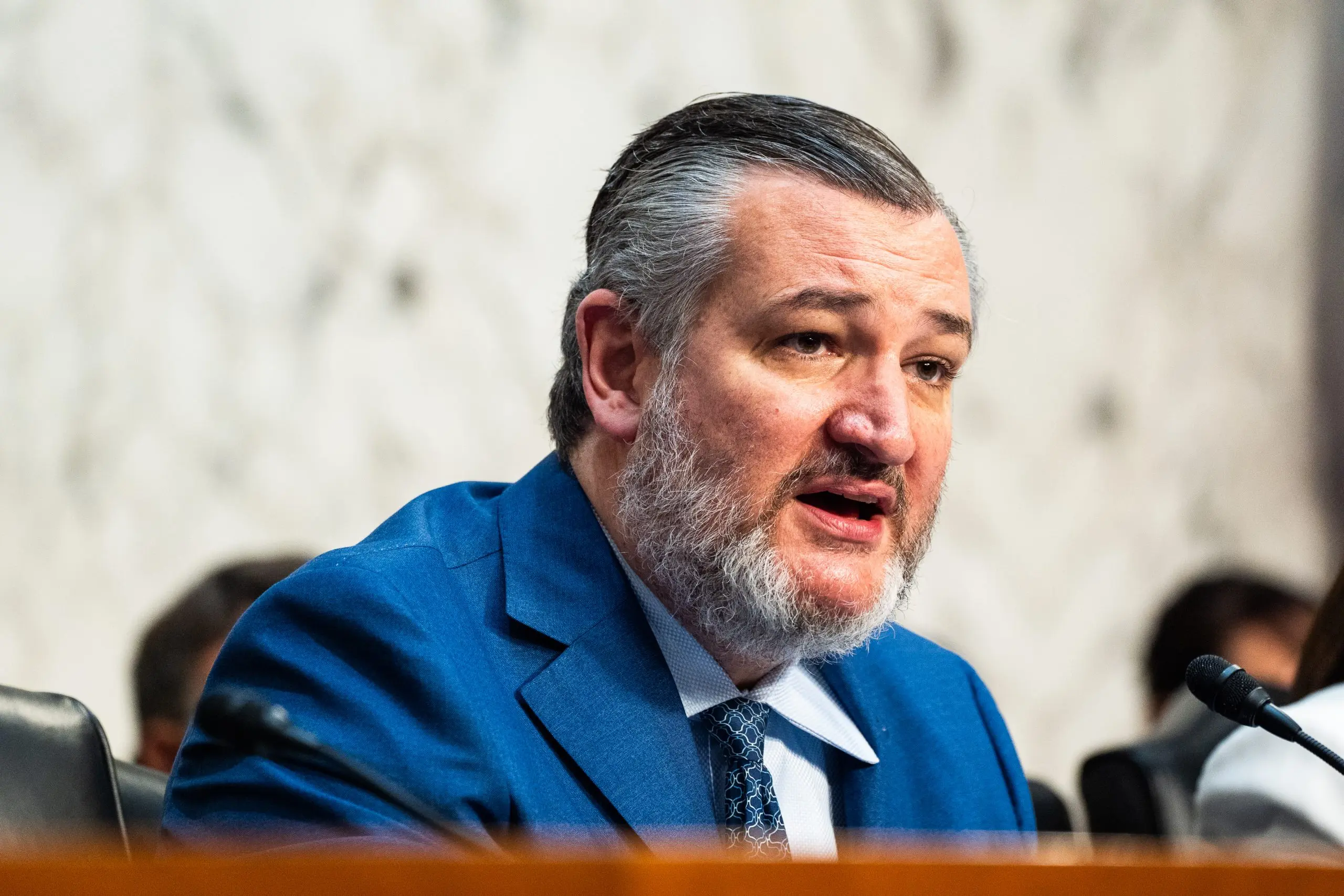
Sen. Ted Cruz, R-Texas, warned that opposition to data centers and AI development in the U.S. is part of a coordinated propaganda campaign, possibly funded by foreign interests. He compared the effort to anti-fracking movements funded by Middle Eastern countries. OpenAI recently banned ChatGPT accounts linked to China, which were spreading narratives against data centers. Cruz said the Democratic Party supports restrictions on AI development, aligning with tech companies seeking regulatory advantages. Effective altruism, linked to figures like Dustin Moskovitz, is also criticized as a leftist influence on AI policy.
Our Reading
As expected, the matter has reached another stage.
Cruz warns of foreign influence in AI debates.
OpenAI bans accounts linked to China.
Democrats face accusations of aligning with tech giants.
Effective altruism is framed as a left-wing movement.
Big money flows into AI policy advocacy.
Author: Evan Null
AI and the Midterm Debate
The AI race between the U.S. and China has become a major topic in the lead-up to the midterms. As political tensions rise, the issue is no longer just about technology but also about influence and control. The debate has moved from Congress to public discussions, with lawmakers and experts weighing in on the risks and opportunities of AI development.
Propaganda and Foreign Influence
Sen. Ted Cruz has raised concerns about foreign propaganda efforts, particularly from China, aiming to shape U.S. AI policy. He claims that these efforts are designed to weaken American technological leadership and make the country dependent on Chinese AI. Cruz’s warnings have added another layer of complexity to the AI debate, suggesting that the race is not just about innovation but also about national security.
OpenAI and the Chinese Accounts
OpenAI recently banned ChatGPT accounts believed to be linked to China. These accounts were spreading messages that data centers are raising electricity costs for Americans. The move highlights the growing concerns about foreign influence in the tech sector and how online narratives can shape public opinion. It also underscores the role of major tech companies in policing content and protecting democratic discourse.
Democrats and AI Policy
Cruz accused the Democratic Party of supporting restrictions on AI development, aligning with tech companies that want regulatory advantages. He suggested that these companies are seeking to control the AI landscape by influencing government policy. This accusation has fueled further debate about the role of big tech in shaping the future of AI and the potential for monopolistic practices.
Effective Altruism and Ideology
Cruz linked the growing influence of effective altruism to leftist ideology, suggesting that it seeks to use AI to push political agendas. This association has raised questions about the motivations behind AI policy advocacy and the role of wealthy donors in shaping the direction of technological development. The movement, backed by figures like Dustin Moskovitz, is gaining traction and influencing the broader conversation on AI ethics and governance.