Source: The Points Guy
Summary
Alaska cruises require careful planning due to unique challenges like weather, itineraries, and entry requirements. Common mistakes include assuming all cruises are the same, not booking excursions early, and underestimating costs. Travelers should consider timing, documentation, and packing for unpredictable weather. The article highlights the importance of choosing the right ship, itinerary, and excursions to match personal preferences and travel style.
Our Reading
The escape is carefully planned.
Mid-season cruises offer better glacier access. Salmon fishing peaks in June. Passports required for most itineraries. Kayaking excursions available independently. Layers and rain gear essential. Shore excursions fill quickly. Travel insurance recommended.
Alaska is a place where the promise of untouched nature is matched only by the logistics of reaching it.
Author: Evan Null
Alaska Cruise Planning Mistakes
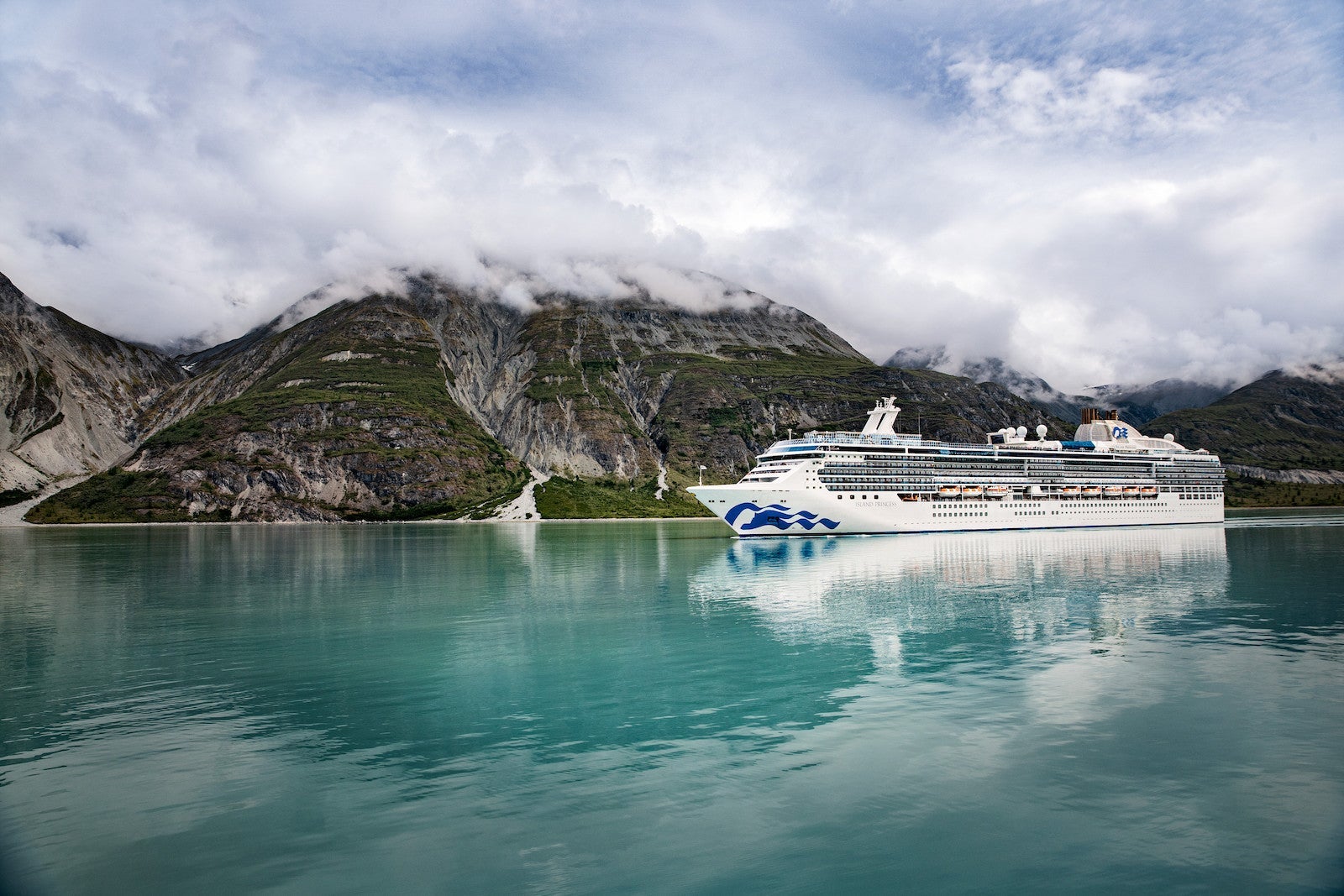
Many travelers assume all Alaska cruises are the same, but itineraries vary based on timing and interests. Glacier Bay visits depend on season, while whale watching is best in June. Salmon fishing requires peak season bookings. Families should consider ship size and activities for children.
Itinerary Changes and Safety
Cruise itineraries can change due to weather or safety concerns, affecting glacier views. In 2026, some cruises had to reroute due to rockslides. Passports are required for most Alaska cruises, even if not docking in Canada. Travelers should verify cruise line policies and entry requirements.
Booking Excursions Early
Alaska shore excursions fill up quickly, especially in summer. Booking early is crucial for popular activities like kayaking or wildlife tours. Independent excursions can offer better value and flexibility, but timing must be carefully managed to avoid missing the ship.
Cost and Travel Insurance
Alaska cruises can be more expensive due to higher port fees, excursions, and travel costs. Early or late-season cruises offer lower prices. Travel insurance is recommended to cover medical emergencies, flight changes, and evacuations, as Alaska’s remote locations can complicate recovery from accidents.
Packing for Alaska
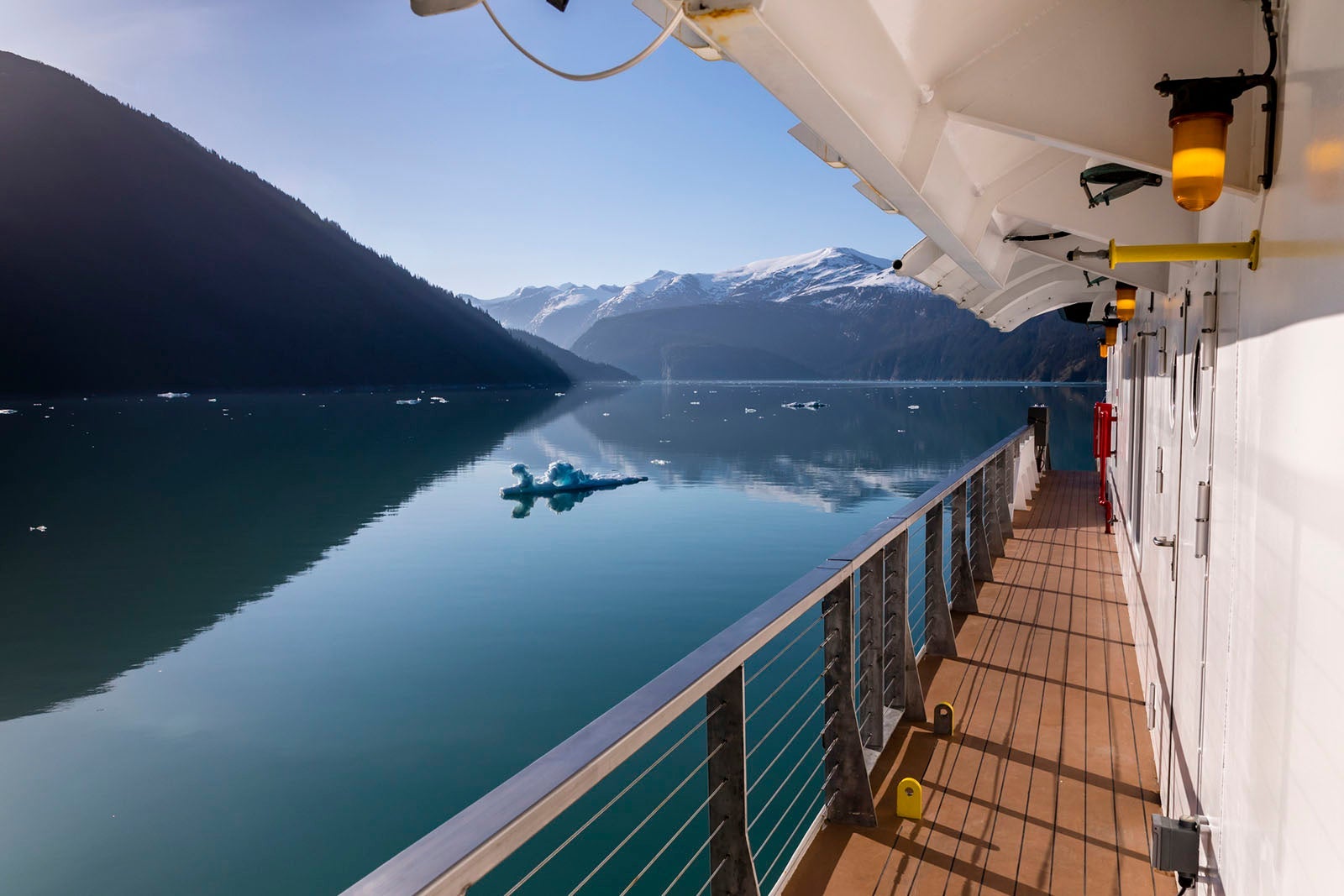
Packing for Alaska requires layers and rain gear due to unpredictable weather. Lightweight, waterproof clothing is essential. Overpacking for evening wear is unnecessary, as dress codes are relaxed. Insect repellent and binoculars are recommended for wildlife viewing and mosquito protection.