Source: Fortune
Summary
OpenAI CEO Sam Altman said he uses TikTok to unwind but deleted it due to its addictive nature. He acknowledged the app’s risks, especially for younger users. Altman also mentioned his concerns about AI’s impact on society. Other executives, like Feng Ren and Josh Bayliss, also use social media for relaxation and market insight. Altman prefers reading books to unwind. His comments highlight the tension between tech’s benefits and its potential harms.
Our Reading
The numbers tell one story.
Altman admits to TikTok’s pull but deletes it.
He calls it dangerous for Gen Alpha.
Executives use social media for both fun and insight.
Reading remains a go-to escape.
AI leaders balance innovation with caution.
Author: Evan Null
Altman’s TikTok Habit and the AI Executive Life
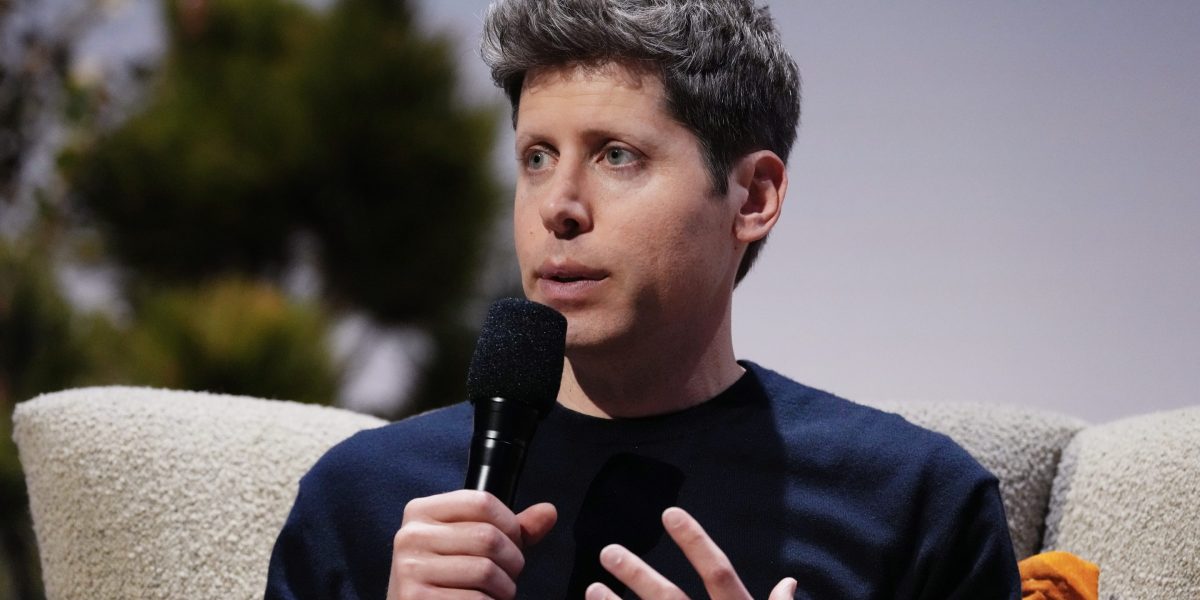
Sam Altman, CEO of OpenAI, has admitted to using TikTok as a way to unwind, but his relationship with the app has been complex. While he initially used it to understand the short-form video experience during the development of Sora, he eventually deleted it due to its addictive nature. Altman’s comments reflect a broader concern about the impact of social media on younger generations, particularly Gen Alpha.
His experience with TikTok highlights the challenges faced by tech leaders who must navigate both the benefits and risks of emerging technologies. Altman’s decision to step away from the app shows a level of self-awareness, even as he acknowledges its power to capture attention.
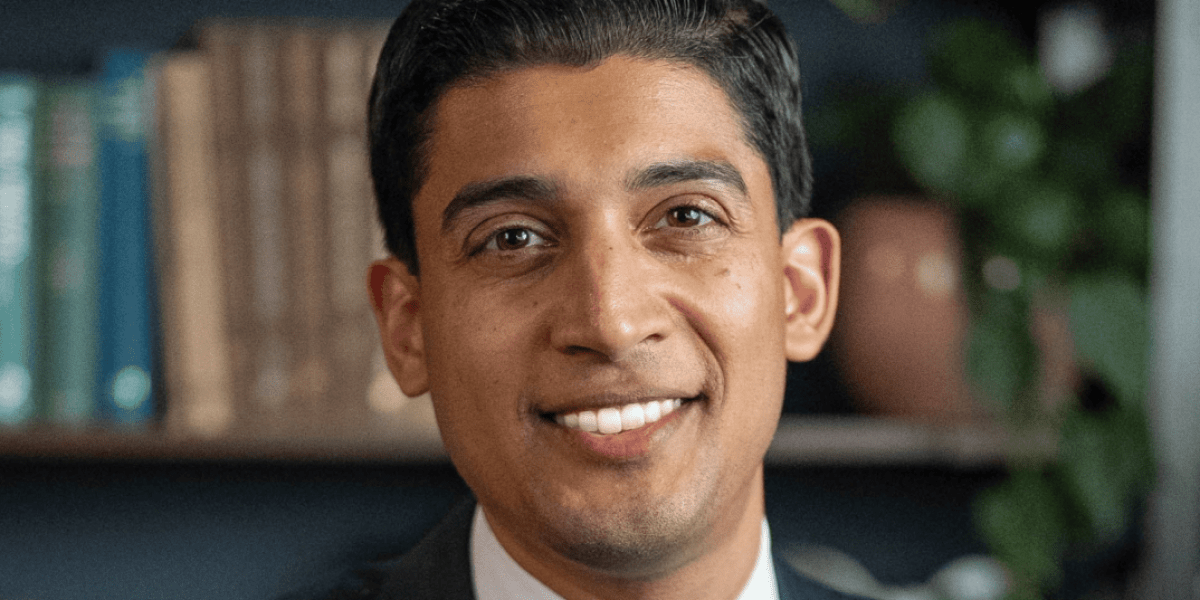
His views on TikTok are not unique. Other executives, such as Feng Ren of Insilico Medicine and Josh Bayliss of Virgin Group, also use social media for both personal and professional reasons. However, their approaches vary, with some advocating for moderation and others emphasizing the need to stay connected to younger audiences.
Despite his concerns, Altman still finds value in social media, though he is careful about how and when he uses it. His preference for reading books over scrolling through apps suggests a deeper appreciation for more traditional forms of relaxation.
Altman’s comments offer a glimpse into the personal habits of a tech leader who is both shaping and being shaped by the digital landscape. His journey with TikTok reflects the broader tension between innovation and self-control in the age of AI.
AI Leaders and the Pressure of Social Media
As AI continues to reshape industries, executives like Altman are under increasing pressure to stay informed about the latest trends. Social media platforms like TikTok have become essential tools for understanding consumer behavior, particularly among younger demographics. This has led many leaders to engage with these platforms, even as they recognize the potential risks.
Altman’s decision to delete TikTok shows a level of self-regulation that is rare among high-profile tech figures. While he acknowledges the app’s power, he also recognizes the need to set boundaries. This balance between engagement and restraint is a recurring theme among AI executives who must manage both personal and professional expectations.
Other leaders, such as Feng Ren and Josh Bayliss, have taken different approaches. While Ren advocates for moderation, Bayliss sees social media as a necessary tool for staying connected to the younger generation. These differing perspectives highlight the complexity of navigating the digital world in a leadership role.
Despite their varying strategies, these executives share a common challenge: the need to remain relevant in a rapidly changing technological landscape. Whether through social media, reading, or other forms of relaxation, they all seek ways to manage the pressures of their roles.
Altman’s experience with TikTok underscores the broader issue of digital well-being among tech leaders. As AI continues to evolve, the line between work and personal life becomes increasingly blurred, making it harder to maintain a healthy balance.
The Personal Side of AI Leadership
Behind the headlines and corporate strategies, AI leaders like Sam Altman face personal challenges that shape their decisions. Altman’s comments about TikTok reveal a more human side to a figure often seen as a visionary. His struggle with the app’s addictive nature reflects a broader concern about the impact of technology on mental health and well-being.
As a father, Altman’s perspective on TikTok has evolved. He no longer sees it as just a tool for understanding short-form video but as a potential risk for younger users. This shift in viewpoint highlights the influence of personal experiences on professional decisions, particularly in the tech industry.
Altman’s journey with TikTok also illustrates the challenges of balancing innovation with responsibility. As a leader in AI, he must navigate the fine line between embracing new technologies and ensuring they are used safely. This responsibility extends beyond the workplace, affecting how he interacts with his family and the broader community.
His decision to delete TikTok shows a level of self-awareness that is not always present in high-pressure environments. While many tech leaders are expected to stay connected at all times, Altman’s choice to step away demonstrates a commitment to personal well-being.
These personal choices, whether related to social media or other aspects of life, play a significant role in shaping the leadership style of AI executives. They highlight the human side of a field often dominated by technical jargon and corporate strategy.
Reading as a Counterbalance to Digital Overload
While many tech leaders rely on social media to stay informed, Sam Altman has found an alternative way to unwind: reading. His preference for books over digital platforms reflects a growing trend among executives who seek to disconnect from the constant stream of information. This choice not only offers a form of relaxation but also provides a deeper, more reflective way to engage with ideas.
Altman’s interest in historical accounts of technological revolutions suggests a desire to understand the long-term impact of AI. By studying past innovations, he gains a broader perspective on the current challenges and opportunities facing the industry. This approach allows him to separate short-term trends from long-term developments, which is crucial for making informed decisions.
Reading also offers a way to escape the pressures of leadership. In a world where constant connectivity is the norm, taking time to read provides a much-needed break. For Altman, this habit is not just a personal preference but a strategy for maintaining focus and clarity in a fast-paced environment.
Other executives have also turned to books as a way to manage the demands of their roles. Whether for entertainment, education, or reflection, reading offers a valuable counterbalance to the digital overload that comes with leadership in the tech industry.
As AI continues to evolve, the need for thoughtful reflection becomes even more important. Altman’s commitment to reading highlights the value of stepping back from the digital world to gain a deeper understanding of the forces shaping the future.
The Broader Implications of AI Leadership
The decisions made by AI leaders like Sam Altman have far-reaching implications for the industry and society at large. As the CEO of OpenAI, Altman is not only responsible for the development of cutting-edge technology but also for addressing the ethical and social challenges that come with it. His comments on TikTok and its impact on younger users reflect a growing awareness of the need for responsible innovation.
Altman’s approach to social media and personal well-being demonstrates a broader shift in how tech leaders are managing the pressures of their roles. While many are expected to stay constantly connected, there is a growing recognition of the importance of self-care and boundaries. This shift is particularly relevant in the AI industry, where the pace of change is rapid and the stakes are high.
As AI continues to shape the future, the personal habits and decisions of its leaders will play a crucial role in determining its impact. Whether through social media, reading, or other forms of relaxation, these choices reflect the complex balance between innovation and responsibility.
Altman’s journey with TikTok and his emphasis on reading highlight the human side of AI leadership. They show that even the most influential figures in the industry are not immune to the challenges of digital overload and the need for personal well-being.
In the end, the way leaders like Altman navigate these challenges will have a lasting impact on the future of AI. Their choices, whether related to social media or other aspects of life, shape the culture and values of the industry, influencing how technology is developed and used in the years to come.