
Alzheimer’s Patients Found to Have Common Respiratory Bacteria in Eyes
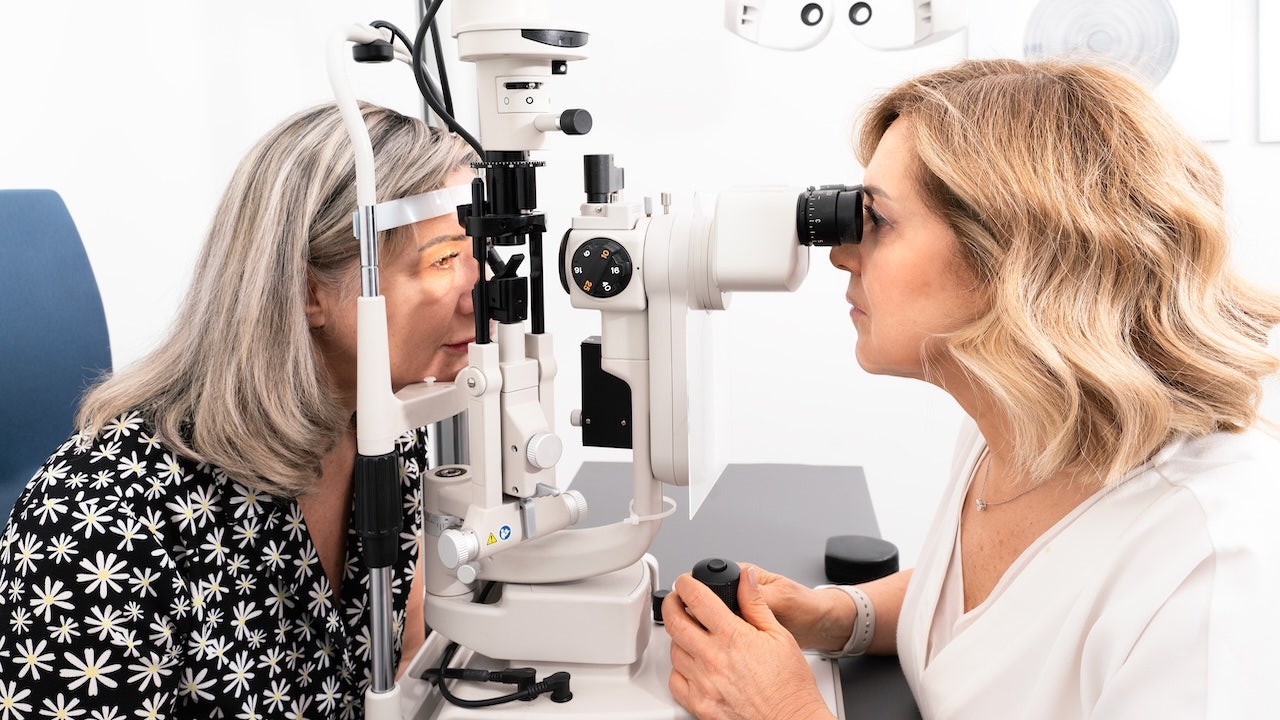
Source: Fox News
Summary
A new study published in Nature Communications suggests that a bacterium commonly found in sinus infections and pneumonia, Chlamydia pneumoniae, may aggravate Alzheimer’s disease. Researchers from Cedars-Sinai’s Health Sciences University in California found that the bacterium was present in the eyes of deceased patients with Alzheimer’s disease and was associated with increased inflammation, nerve cell death, and cognitive decline. The study’s findings point to potential therapies that target inflammation and provide antibiotic treatment in the early stages of infection.
Our Reading
The advice sounds familiar.
This guidance has been heard before, as researchers continue to explore the potential links between infections and Alzheimer’s disease. The study’s findings suggest that Chlamydia pneumoniae may play a role in accelerating the disease, but more research is needed to confirm these findings. The use of retinal imaging tools is being explored as a potential diagnostic method, but these methods are not yet part of routine clinical screenings. As with any new study, it’s essential to approach the findings with caution and consider the need for further research.
The study’s lead researcher, Maya Koronyo-Hamaoui, notes that the retina is directly connected with the brain, making it a potential window into the disease. However, the exact mechanisms by which Chlamydia pneumoniae contributes to Alzheimer’s disease are still unclear. The study’s findings are a reminder that the relationship between infections and Alzheimer’s disease is complex and multifaceted, and more research is needed to fully understand the underlying mechanisms.
As with any new study, it’s essential to approach the findings with caution and consider the need for further research. The study’s findings are a reminder that the relationship between infections and Alzheimer’s disease is complex and multifaceted, and more research is needed to fully understand the underlying mechanisms.
One hope of this study is that it may lead to the development of new diagnostic and therapeutic approaches for Alzheimer’s disease. However, it’s essential to approach these findings with a critical and nuanced perspective, recognizing both the potential benefits and limitations of the research.
Author: Evan Null
