Source: Fortune.com
Summary
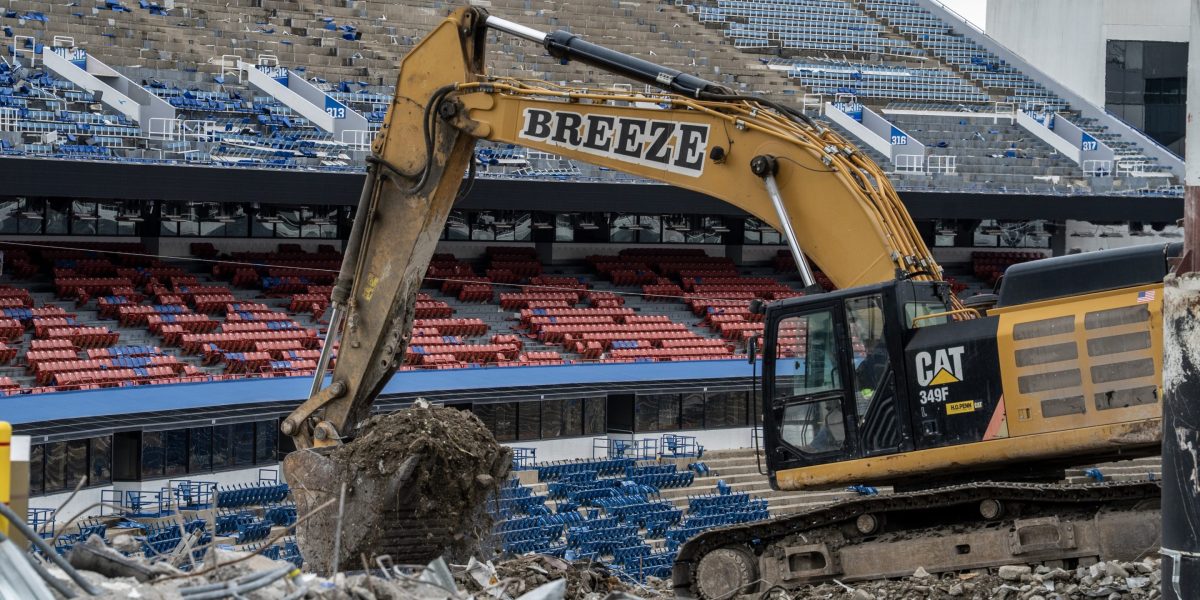
A new NFL stadium in Buffalo, funded by $850 million in public money, will have 11,500 fewer seats than its predecessor, with personal seat licenses reaching $50,000. State and local governments spent $33 billion on sports arenas from 1970 to 2020, with the median public contribution covering 73% of costs. Ticket prices for major events like the FIFA World Cup have risen sharply, with some matches priced over $600. Experts argue that stadium subsidies often benefit wealthy fans more than the general public.
Our Reading
The numbers tell one story.
Public money builds stadiums, then prices fans out.
Teams shrink seats, raise prices, and keep premium revenue.
Resale fees eat into what fans pay.
Subsidies rarely deliver promised benefits.
Author: Evan Null
How much did local and state governments spend on sports?
From 1970 to 2020, state and local governments spent $33 billion on major-league sports arenas in the U.S. and Canada. The median public contribution covered 73% of construction costs. In 2024 alone, over $13 billion in taxpayer subsidies were proposed for new construction and renovations across professional sports.
Public funds are often used to build venues that cater to wealthier fans, with teams using the stadiums to extract more revenue from fewer seats. This pattern is repeated across the NFL, NBA, and MLB, with teams consistently reducing general seating and increasing luxury suites.
Experts argue that stadium subsidies rarely deliver the promised economic benefits. A 2017 survey found 80% of economists believe the costs of stadium subsidies outweigh the benefits. The public ends up funding venues that they are priced out of attending.
Some cities have tried to counteract this by offering free watch parties, like the one in Central Park for the World Cup, where 50,000 residents could not afford tickets to a stadium less than 10 miles away.
The pattern of public funding leading to private profit is not unique to sports. Similar dynamics are seen in the competition for data centers, where states offer tax breaks that often exceed projections and lead to unexpected costs.
How much do new stadium tickets cost?
Individual teams in most leagues don’t share revenue from premium seats and luxury boxes with the rest of their league, creating an incentive to maximize revenue from wealthy fans. This has led to a consistent pattern of fewer general seats, more luxury suites, and higher prices across the NFL, NBA, and MLB.
Average NFL ticket prices nearly tripled from 2015 to 2025, with the new Chiefs stadium expected to have 15% fewer seats than Arrowhead. Teams are shrinking seating capacity while increasing the premium experience, which allows them to charge more per seat.
Experts like Victor Matheson argue that the old model of selling cheap tickets to the working class has been replaced by a focus on high-revenue premium experiences. This shift has led to a situation where the public funds the stadium, but is priced out of attending.
Resale markets have also become a major source of revenue, with fees on transactions ranging from 25 to 35%. This has led to growing frustration among fans, who feel they are being charged twice—once for the ticket and again for the fees.
The Ticketmaster-Live Nation antitrust case highlights the issue of market control, with a jury ruling that Live Nation held an illegal monopoly over the live events industry. This has stifled innovation in ticket market design, as many players profit from the current system.
How much do cities spend in tax subsidies?
The stadium subsidy race mirrors the broader competition between cities to attract businesses with tax incentives. In 2018, Amazon received bids from 238 cities for its second headquarters, with New Jersey offering $7 billion and Maryland $8.5 billion. New York ultimately offered $3.5 billion, but Amazon chose the city based on employee preferences, not incentives.
Economists argue that cities are essentially throwing money into the void, as the companies they are trying to attract would have chosen them anyway. Buffalo was never realistically going to lose the Bills, making the $850 million in public funding more of a ransom than an investment.
The same dynamic is playing out with data centers, where states offer hundreds of millions in tax breaks to attract the AI infrastructure boom. Ohio’s data center tax exemption, initially projected to cost $136 million, ended up costing nearly $1.6 billion—more than 11 times the estimate.
Illinois has also faced challenges with data center tax incentives, with Governor JB Pritzker pausing the program after the legislature failed to make facilities pay for their own electricity costs. The buildings are seen as consuming enormous power and water while bringing few jobs.
These examples show that public subsidies often lead to unexpected costs and limited benefits. The money spent on stadiums and data centers rarely delivers the promised economic growth, and instead, ends up benefiting a small group of wealthy individuals and corporations.
Who wins when the ticket supply is this scarce?
Judd Kessler, a professor at the Wharton School, argues that the stadium subsidy dynamic represents a hidden market failure. When public money builds a venue that an owner then deliberately restricts and ups the amenities, the taxpayer is funding the creation of a scarcity they will personally be priced out of.
This scarcity leads to the rise of resale platforms, where fees can range from 25 to 35% on every transaction. These fees have become a major source of frustration for fans, who feel they are being charged twice—once for the ticket and again for the fees.
The Ticketmaster-Live Nation antitrust case highlights the issue of market control, with a jury ruling that Live Nation held an illegal monopoly over the live events industry. This has stifled innovation in ticket market design, as many players profit from the current system.
The same dynamic played out in New York City, where Mayor Zohran Mamdani paid nearly $1,000 for a standing-room-only ticket to the NBA Finals, while simultaneously announcing a free watch party for 5,000 fans who couldn’t afford to attend.
These examples show that the system is designed to benefit a small group of wealthy individuals and corporations, while the general public is left out of the experience they helped fund.
Do tax incentives for sports stadiums ever work?
Every new stadium deal is sold with the promise of jobs, tourism, and economic revitalization. However, the economic literature is nearly unanimous that these promises rarely materialize. A 2017 survey found 80% of economists believe the costs of stadium subsidies outweigh the benefits.
Experts like Victor Matheson argue that asking blue-collar workers to pay higher taxes so the wealthy can enjoy new stadiums is one of the worst pieces of public policy. The public ends up funding venues that they are priced out of attending, while the owners reap the benefits.
The pattern of public funding leading to private profit is not unique to sports. Similar dynamics are seen in the competition for data centers, where states offer tax breaks that often exceed projections and lead to unexpected costs.
Despite the lack of evidence supporting the economic benefits of stadium subsidies, the practice continues. Cities and states keep offering public money to attract teams and build new venues, even though the results are rarely what was promised.
The result is a system that benefits a small group of wealthy individuals and corporations, while the general public is left to foot the bill for venues they cannot afford to attend.