Source: Fortune
Summary
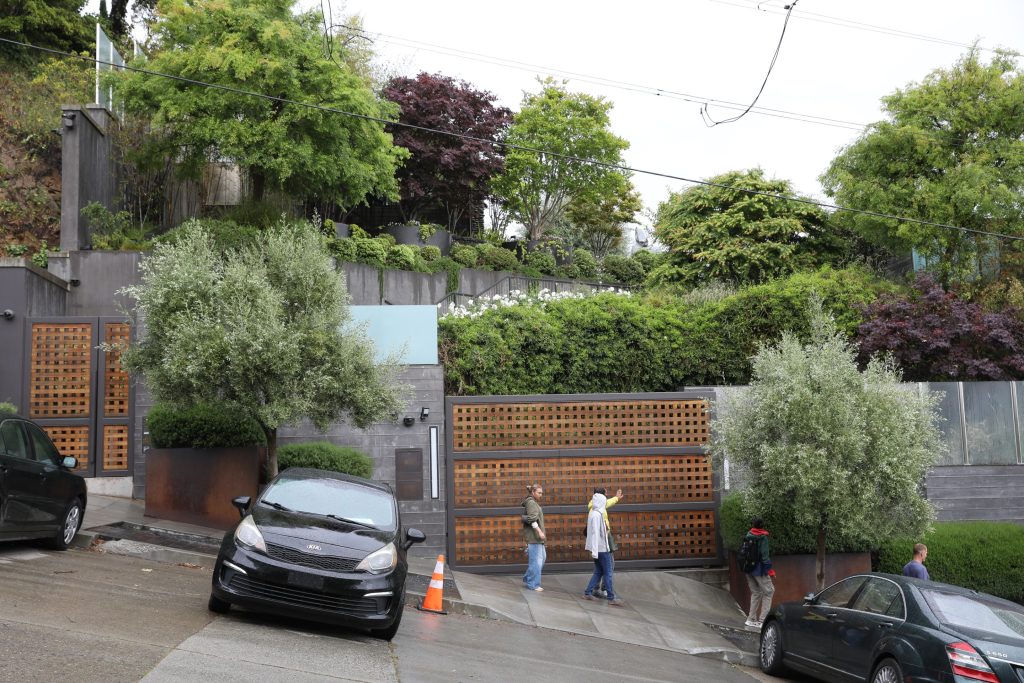
Two anti-AI groups, Pause AI and Stop AI, are facing scrutiny after the attempted firebombing of OpenAI CEO Sam Altman’s home. While both groups condemn the violence and deny any connection to the suspect, Daniel Moreno-Gama, their rhetoric and actions have raised concerns about radicalization and the potential for violence. Pause AI, founded in 2023, aims to slow down the development of “dangerous frontier AI,” while Stop AI, founded in 2024, has taken a more confrontational approach, including civil disobedience and protests. Both groups have been accused of fueling AI panic and potentially leading to radicalization.
Our Reading
The numbers tell one story. Pause AI and Stop AI, two groups with similar names, are now facing questions about their rhetoric and actions. The attempted firebombing of Sam Altman’s home has drawn attention to the groups’ anti-AI stance and their potential connection to the suspect. While both groups deny any involvement, their language and actions have raised concerns about radicalization and the potential for violence. As the debate over AI activism continues, it’s clear that the stakes are high, and the consequences of radicalization can be deadly.
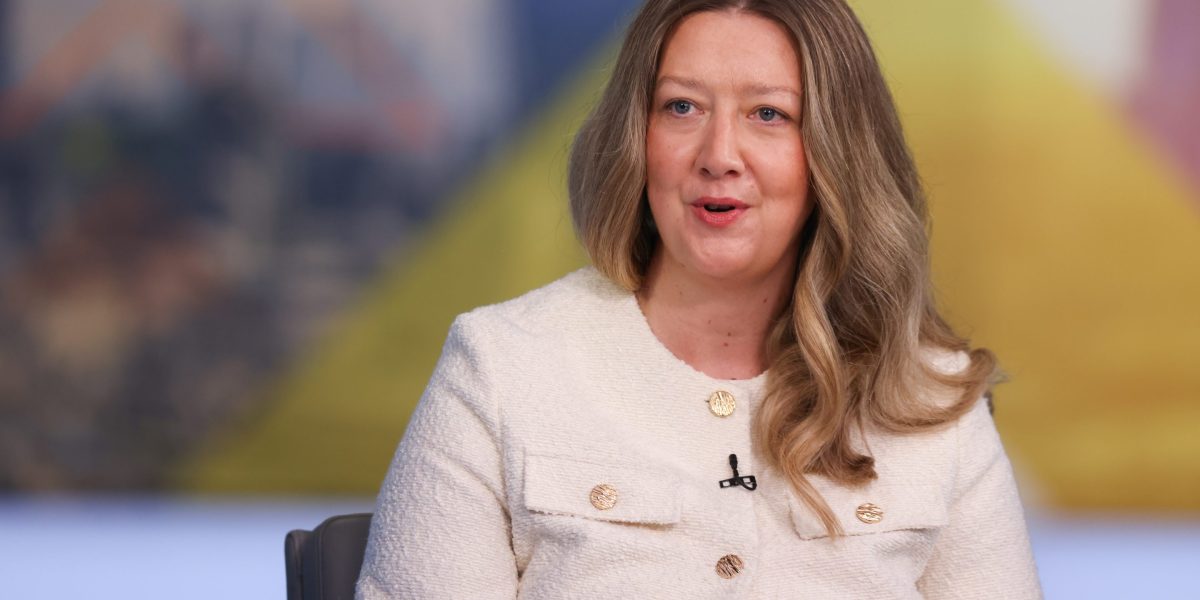
Pause AI’s Holly Elmore said the group has always been clear about its stance on violence, while Stop AI’s Valerie Sizemore emphasized the importance of nonviolent organizing. However, independent researcher Nirit Weiss-Blatt warned that the views and actions of these groups can still lead to radicalization, which can have devastating consequences. As the AI debate continues to heat up, it’s clear that the line between activism and radicalization is thinning.
The incident has also raised questions about the role of social media in fueling AI panic and radicalization. Moreno-Gama’s comments on Pause AI’s Discord server, including one post that read “We are close to midnight, it’s time to actually act,” have been cited as an example of the kind of rhetoric that can lead to violence.
As the AI debate continues to evolve, it’s clear that the stakes are high, and the consequences of radicalization can be deadly. The incident has raised important questions about the role of rhetoric and social media in fueling AI panic and radicalization, and the need for a nuanced and informed discussion about the potential risks and benefits of AI.
One sentence that reframes the situation: The AI debate has become a powder keg of radicalization, waiting to be ignited by the next spark of rhetoric or action.
Author: Evan Null