Source: Fortune
Summary
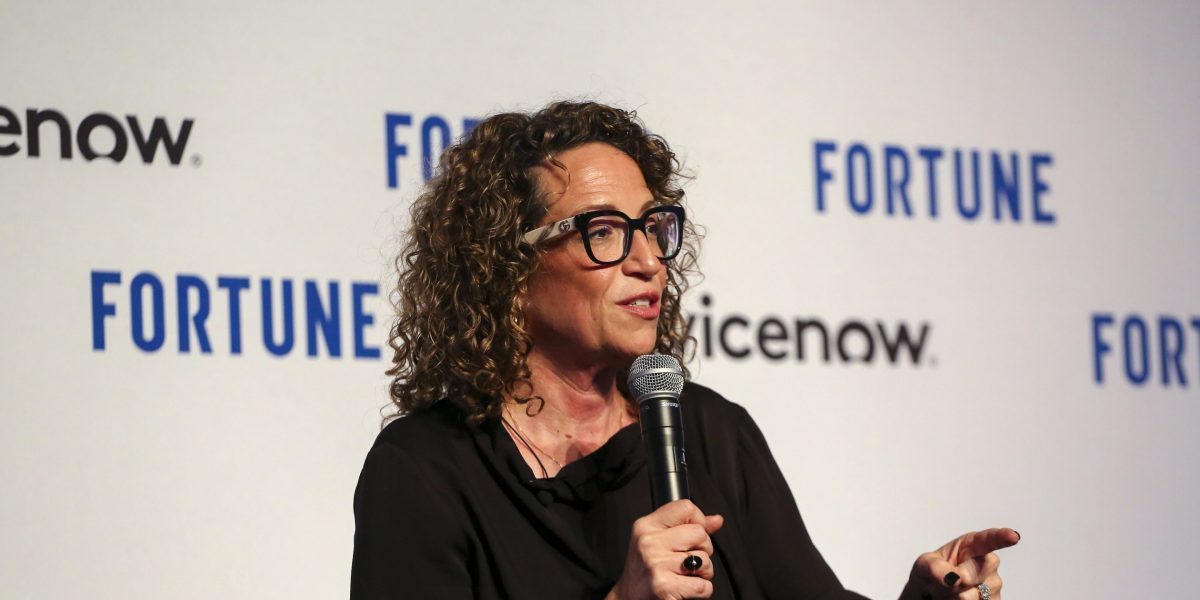
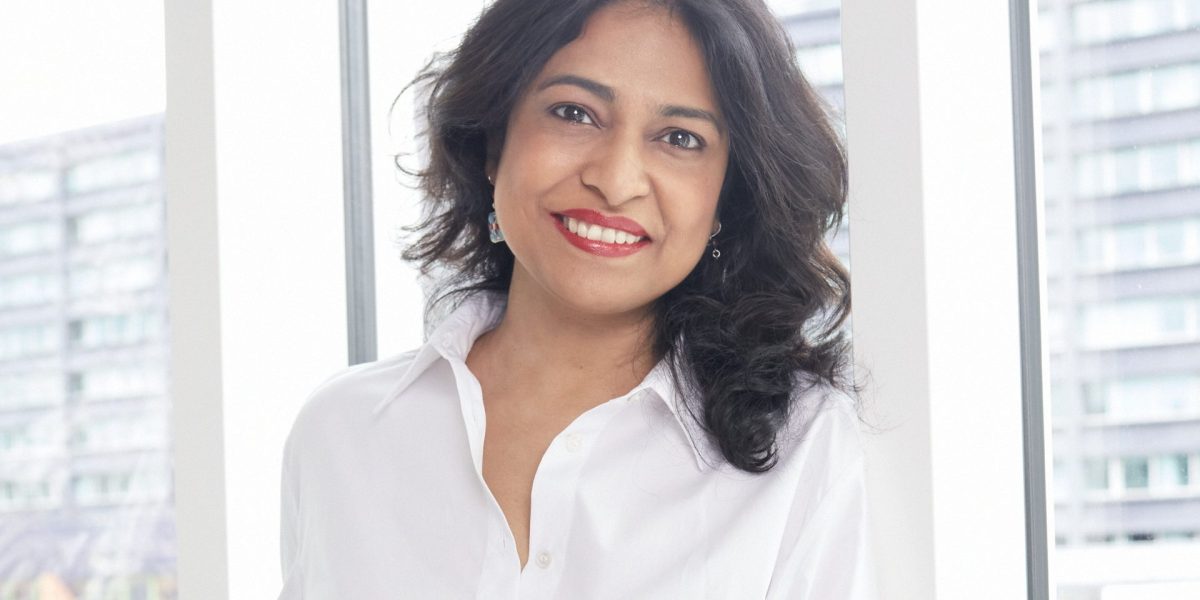
Asmita Dubey, L’Oréal Group’s chief digital and marketing officer, discusses how artificial intelligence is reshaping the marketing process. She notes that AI is influencing how brands generate insights, create content, and engage with consumers. L’Oréal is integrating AI across its operations and collaborating with platforms like Google and OpenAI. Dubey emphasizes the need for marketers to understand AI’s role in the consumer journey, which is expanding due to increased interaction with AI tools. The company is investing in AI-led marketing and rethinking its infrastructure to support these changes.
Our Reading
The announcement sounds familiar.
L’Oréal is reorganizing teams to align with AI.
Marketers now work with data and IT teams.
AI is changing how consumers interact with brands.
Marketing remains about the consumer, even as tools evolve.
Author: Evan Null
The pipes and plumbing
That is where the infrastructure underneath marketing starts to matter.
Dubey describes a marketing ecosystem that is being reshaped on multiple fronts, from publishers and platforms to creative, media, data, and technology agencies.
The SaaS layer that marketers have spent the past decade building around CRM, websites, and other platforms is changing, too.
At L’Oréal, technology is becoming an increasingly important element of the marketer’s job.
The company has brought its beauty research into an internal intelligence platform, allowing employees to interrogate a huge body of existing research conversationally.
The dual muscle of creativity and technology
Dubey says almost 20% of L’Oréal’s marketing investments are now AI-led, while ROI measurement already relies heavily on machine learning and AI.
The result is what she describes as a “dual muscle of creativity and technology.” When those two sides meet, she says, there is an “aha moment.”
But getting there involves learning about a less glamorous side of AI.
“You have to learn the architecture,” she says. “If you don’t, it is going to go wrong, because we’ve got hundreds of agencies, and we’re all working with their tools.”
She emphasizes the need for marketers to understand the underlying systems that power AI-driven marketing.
The next layer: generative engine optimization
The next layer is GEO, or generative engine optimization. This involves thinking about authority, scientific content, brand content, and product information, and how these can be structured so that AI systems can understand them.
Dubey argues that as technology enters marketing, the fundamentals must be correct.
She gives a simple example: A universal commerce protocol might make 100,000 SKUs available to an AI system, but that does not tell the system what a brand should be famous for.
A sunscreen can be described as SPF 50, but it can also be described through the context in which someone might actually use it.
“Essentially, marketing remains about fulfilling a consumer need and creating that deep consumer engagement which is authentic, which is consumer-centric,” Dubey notes.
Experimentation over theory
Dubey believes marketers need to experiment, rather than simply read about AI.
L’Oréal recently put its own senior executives through that process.
“We had our 20 senior-most executives of L’Oréal create an ad with AI—through the whole process from start to end,” she says.
She argues that unless marketers experience AI firsthand, they cannot understand how it works.
“Don’t look at it on paper, just try it,” she says.
The evolving consumer journey
The consumer journey is expanding with AI, as people spend more time interacting with AI tools.
Dubey notes that what was once a few minutes of search is now 11 minutes of chat with AI.
This changes the marketing question, as brands must now be relevant and credible enough to become part of the AI-generated answer.
L’Oréal is testing advertising in Google’s AI Overviews and working with platforms like OpenAI, Amazon, and Alibaba.
“The reason we are talking about AI is because more than a billion consumers are on it,” Dubey says.