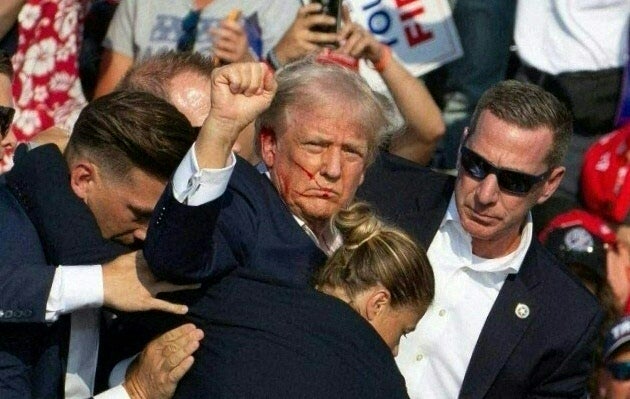
Source: Fox News
Summary
A Department of Homeland Security Office of Inspector General report found that the U.S. Secret Service missed multiple opportunities to prevent or disrupt the July 2024 assassination attempt on Donald Trump during a campaign rally in Pennsylvania. The report detailed lapses in security, including a lack of communication and intelligence sharing, that allowed Thomas Matthew Crooks to get a line of sight of Trump on stage. The report also found that the Secret Service failed to detect Crooks’ drone flight and failed to secure the area outside the security perimeter.
Our Reading
As expected, the matter has reached another stage.
The Secret Service’s response to the assassination attempt follows a familiar pattern. The report highlights a series of lapses in security, including a lack of communication and intelligence sharing. The agency’s failure to detect Crooks’ drone flight and secure the area outside the security perimeter are also noted. The report’s recommendations for improving the Secret Service’s processes for securing events are similarly familiar. The incident serves as a reminder of the ongoing challenges in protecting high-profile targets.
The fact that the Secret Service’s communications room only received a handful of phone calls and texts, and that agents failed to recognize the urgency of the threat, suggests a disconnect between the agency’s protocols and the reality of the situation.
The observation that the Secret Service never should have accepted the risk of doing the event at the site, given the rooftop’s line of sight, is a stark reminder of the importance of advance planning and risk assessment.
The fact that Trump’s campaign staff rejected the idea of using trucks to block the view from the AGR complex because it would interfere with press photographs highlights the tension between security concerns and the desire for a smooth event.
The incident serves as a reminder that the Secret Service’s job is not just to protect the president, but also to balance competing interests and priorities.
Author: Evan Null