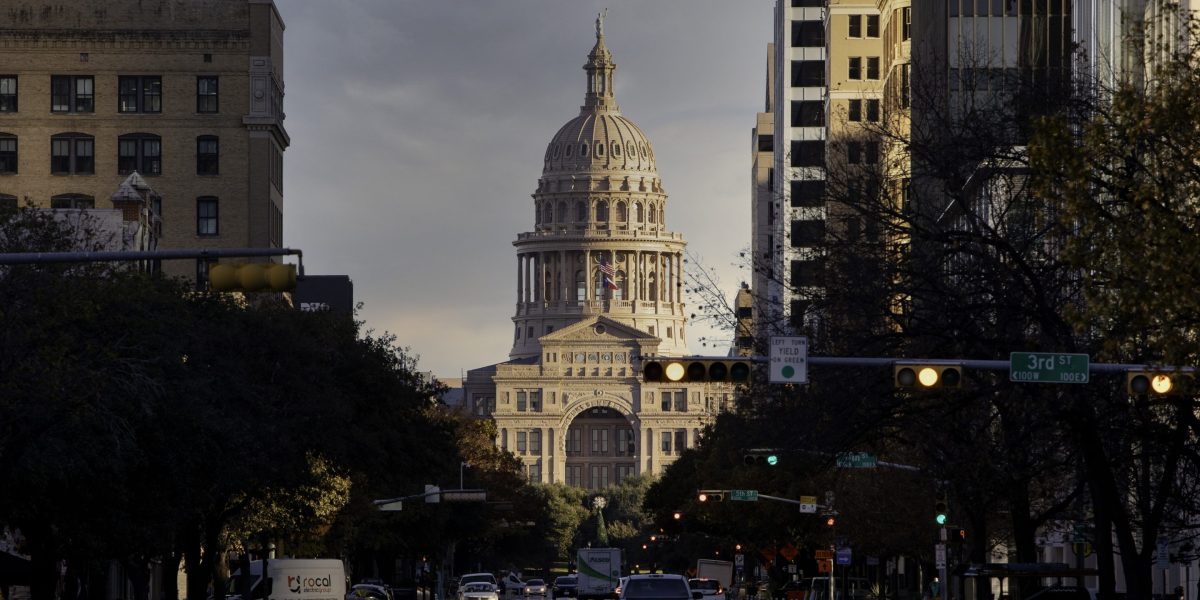
Source: Fortune.com
Summary
Mathew Davis, a man living in a homeless shelter in Austin, Texas, struggles to afford even a basic tiny home due to his low income from donating blood plasma. Despite the availability of 4,500 affordable housing units in the city, many remain vacant because the poorest residents cannot afford them. A survey of state housing agencies found that most low-income housing is targeted at those earning 50% of the area’s median income or more. In Austin, the vacancy rate for affordable housing is nearly 16%, with many units left unoccupied as rents approach market rates. Experts say the federal Low-Income Housing Tax Credit program is complex and inefficient, with many units not serving the poorest. Developers say it is not economically feasible to build units for extremely low-income people without additional subsidies.
Our Reading
The numbers tell one story.
Austin has 4,500 affordable units sitting empty.
Most are for people earning 50% of the area median income or more.
Developers say it’s not profitable to build for the poorest without extra help.
The math does not lie, but the system is broken.
Author: Evan Null
Mathew Davis and the Housing Crisis
Mathew Davis, a 49-year-old man living in a homeless shelter in Austin, Texas, is struggling to afford even the most basic housing. He earns only a few hundred dollars a month from donating blood plasma, making it nearly impossible for him to secure an apartment, even one as small as a $450-a-month tiny home with no running water. Despite the availability of affordable housing, many units remain unoccupied, highlighting a growing disconnect between the needs of the poorest residents and the housing available to them.
The issue is not just about the availability of housing but also about the affordability. In Austin, the city has classified nearly 16% of its affordable housing as vacant, with over 4,500 units sitting empty. This is due in part to the fact that many of these units are targeted at individuals earning 50% of the area’s median income or more, which is far beyond what the poorest residents can afford. As a result, the most vulnerable people continue to struggle, while housing designed for them remains unoccupied.
Experts point to the federal Low-Income Housing Tax Credit program as a major factor in the problem. While the program has financed nearly 4 million affordable units nationwide since its creation 40 years ago, it is criticized for being complex and inefficient. The rules are so intricate that they have created an entire industry of law and accounting firms to manage them. Some argue that the program is more costly than housing vouchers, which could be a more direct way to help the poorest residents afford housing.
Despite the challenges, some cities are beginning to take steps to address the issue. In Austin, the housing department has acknowledged the need to build more units for the poorest residents and is taking steps to prioritize funding for such projects. However, the progress is slow, and the gap between the need and the available resources remains significant. For people like Davis, the housing shortage is not just a statistic but a daily struggle that affects their ability to live with dignity and security.
The situation highlights a broader issue in the U.S. housing market, where the poorest people face the most acute shortages of affordable homes. According to the National Low Income Housing Coalition, there are only about 4 million affordable rental units available for the country’s 11 million extremely low-income renter households. This means that the vast majority of people in need are unable to find housing that is both available and affordable, leading to a cycle of homelessness and economic instability.