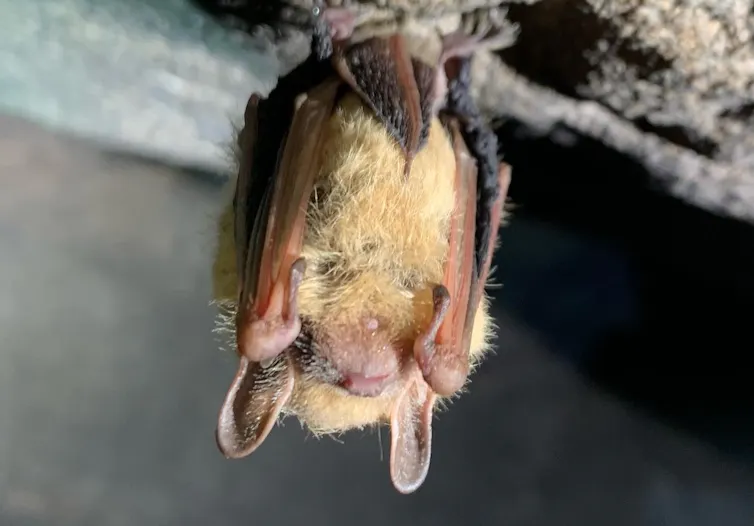
Source: Fortune.com
Summary
Bats play a crucial role in the US economy, pollinating plants, producing fertilizer, and eating insects that damage crops. However, bat populations are declining rapidly due to a fungal disease called white-nose syndrome. The loss of bats has significant consequences for farmers, leading to lower yields, increased pesticide use, and higher costs. Additionally, the decline of bat populations affects local governments, leading to reduced tax revenue and increased borrowing costs. The economic benefits of saving bats create opportunities for farmers, local governments, and investors to earn financial returns through bat conservation.
Our Reading
The numbers tell one story. Bats are worth a lot to the US economy, but their decline due to white-nose syndrome has significant consequences. A single colony of 150 big brown bats can consume 600,000 cucumber beetles in a year, preventing the production of 33 million rootworms. The loss of bats leads to lower yields, increased pesticide use, and higher costs for farmers. Local governments also suffer, with reduced tax revenue and increased borrowing costs. The economic benefits of saving bats create opportunities for farmers, local governments, and investors to earn financial returns through bat conservation. As the article notes, “saving bats isn’t just good ecology – it’s good economics.”
The announcement sounds familiar. Companies often tout the economic benefits of environmental conservation, but the decline of bat populations highlights the tangible consequences of inaction. As the article notes, “the benefits from healthy bat populations create opportunities to make money from bat conservation.”
The strategy enters a familiar phase. The decline of bat populations has significant consequences for farmers, local governments, and investors. However, the economic benefits of saving bats create opportunities for these groups to earn financial returns through bat conservation. As the article notes, “farmers can increase their incomes, local governments can recover property tax revenue to fund public services, and bond investors can earn financial returns from healthier bat populations.”
Author: Evan Null