Source: The Points Guy
Summary
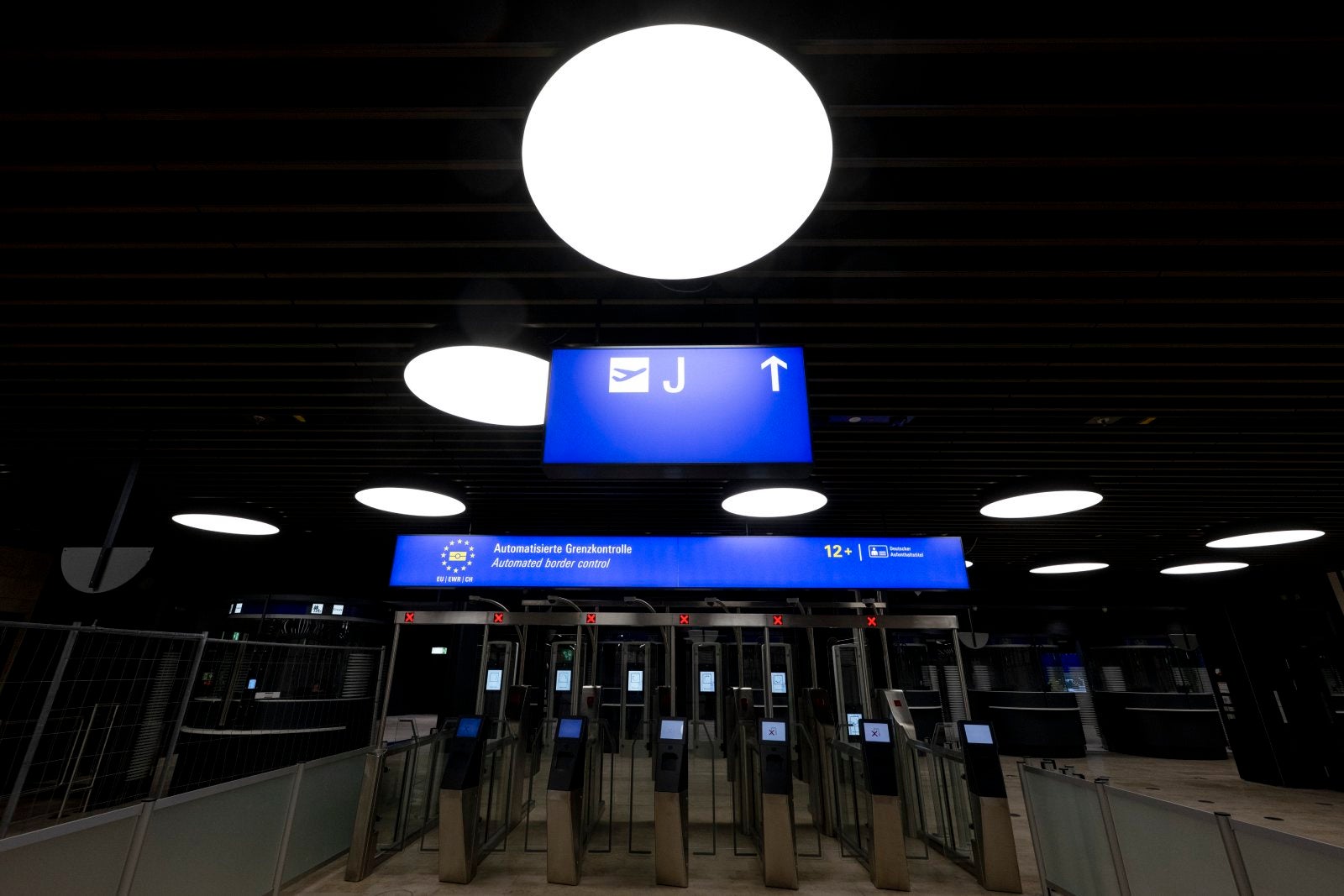
Europe’s new Entry/Exit System (EES) is now fully operational, tracking non-European Union citizens, including Americans, using biometric data for stays up to 90 days. The system, which began its phased launch in October, aims to make border control more efficient but may cause longer airport lines as it experiences hiccups. U.S. citizens will need to go through the EES when traveling to 29 European countries, with some exceptions. The system collects fingerprints, passport details, and facial images, which are stored digitally.
Our Reading
The escape is carefully planned.
Travelers to Europe will encounter a new digital Entry/Exit System, which tracks non-EU citizens using biometric data. The system is designed to make border control more efficient but may cause longer airport lines. Some European countries offer a mobile app to preregister passport data and facial images, while others allow travelers to fill out entry questionnaires in advance. The EES is free to use, but a travel authorization will be required for U.S. citizens entering the EU starting in late 2026.
As the EES works out its kinks, travelers should be prepared to wait in long lines upon arrival and departure from Europe. And, of course, the best way to avoid those lines is to arrive earlier and be one of the first passengers to reach the immigration checkpoint – because what’s a European vacation without a little extra planning?
Author: Evan Null