Source: Fortune.com
Summary
NASA is increasing support for Boeing’s Starliner capsule after a 2024 mission left two astronauts stranded at the International Space Station for nearly a year. The agency reclassified the incident as a “Type A mishap,” its most severe rating. NASA Administrator Jared Isaacman said Boeing should launch an uncrewed Starliner by December, with crewed flights not expected until 2028. The agency is investing an additional $359 million in upgrades, including new valves and seals. NASA aims to maintain two U.S.-based crew transportation options, despite SpaceX’s success with its Dragon capsule.
Our Reading
The numbers tell one story.
NASA is spending more to fix Boeing’s capsule after a major failure.
Boeing’s Starliner is still not ready for crew, even after years of delays.
SpaceX is moving toward Starship, leaving Starliner as NASA’s backup.
Boeing’s problems are not new, but NASA is still betting on it.
NASA’s commitment to Boeing is more about redundancy than confidence.
Author: Evan Null
Boeing’s Starliner: A Case of Stuck in the System
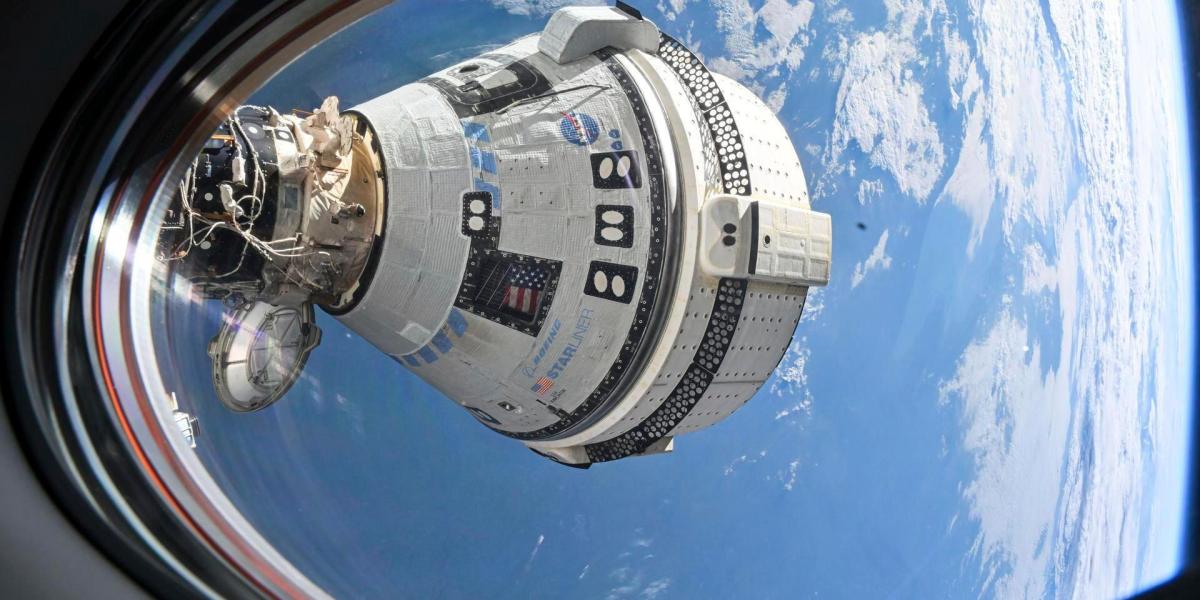
Boeing’s Starliner capsule has been a recurring problem for NASA, with a 2024 mission that left two astronauts stranded at the International Space Station for almost a year. The incident was reclassified as a “Type A mishap,” the most severe category, highlighting the severity of the issues. Despite the setbacks, NASA is pushing forward with additional funding and support to get the capsule back on track.
The agency’s decision to continue investing in Boeing comes as SpaceX has already established itself as a reliable partner, having launched its 14th crewed mission for NASA. However, NASA still wants two U.S.-based options for crew transportation, even as SpaceX shifts its focus to the larger Starship for future missions. This dual approach reflects NASA’s desire for redundancy in its space operations.
Boeing’s Starliner is now expected to make an uncrewed flight to the space station by December, with crewed missions not anticipated until 2028. This timeline underscores the extensive work needed to address the capsule’s safety issues. NASA Administrator Jared Isaacman emphasized that all problems must be resolved before astronauts are allowed back on board, highlighting the agency’s cautious approach.
Despite the delays and setbacks, NASA remains committed to Boeing, stating that it was always “committed to seeing this through.” The agency is investing an additional $359 million in upgrades, including new valves and seals, to ensure the capsule is safe for future missions. This investment shows that NASA is not ready to abandon the project, even as it faces mounting challenges.
As the International Space Station is set to be decommissioned by 2031, the need for reliable transportation to new orbital outposts becomes even more critical. While SpaceX’s Starship is designed for deep space missions, it is too large for docking at current stations. This leaves Boeing’s Starliner as a potential solution, even if it is still not fully operational. NASA’s continued support for Boeing reflects its long-term strategy for space travel and its reliance on domestic partnerships.