Source: Fox News
Summary
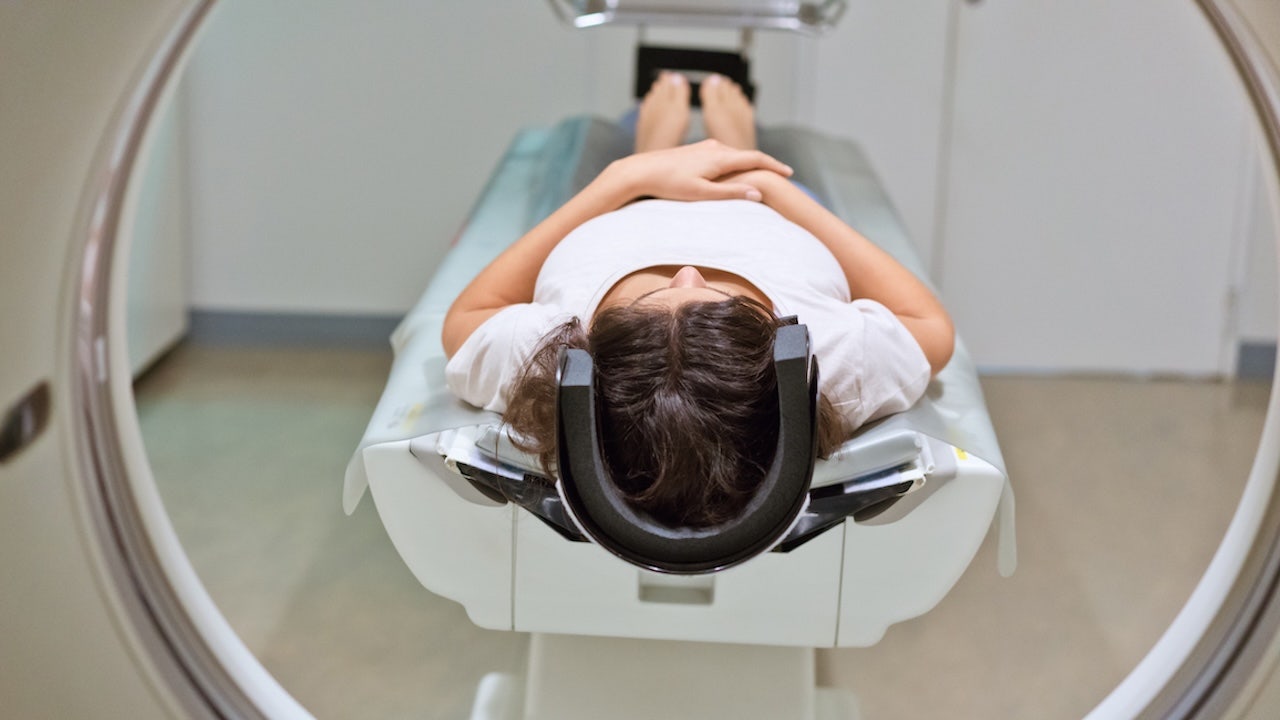
Doctors are debating the benefits and harms of full-body MRI screenings, which have gained popularity after celebrities such as Kim Kardashian and Paris Hilton publicly discussed their experiences. The scans use technologies like MRI, CT, or PET to detect early signs of diseases like cancer and heart disease. However, insurance typically does not cover whole-body scans, and some doctors are concerned about the high upfront cost, lack of clear medical indication, and potential risks such as false positives and overdiagnosis.
Our Reading
The advice sounds familiar.
Full-body scans are not a new concept, but their popularity has been driven by celebrity endorsements. The debate among medical experts about their benefits and harms is ongoing. The American Academy of Family Physicians recommends against full-body scans for early tumor detection in asymptomatic patients. The FDA warns about the potential risks of whole-body scanning, including radiation exposure and questionable benefits.
The guidance has been consistent: more research is needed to understand the long-term effects of full-body scans. Meanwhile, companies like Prenuvo are actively engaged in research studies to provide a foundation for insurance reimbursement.
The situation is a reminder that new technologies and screening methods can be exciting, but they also require careful evaluation and consideration of their potential risks and benefits.
The promise of early detection and prevention is alluring, but it is essential to approach these new technologies with a critical eye, recognizing that more research is needed to fully understand their impact on our health.
As Dr. Mike said, “Barring emergencies, if I don’t have clear data about the harms and benefits of an intervention, especially one that is meant to be used on healthy people, I cannot widely recommend it.” This cautious approach is essential in the ever-evolving landscape of medical technology and health guidance.
Author: Evan Null