
BRICS could become a new pillar of global governance—if its rapid growth doesn’t erode its newfound clout
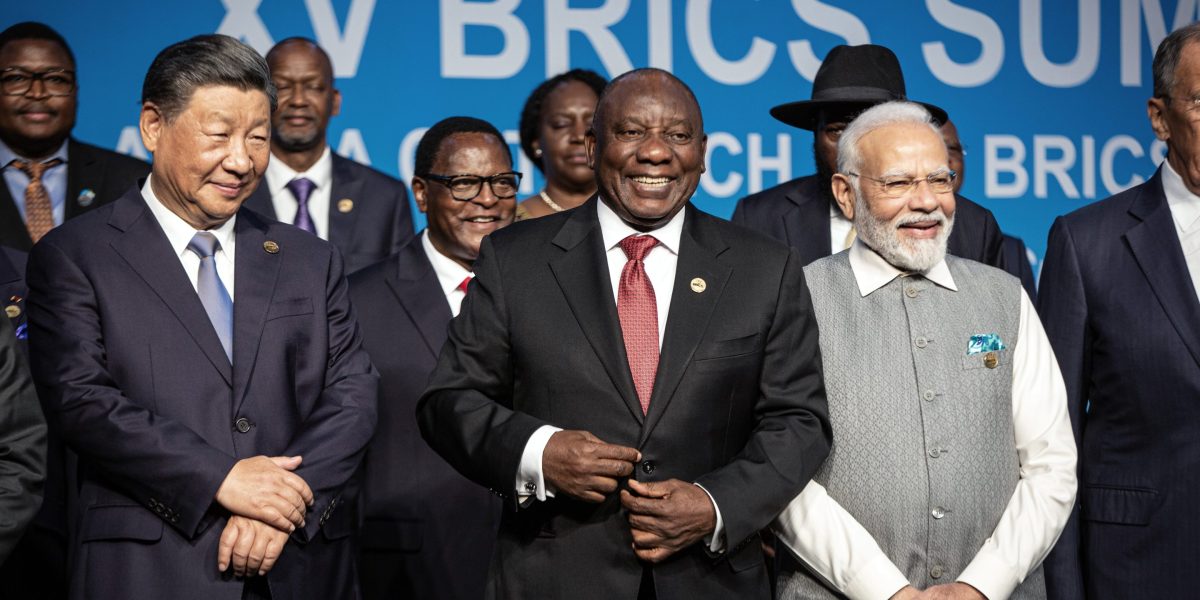
Source: Fortune
Summary
BRICS, a group of emerging economies, has expanded to include 10 countries, but its growth is threatened by internal rivalries, lack of coordination, and conflicting interests. The group needs to establish ground rules and enforcement mechanisms to maintain its strategic clout. Tensions between China and India, as well as disagreements over economic security and political goals, pose challenges. BRICS also faces competition from the West, particularly the US, which has threatened tariffs on BRICS+ countries. The group’s flexibility is both an asset and a liability, and its inability to enforce regulations and punish non-compliance makes it “toothless.”
Our Reading
The strategy enters a familiar phase.
BRICS is expanding, but its growth is threatened by internal rivalries and conflicting interests. China and India, its two largest members, have deep-seated tensions. The group needs to balance economic security with members’ political goals. BRICS is also competing with the West, particularly the US, which has threatened tariffs. The group’s flexibility is both an asset and a liability. Its inability to enforce regulations and punish non-compliance makes it “toothless.” The question is, can BRICS become more than just an acronym?
Author: Evan Null
