Source: Fortune
Summary
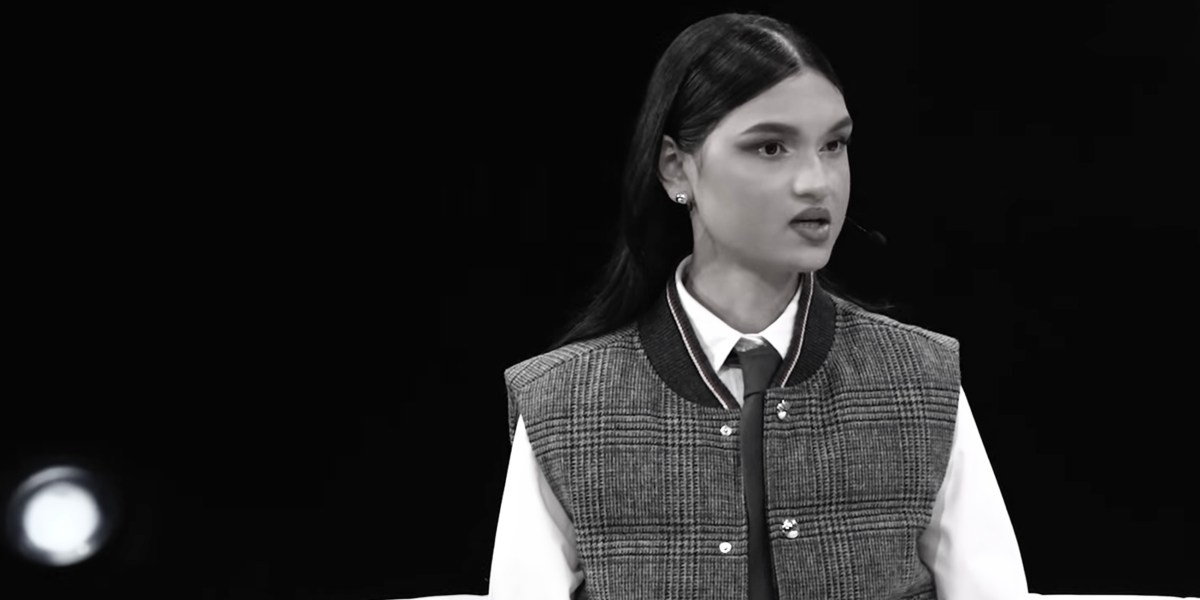
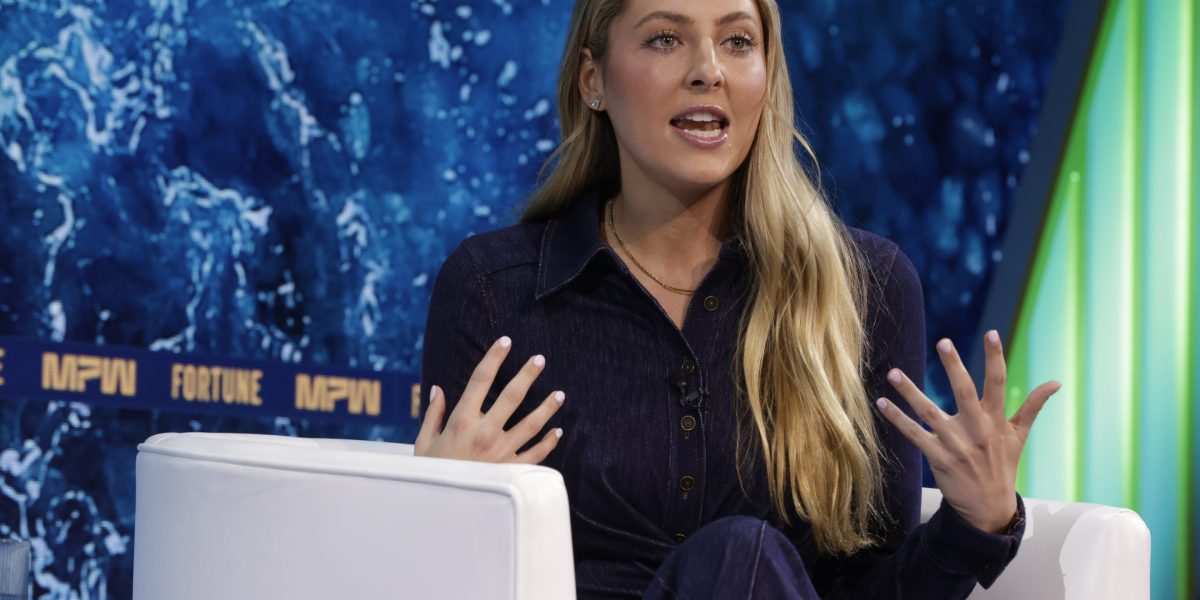
Bridget Griswold, CEO of Lean In, highlighted the “broken rung” issue at the Fortune Most Powerful Women conference, noting that only 93 women were promoted to manager for every 100 men in 2025. She emphasized that this early-career gap has a long-term impact on women’s leadership representation. Griswold also pointed out that progress in closing the gap for Black women stalled after 2021. She credited Sheryl Sandberg for her appointment and said her youth helps her trust her leadership team. Griswold believes women should not have to wait for leadership roles and aims to normalize women in top positions.
Our Reading
The numbers tell one story.
Women face a broken rung in promotions, with fewer women moving from entry-level to manager than men.
Progress for Black women stalled after 2021, showing the need for sustained effort.
Griswold’s appointment as CEO is rare for a Gen Zer, but she sees her age as an advantage.
Leadership roles for women should be normal, not surprising.
Author: Evan Null
Broken Rungs and Unspoken Barriers
The concept of the “broken rung” is a term used to describe the first promotion gap between men and women. It is a critical issue that affects the long-term career trajectory of women. Bridget Griswold, the CEO of Lean In, has been vocal about this issue, emphasizing its significance in the broader context of gender inequality in the workplace.
According to Griswold, the gap in promotions from entry-level to manager is not just a small discrepancy but a significant hurdle that affects women’s ability to advance in their careers. This gap is particularly pronounced for Black women, who face even greater challenges in being promoted to managerial positions.
Griswold’s own career path is an example of how young women can break through traditional barriers. She was appointed as CEO of Lean In at a young age, a rare occurrence in the corporate world. Her appointment has sparked discussions about the expectations placed on young women in leadership roles.
Despite the challenges, Griswold remains optimistic about the future. She believes that with sustained effort and commitment, the broken rung can be fixed, and women can achieve equal representation in leadership positions. Her work at Lean In is aimed at creating a world where women in leadership roles are not seen as exceptions but as the norm.
The conversation around the broken rung is part of a larger dialogue about gender equality in the workplace. It highlights the need for companies to address systemic issues that prevent women from advancing. As more women take on leadership roles, the hope is that the broken rung will become a thing of the past.