Source: Fortune
Summary
Aneel Bhusri, co-founder of Workday, returned as CEO in February 2026 after stepping down in 2024. He described the move as starting a “refounding” chapter for the company. Bhusri cited Steve Jobs’ return to Apple as a key influence, emphasizing the need for a startup mindset and focused innovation. He reduced the number of AI agents Workday offered from 50 to 20 and eliminated non-core projects. Bhusri said he aims to make Workday a leader in AI while ensuring responsible development. The company generated $9.6 billion in revenue last fiscal year.
Our Reading
The numbers tell one story.
Bhusri stepped down in 2024, then returned in 2026 to lead a “refounding.”
He studied Jobs’ playbook, including cutting projects and focusing on core offerings.
Workday cut AI agents from 50 to 20, echoing Jobs’ product line reductions.
Leadership changes and AI focus suggest a pivot toward innovation and control.
Author: Evan Null
CEO Moves and Leadership Shifts
Aneel Bhusri, who cofounded Workday in 2005, stepped down as CEO in early 2024 and took on the role of executive chair. However, he returned to the CEO position in February 2026, citing the need for a “refounding” of the company. This move comes as the enterprise software industry faces rapid changes driven by AI. Bhusri said he felt a responsibility to ensure Workday remained a leader in the next generation of technology.
His return followed a period of reflection and strategic planning. Bhusri said he studied Steve Jobs’ return to Apple, including how Jobs restructured the company and focused on innovation. Bhusri said he wanted to bring a “startup mindset” back to Workday, with clear accountability and a focus on the most important projects. He also emphasized the need for responsible AI development, especially as the technology begins to impact jobs in HR, finance, and legal departments.
Workday’s leadership changes reflect broader trends in the tech industry, where founders often return to guide companies through major transitions. Bhusri’s move comes amid growing pressure to innovate and adapt to the AI-driven future. He has already taken steps to streamline Workday’s AI offerings, reducing the number of AI agents from 50 to 20 and eliminating projects that do not align with his vision.
Despite the challenges, Bhusri remains confident in Workday’s ability to lead in the AI space. He said he did not return to “run Workday better,” but to ensure the company remains “super innovative” and “responsible.” The company’s recent financial performance, with $9.6 billion in revenue last fiscal year, suggests it is well-positioned to navigate the changes ahead.
Bhusri’s return highlights the ongoing importance of founder leadership in shaping the future of tech companies. As AI continues to reshape industries, leaders like Bhusri are tasked with balancing innovation, responsibility, and long-term growth. His approach, modeled after Jobs’ success, suggests a focus on discipline, focus, and strategic clarity.
AI and the Future of Workday
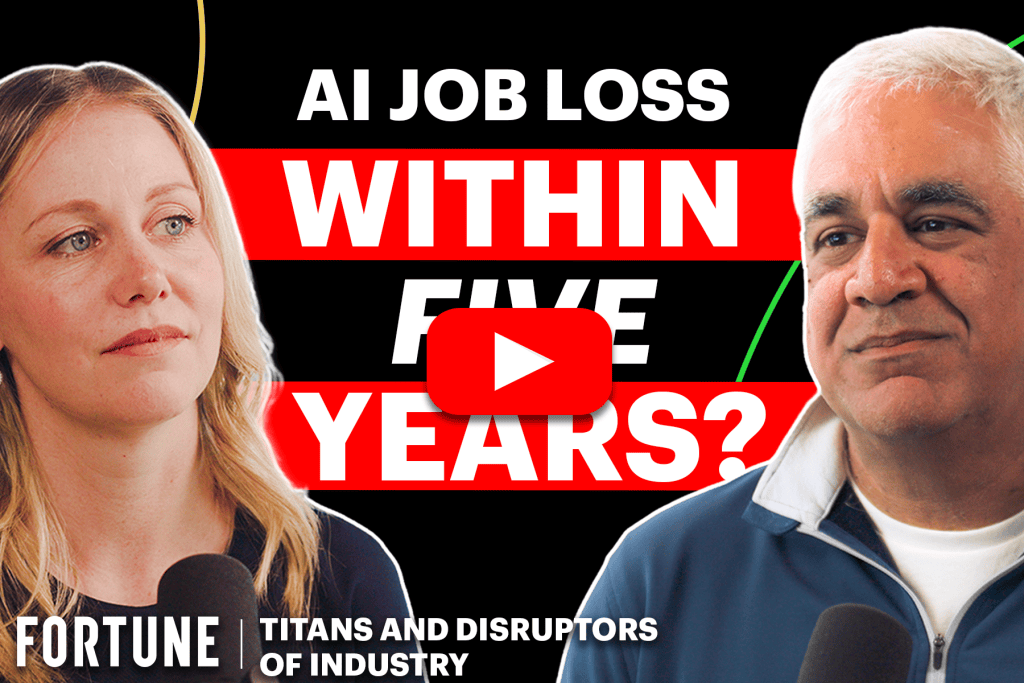
Bhusri has been vocal about the transformative impact of AI on the workforce. He believes the technology will significantly affect jobs in the next five years, with AI already capable of performing human-level tasks in areas like HR, finance, and legal. This perspective underscores the urgency for companies like Workday to develop AI solutions that are both powerful and ethically sound.
Workday’s strategy under Bhusri includes a focus on AI innovation, but with a strong emphasis on responsibility. He has already taken steps to streamline the company’s AI offerings, reducing the number of AI agents from 50 to 20. This move reflects a broader trend in the tech industry, where companies are reevaluating their AI strategies to focus on core capabilities and avoid overextension.
Bhusri’s leadership style, shaped by his study of Steve Jobs, emphasizes a startup mentality, clear accountability, and a focus on the most impactful projects. This approach has already led to significant changes within Workday, including the elimination of non-core initiatives and a renewed focus on AI development. The company’s recent financial performance, with $9.6 billion in revenue last fiscal year, suggests it is well-positioned to support these changes.
As AI continues to evolve, Workday’s ability to adapt and lead in this space will be critical. Bhusri’s return as CEO signals a commitment to innovation and long-term growth, even as the company faces the challenges of a rapidly changing market. His leadership will be key in determining whether Workday can maintain its position as a top enterprise software provider.
The company’s approach to AI development also reflects broader concerns about the ethical implications of the technology. Bhusri has emphasized the need for responsible AI, ensuring that the technology is used in ways that benefit both businesses and employees. This focus on ethics and responsibility is likely to be a key factor in Workday’s long-term success as it navigates the challenges of the AI era.
Leadership and Strategic Reorientation
Bhusri’s return as CEO marks a strategic reorientation for Workday. After stepping down in 2024, he returned in 2026 to lead the company through what he called a “refounding” phase. This move reflects a broader trend in the tech industry, where founders often return to guide companies through major transitions. Bhusri’s decision to step back and then return suggests a deep commitment to the company’s long-term vision and success.
His leadership style, influenced by Steve Jobs, emphasizes a startup mindset, clear accountability, and a focus on the most impactful projects. This approach has already led to significant changes within Workday, including the elimination of non-core initiatives and a renewed focus on AI development. Bhusri’s emphasis on innovation and responsibility is likely to shape the company’s future direction as it navigates the challenges of the AI era.
Workday’s recent financial performance, with $9.6 billion in revenue last fiscal year, suggests it is well-positioned to support these changes. However, the company faces growing pressure to innovate and adapt to the rapidly evolving tech landscape. Bhusri’s leadership will be critical in determining whether Workday can maintain its position as a top enterprise software provider in the face of these challenges.
The company’s approach to AI development also reflects broader concerns about the ethical implications of the technology. Bhusri has emphasized the need for responsible AI, ensuring that the technology is used in ways that benefit both businesses and employees. This focus on ethics and responsibility is likely to be a key factor in Workday’s long-term success as it navigates the challenges of the AI era.
Bhusri’s return as CEO signals a commitment to innovation and long-term growth, even as the company faces the challenges of a rapidly changing market. His leadership will be key in determining whether Workday can maintain its position as a top enterprise software provider. The company’s recent financial performance and strategic focus on AI suggest it is well-positioned to support these changes.
AI, Innovation, and Ethical Responsibility
Bhusri’s focus on AI innovation is driven by the belief that the technology will have a profound impact on the workforce in the next five years. He has already seen AI capabilities that rival human performance in key areas such as HR, finance, and legal. This realization has reinforced his commitment to ensuring that Workday remains at the forefront of AI development while maintaining a strong ethical foundation.
Workday’s approach to AI development includes a focus on responsible innovation, with Bhusri emphasizing the need to balance power with accountability. This philosophy is reflected in the company’s recent decision to reduce the number of AI agents from 50 to 20, streamlining its offerings to focus on the most impactful projects. Bhusri has stated that he is not returning to “run Workday better,” but to ensure it remains a leader in AI while doing so responsibly.
This focus on ethical AI development is part of a broader trend in the tech industry, where companies are increasingly aware of the potential risks and responsibilities associated with the technology. Bhusri’s leadership at Workday reflects this shift, with a clear emphasis on innovation, accountability, and long-term value. His approach suggests that Workday is positioning itself to lead in the AI era while maintaining a strong ethical framework.
The company’s recent financial performance, with $9.6 billion in revenue last fiscal year, indicates that it is well-positioned to support these efforts. However, the challenges of the AI landscape remain significant, and Bhusri’s leadership will be critical in navigating these changes. His focus on responsible innovation and long-term growth suggests that Workday is preparing for the future with a clear vision and strategic direction.
Bhusri’s return as CEO and his emphasis on AI innovation and ethical responsibility highlight the growing importance of these factors in the tech industry. As AI continues to reshape the business landscape, companies like Workday will need to balance innovation with accountability to maintain their competitive edge and long-term success.
The Return of the Founder
Aneel Bhusri’s return as CEO of Workday marks a significant moment in the company’s history. After stepping down in 2024, he returned in 2026 to lead the company through what he called a “refounding” phase. This move reflects a broader trend in the tech industry, where founders often return to guide companies through major transitions. Bhusri’s decision to step back and then return suggests a deep commitment to the company’s long-term vision and success.
His leadership style, influenced by Steve Jobs, emphasizes a startup mindset, clear accountability, and a focus on the most impactful projects. This approach has already led to significant changes within Workday, including the elimination of non-core initiatives and a renewed focus on AI development. Bhusri’s emphasis on innovation and responsibility is likely to shape the company’s future direction as it navigates the challenges of the AI era.
Workday’s recent financial performance, with $9.6 billion in revenue last fiscal year, suggests it is well-positioned to support these changes. However, the company faces growing pressure to innovate and adapt to the rapidly evolving tech landscape. Bhusri’s leadership will be critical in determining whether Workday can maintain its position as a top enterprise software provider in the face of these challenges.
The company’s approach to AI development also reflects broader concerns about the ethical implications of the technology. Bhusri has emphasized the need for responsible AI, ensuring that the technology is used in ways that benefit both businesses and employees. This focus on ethics and responsibility is likely to be a key factor in Workday’s long-term success as it navigates the challenges of the AI era.
Bhusri’s return as CEO signals a commitment to innovation and long-term growth, even as the company faces the challenges of a rapidly changing market. His leadership will be key in determining whether Workday can maintain its position as a top enterprise software provider. The company’s recent financial performance and strategic focus on AI suggest it is well-positioned to support these changes.