Source: Wired
Summary
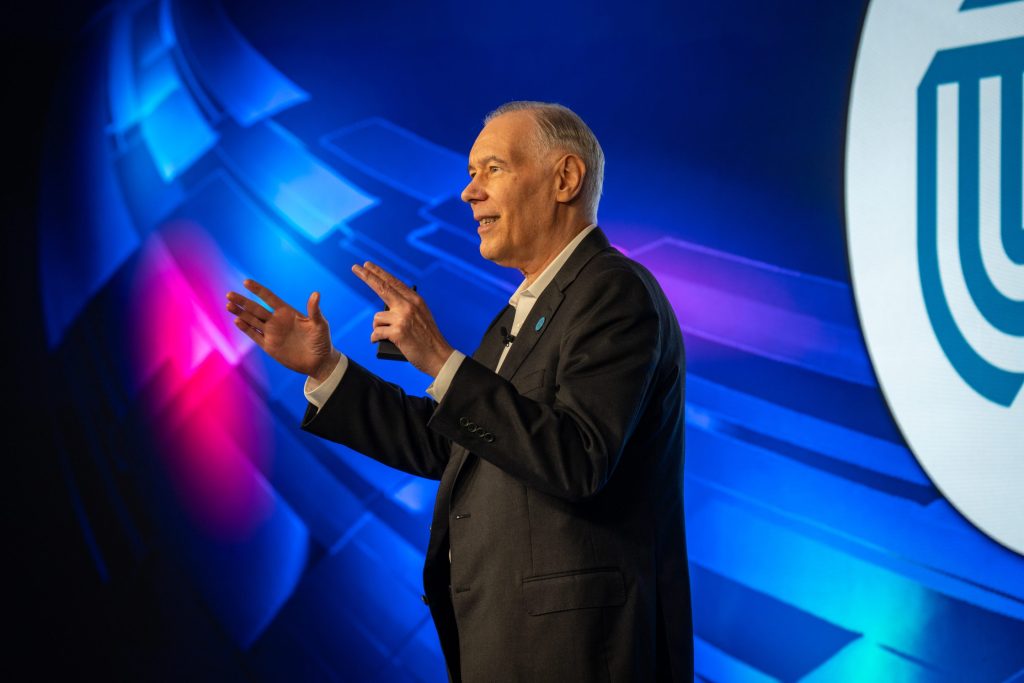
Andrew Feldman, CEO of Cerebras, predicts that personal AI assistants will become as common as household appliances. He said the technology will operate partly on local devices and partly in the cloud. Feldman emphasized the need for hybrid computing models. The statement was made during a recent industry event. He did not provide specific timelines or technical details.
Our Reading
The launch follows a familiar script.
AI assistants are now the new household appliance.
Hybrid computing is just cloud computing with a different label.
Local processing is just a marketing term for slower hardware.
Everyone’s predicting the future, but no one’s delivering it yet.
Author: Evan Null
Rebranding the Same Old Thing
The idea of AI assistants is not new. It’s just been rebranded as a household necessity. The same way smart speakers were once called “voice-activated gadgets,” now they’re “personal AI assistants.”
Cerebras is not the first to make this claim. Every tech company has promised a future where AI is everywhere, but none have delivered a single working model.
Feldman’s prediction is not a breakthrough. It’s a repetition of the same old narrative. AI is still not intelligent, and it still requires massive data centers to function.
Local devices are not the solution. They’re just a way to shift the workload to the user’s hardware, which is often underpowered and unreliable.
The cloud is still the only viable option, but it’s also the most vulnerable. Security and privacy remain unaddressed, as always.
Why This Feels Familiar
Everyone is talking about AI, but no one is building it. The same promises are made, the same hype is generated, and the same underwhelming results follow.
The shift to hybrid models is not a new idea. It’s just a way to make cloud computing seem more accessible and less invasive.
Users are being sold the idea that AI is personal, but in reality, it’s still controlled by large corporations with their own agendas.
There is no real innovation here. Just a rehash of old ideas with new jargon and a slightly different marketing angle.
The future is not here yet. It’s just being advertised again, as it always has been.
The Illusion of Progress
The tech industry thrives on the illusion of progress. Every new product is labeled as “revolutionary,” even when it’s just an incremental update.
AI is the latest buzzword, and everyone is trying to ride the wave. But the reality is far from the hype.
Local processing is not a breakthrough. It’s just a way to make users feel like they have more control, even though they don’t.
The cloud is still the backbone of AI, and it’s still a centralized system with all the risks that come with it.
Nothing has changed. The same promises are being made, and the same problems remain unsolved.
The Same Song, Different Chorus
Every tech leader has a vision for the future, but none of them are delivering it. They’re just repeating the same lines with different words.
The idea of AI assistants is not new. It’s just been given a new name and a new set of promises.
Users are being asked to believe that this time is different, but history shows that it’s never different.
The same companies are making the same claims, and the same results are following. No real progress, just more marketing.
It’s time to stop being fooled by the same old tricks. The future is not here, and it never will be.
What’s the Point?
Why do we keep believing the same stories? Why do we keep falling for the same hype?
The answer is simple: because it’s easier than thinking for ourselves. It’s easier to believe that the future is just around the corner, even if it never arrives.
The tech industry is good at selling dreams. It’s not so good at making them real.
Personal AI assistants are not the future. They’re just the latest in a long line of failed predictions.
And yet, we keep waiting for them to arrive, just like we always have.