Source: Fox News
Summary
A Chicago resident has died from West Nile virus, marking the city’s first death linked to the illness this year, according to the Chicago Department of Public Health. Several cases have been reported in Illinois. The virus spreads through mosquito bites, often after mosquitoes feed on infected birds. The CDPH has sprayed insecticide in multiple areas to prevent infections. Most people experience mild symptoms or none, but severe cases can lead to meningitis, encephalitis, or death. People over 50 or with weakened immune systems are at higher risk. There is no vaccine or specific treatment, but avoiding mosquito bites is the primary prevention method.
Our Reading
This guidance has been heard before.
West Nile virus is back in the news, with a death in Chicago and warnings about mosquitoes.
Public health officials are urging people to avoid bites and eliminate breeding sites.
Experts say most people won’t get sick, but the risk is real for some.
The same advice keeps coming, even as the virus changes its patterns.
Author: Evan Null
Chicago’s First West Nile Death
A Chicago resident has died from West Nile virus, marking the city’s first death linked to the illness this year, according to the Chicago Department of Public Health. The death highlights the ongoing risk of mosquito-borne diseases in the region.
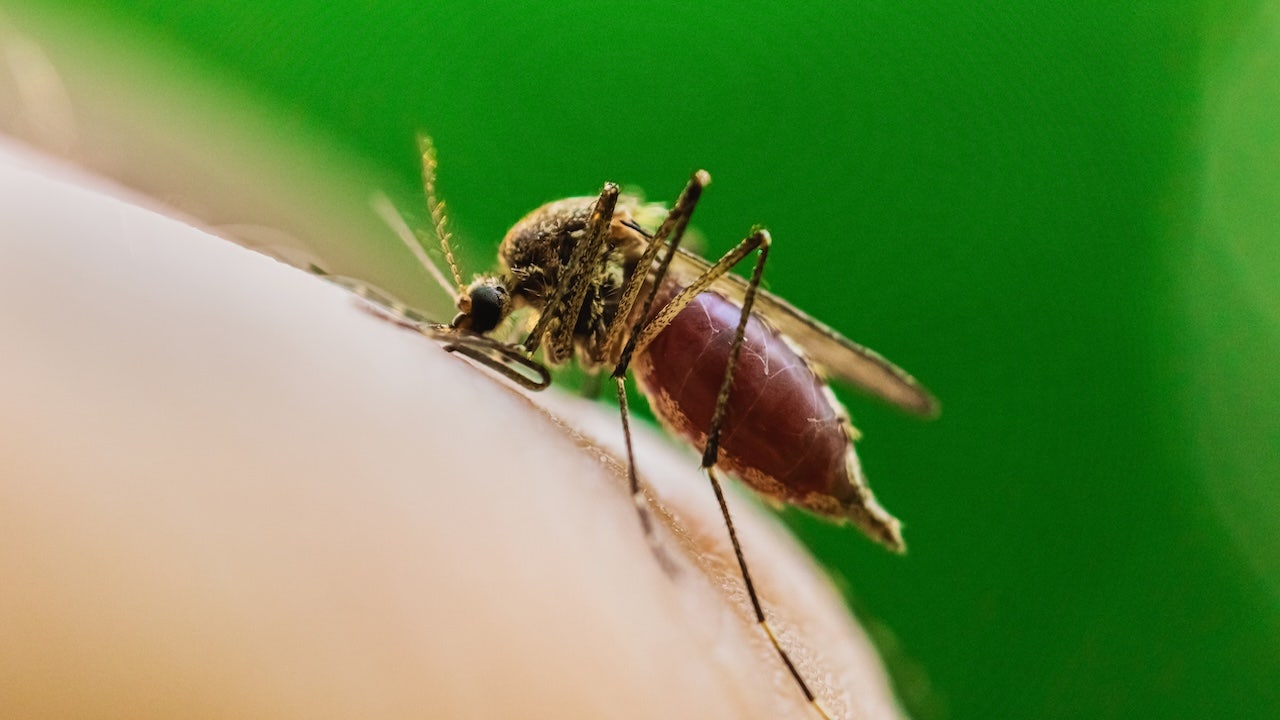
Several other cases have been reported throughout Illinois, indicating a broader regional concern. The virus is most commonly spread through the bite of an infected mosquito, which can pick up the virus from infected birds.
The CDPH has taken action by spraying insecticide in several community areas to reduce mosquito populations. These areas include Beverly, Burnside, Chatham, and others across the city.
For most people, West Nile virus causes mild symptoms or no symptoms at all. However, in rare cases, it can lead to severe neurological complications, including meningitis, encephalitis, paralysis, or death.
Experts warn that people over 50 or those with weakened immune systems are at higher risk. The virus is most active during the summer months, and public health officials are urging caution as the season progresses.
Warnings and Precautions
Health officials are reminding residents to take precautions to avoid mosquito bites. This includes using insect repellent, wearing long-sleeved clothing, and keeping window screens in good condition. Eliminating standing water around homes is also a key step in reducing mosquito breeding.
Dr. Tyler Evans, an infectious diseases doctor, emphasized the importance of avoiding mosquito bites, especially in areas with high mosquito activity. He recommended repellents with at least 30% DEET and advised avoiding outdoor activities during dusk and dawn when mosquitoes are most active.
While there is no vaccine or specific treatment for West Nile virus, supportive care is available for those who develop symptoms. Most people with mild cases do not need to seek emergency care, but those with severe symptoms should seek immediate medical attention.
Public health officials are also monitoring the situation closely. The virus is most commonly reported in August and September, and the number of cases can vary from year to year based on weather and mosquito activity.
Despite the lack of a vaccine, prevention remains the best strategy. Officials are urging residents to stay informed and take the necessary steps to protect themselves and their families.
Public Health Response
The Chicago Department of Public Health has taken a proactive approach to address the spread of West Nile virus. In addition to spraying insecticide in high-risk areas, officials are encouraging residents to take personal precautions to reduce their risk of infection.
Public health campaigns often emphasize the importance of avoiding mosquito bites and eliminating breeding sites. These measures are critical in preventing the spread of the virus, especially in areas with high mosquito populations.
Health officials are also working to educate the public about the symptoms of West Nile virus and when to seek medical attention. While most cases are mild, the potential for severe complications makes awareness and prevention essential.
Community efforts to reduce mosquito breeding sites, such as removing standing water from yards and public spaces, are a key part of the strategy. These actions help to lower the overall mosquito population and reduce the risk of transmission.
As the summer season continues, public health officials are monitoring the situation and adjusting their strategies as needed. The goal is to minimize the impact of West Nile virus on the community and prevent further cases.
Impact on Public Health
West Nile virus has been a recurring public health concern in the United States, with cases reported each year. The virus is most active during the summer months, and the number of cases can vary based on environmental factors such as rainfall and temperature.
This year, the virus has been particularly active in certain regions, including Illinois. The recent death in Chicago has raised awareness about the risks associated with the disease and the importance of preventive measures.
Public health officials are working to educate residents about the virus and the steps they can take to protect themselves. This includes information on mosquito repellent use, clothing choices, and eliminating breeding sites around homes.
Despite the lack of a vaccine, the focus remains on prevention and early detection. Public health campaigns often highlight the importance of recognizing symptoms and seeking medical care when necessary.
The response to West Nile virus reflects the ongoing challenge of managing mosquito-borne diseases. As the climate and environment change, public health strategies must adapt to address new risks and protect communities.
Future Outlook
As the summer season progresses, public health officials will continue to monitor the spread of West Nile virus and adjust their strategies accordingly. The goal is to minimize the impact of the virus on the community and prevent further cases.
Weather patterns, such as increased rainfall, can significantly affect mosquito populations. In Chicago, the rainiest summer in years has created ideal conditions for mosquito breeding, increasing the risk of West Nile virus transmission.
Public health campaigns will likely continue to emphasize the importance of personal protection and community efforts to reduce mosquito breeding sites. These measures are critical in preventing the spread of the virus and protecting public health.
Experts are also monitoring the situation for any changes in the virus’s behavior or transmission patterns. While the current strategies have been effective in the past, new challenges may require updated approaches.
As the season moves into late summer, public health officials will remain vigilant, ensuring that residents are informed and prepared to take the necessary steps to protect themselves from West Nile virus.