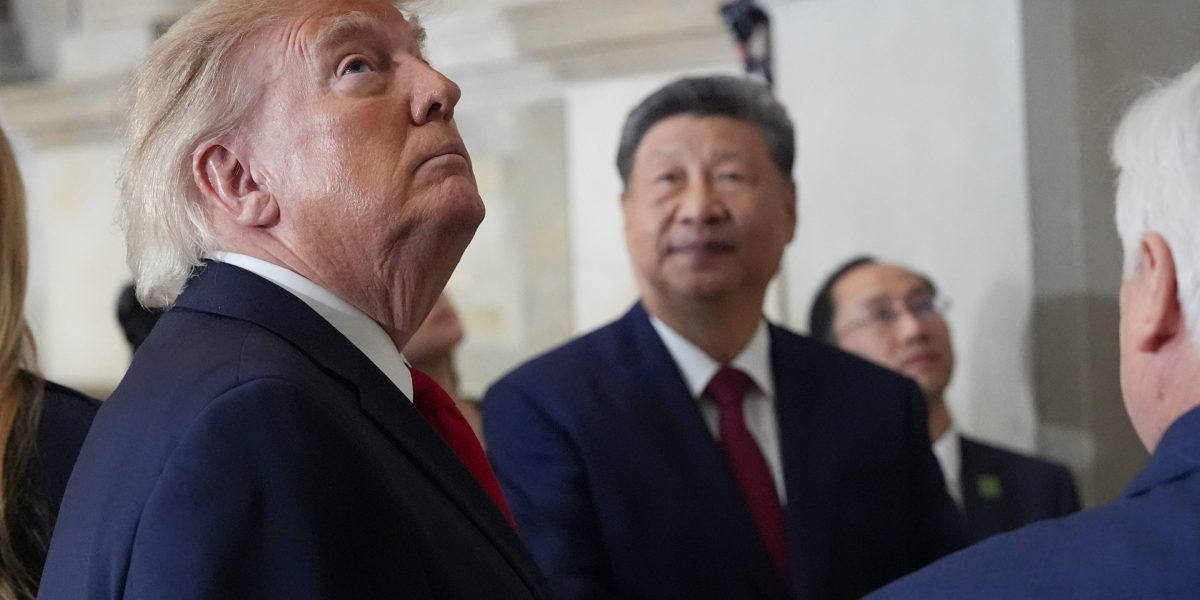
Source: Fortune.com
Summary
China and the U.S. agreed to establish a communication channel for handling AI-related incidents and to accelerate military crisis talks after a three-day summit in Washington, according to statements from both sides. The leaders also agreed to continue work on a trade board for bilateral issues and to reduce tariffs on $30 billion worth of goods. The U.S. welcomed China’s new export controls on fentanyl precursors, and both nations pledged to ensure Iran does not develop nuclear weapons. No major breakthroughs were reported, but experts called the steps toward cooperation significant.
Our Reading
The numbers tell one story.
China and the U.S. set up an AI incident channel and military crisis talks.
They agreed to cut tariffs on $30 billion in goods and extend a trade truce.
Both sides said they would work on rare earths and fentanyl controls.
The deal is more about managing tension than resolving it.
Author: Evan Null
China and the U.S. Agree on AI Incident Channel
China and the U.S. have agreed to set up a communication channel for handling AI-related incidents, as reported by Fortune.com. This follows a three-day summit in Washington, where both sides emphasized the importance of crisis management and cooperation. The agreement is part of broader efforts to prevent conflicts from escalating, especially in areas like artificial intelligence and military relations.
The communication mechanism is intended to address risks and benefits associated with AI, with a specific dialogue scheduled for November. This move comes amid ongoing tensions over trade, tariffs, and strategic competition. Both nations have also agreed to continue working on reducing tariffs on $30 billion worth of goods, with a focus on non-sensitive items like agricultural products and holiday decorations.
Despite the lack of major breakthroughs, analysts noted that the incremental steps taken during the summit were significant. The focus on working-level engagement and military-to-military dialogue suggests an effort to institutionalize stability between the two global powers. This approach aims to build long-term cooperation rather than relying solely on high-level diplomacy.
The agreement also includes a memorandum of understanding on crisis communications and preventing military conflicts. Both sides emphasized the importance of maintaining open lines of communication, especially in areas where tensions could flare up. This includes discussions on rare earths, fentanyl precursors, and broader trade issues.
While the summit did not resolve fundamental differences, the steps taken are seen as a way to manage competition and prevent escalation. The focus on institutional mechanisms reflects a shift toward more structured and predictable interactions between the two nations, even as they continue to compete in various strategic areas.
Trade and Tariff Reductions
The U.S. and China agreed to continue reducing tariffs on $30 billion worth of goods, with a focus on non-sensitive items such as agricultural products and holiday decorations. This agreement is part of an ongoing effort to ease trade tensions and promote economic cooperation. Both sides also extended a trade truce by two months, signaling a temporary pause in the broader trade war that has had global repercussions.
As part of the agreement, China pledged to import at least 10 million metric tons of coal from the U.S. in 2027 and 2028. This move is expected to provide a boost to U.S. coal exports and help balance trade relations. The reduction in tariffs is seen as a step toward stabilizing trade relations, even if it does not address the deeper structural issues between the two economies.
The focus on non-sensitive goods reflects a pragmatic approach to trade, where both nations seek to maintain economic ties without addressing more contentious issues. This strategy allows for continued cooperation while avoiding direct confrontation over sensitive trade matters. It also highlights the importance of managing trade relations in a way that supports both economic growth and strategic stability.
The agreement on tariffs and trade issues is part of a broader effort to build trust and cooperation between the two nations. While it does not resolve all disputes, it provides a framework for ongoing dialogue and collaboration. This approach is seen as essential for maintaining stability in a complex and competitive global economy.
Analysts suggest that the focus on trade and tariff reductions is a key component of the broader strategy to manage relations between the U.S. and China. By addressing specific trade issues, both nations can build momentum for further cooperation and reduce the risk of economic conflict. This pragmatic approach reflects the reality of their intertwined economies and the need for sustained dialogue.
Military and Crisis Communication Agreements
China and the U.S. agreed to establish a communication mechanism for military crisis management, as part of their broader efforts to prevent conflicts from escalating. This agreement includes a memorandum of understanding on strengthening crisis communications and preventing military incidents. Both sides emphasized the importance of maintaining open lines of communication, especially in areas where tensions could flare up.
The agreement comes amid ongoing concerns about military competition and the potential for accidental clashes. By setting up a structured communication channel, both nations aim to reduce the risk of misunderstandings and ensure that any incidents are handled in a controlled manner. This approach is seen as a way to institutionalize stability and prevent escalation in high-stakes situations.
The focus on military-to-military dialogue reflects a shift toward more structured and predictable interactions between the two nations. This includes regular communication and coordination to address potential conflicts before they escalate. The agreement is part of a broader strategy to manage competition and maintain stability in a complex and evolving security environment.
Both sides also emphasized the importance of working-level engagement and institutionalized mechanisms for managing crises. This approach is designed to build long-term cooperation and reduce the risk of conflict. It reflects a recognition that sustained dialogue and coordination are essential for maintaining stability in a competitive global landscape.
The establishment of a military communication channel is a significant step in managing relations between the two nations. It provides a framework for addressing potential conflicts and ensuring that any incidents are handled in a controlled and transparent manner. This agreement is seen as a key component of the broader effort to manage competition and maintain stability.
Focus on Fentanyl and Rare Earths
The U.S. welcomed China’s move to add export controls on two additional fentanyl precursor chemicals, as part of broader efforts to combat the opioid crisis. Both nations noted that law enforcement agencies had made arrests in fentanyl-related cases, indicating a shared commitment to addressing the issue. This cooperation reflects the importance of working together on transnational challenges like drug trafficking and public health.
The agreement on fentanyl precursors is part of a broader effort to strengthen cooperation on security and law enforcement issues. Both sides emphasized the importance of addressing the flow of illicit drugs and ensuring that supply chains are monitored and controlled. This collaboration is seen as essential for protecting public health and reducing the impact of the opioid crisis.
Both nations also continued to work on American concerns about rare earths supply, with the goal of ensuring shipment levels return to appropriate levels. China’s export controls on rare earths last year had disrupted supply chains, leading to tensions between the two countries. The agreement to address these concerns reflects a recognition of the importance of stable supply chains for both economies.
The focus on rare earths and fentanyl reflects the broader need for cooperation on critical materials and security issues. Both nations recognize that these areas are essential for economic stability and public safety. The agreement to address these concerns is seen as a step toward building trust and strengthening bilateral relations.
The collaboration on fentanyl and rare earths highlights the importance of addressing shared challenges through structured dialogue and cooperation. This approach allows both nations to work together on issues that affect their economies and societies, even as they continue to compete in other areas. It reflects a pragmatic approach to managing relations and addressing common concerns.
Future Meetings and Regional Cooperation
Both China and the U.S. agreed to meet at the Asia-Pacific Economic Cooperation summit in Shenzhen, China, in November, and later at the G20 at the Trump National Doral Miami golf club in Florida. These meetings provide opportunities for continued dialogue and cooperation on economic and strategic issues. The choice of venues reflects the importance of regional and global engagement in shaping the future of their relationship.
The decision to hold these meetings highlights the importance of multilateral engagement in managing the relationship between the two nations. By participating in regional and global forums, both sides can address shared challenges and promote cooperation on a broader scale. This approach allows for a more structured and predictable interaction between the two powers.
The focus on multilateral engagement also reflects the need for coordination on issues that affect the global economy and security. Both nations recognize that their relationship has far-reaching implications, and they seek to manage it in a way that promotes stability and cooperation. This includes working together on issues like trade, security, and environmental concerns.
The choice of venues for these meetings underscores the importance of regional and global cooperation in shaping the future of the U.S.-China relationship. By engaging in these forums, both nations can address common challenges and promote a more stable and predictable relationship. This approach is seen as essential for managing competition and fostering cooperation in a complex global environment.
The continued emphasis on multilateral engagement reflects a recognition of the importance of structured dialogue and cooperation. By participating in regional and global forums, both nations can work together on shared challenges and promote a more stable and predictable relationship. This approach is seen as essential for managing the complexities of their relationship and ensuring long-term stability.