Source: Fortune.com
Summary
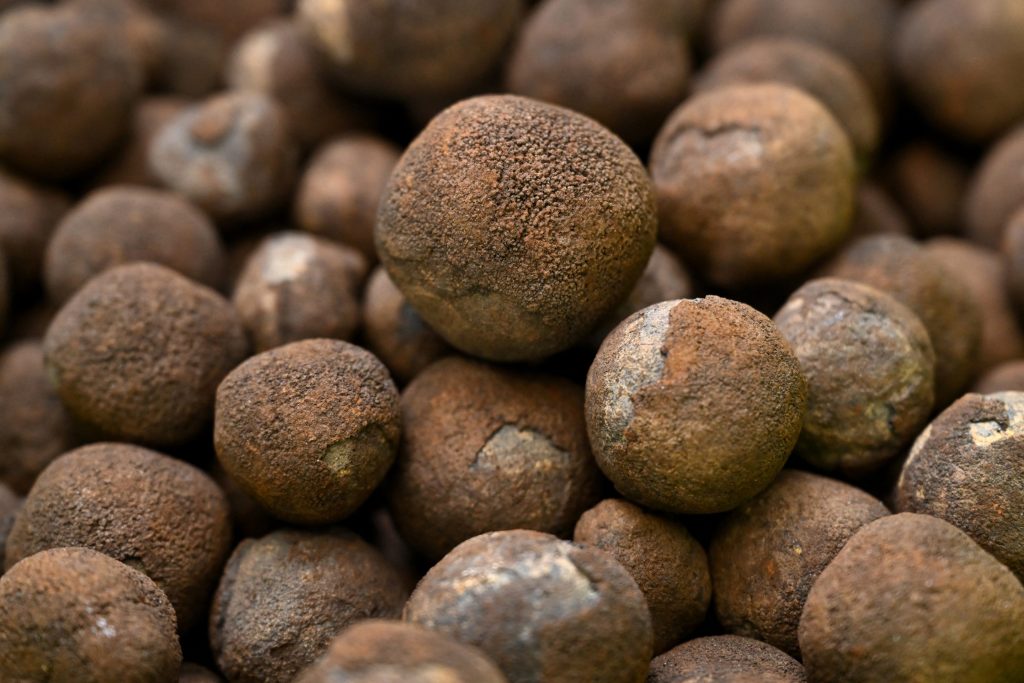
The US is facing a critical minerals shortage, with China dominating the refining of 19 out of 20 strategic minerals. To reduce dependence on China, the US is exploring deep-sea mining, with companies like American Ocean Minerals planning to extract polymetallic nodules from the ocean floor. The Cook Islands EEZ is believed to hold 6.7 billion metric tons of PMNs, including 20 million metric tons of cobalt. However, environmental, governance, and scientific concerns are being raised, and a growing coalition of countries is backing a moratorium on deep-sea mining.
Our Reading
The numbers tell one story.
American Ocean Minerals is betting big on deep-sea mining, with a $1 billion merger and a license to research in the Cook Islands EEZ. The company’s CEO, Tom Albanese, claims the EEZ holds a vast bounty of PMNs. The US is racing to reduce its dependence on China for critical minerals, but the environmental and social implications of deep-sea mining are still unknown.
The announcement sounds familiar.
Proponents argue that deep-sea mining may be less damaging than land mining, but the lack of regulation and scientific understanding is a concern. The International Seabed Authority has yet to approve any company to extract PMNs commercially, and a growing coalition of countries is backing a moratorium.
The strategy enters a familiar phase.
As the US explores new sources of critical minerals, it’s likely to face opposition from environmental groups and countries concerned about the impact of deep-sea mining. The outcome is uncertain, but one thing is clear: the US is willing to take risks to reduce its dependence on China.
Original observation: The US is trading one risk for another.
Author: Evan Null