
College Football Rivalries and Their Pranks
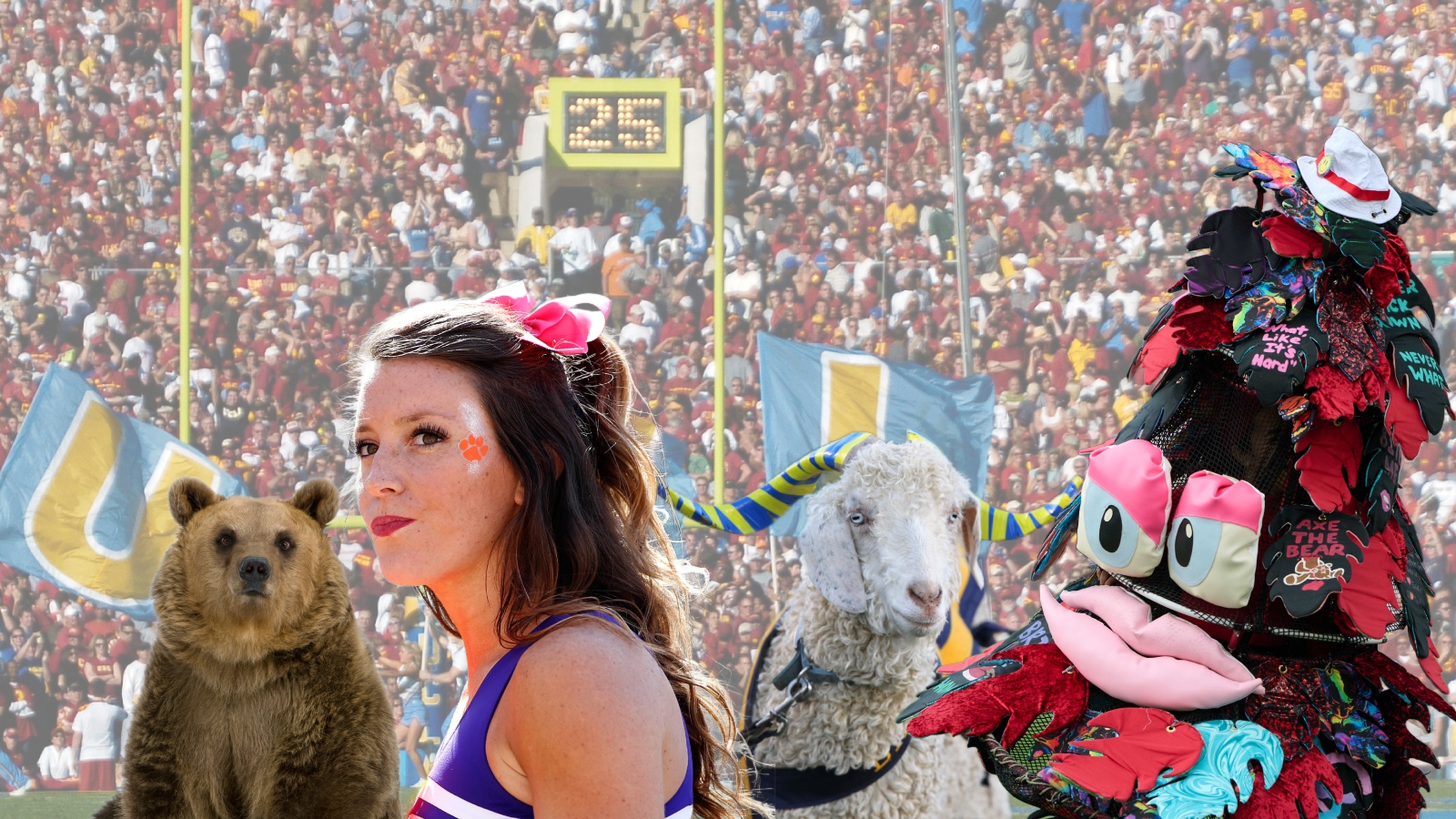
Source: BroBible
Summary
BroBible highlights 18 notable pranks from college football rivalries, including failed attempts and successful ones. Examples include Rutgers stealing the wrong cannon, Baylor Bear shreds Aggies, and Army stealing Navy’s goat. The article details pranks ranging from mascot theft to symbolic acts of disrespect. Some pranks led to legal consequences, while others became legendary. The piece emphasizes the cultural impact of these rivalries beyond the field.
Our Reading
The routine arrives with confidence.
Students steal cannons, mascots, and even goalposts. They dress up in uniforms and pretend to be opponents. They paint statues and plant fake news. They turn rivalries into performances. The best pranks are the ones that get the most laughs and the most headlines.
Old traditions get new names. New pranks get old reputations. The same jokes keep getting told, just with different mascots and different schools. The same people keep pulling the same stunts, just with different excuses.
It’s not about winning. It’s about making sure the other side feels the pain. It’s about showing up and making a mess. It’s about proving that you care more than they do.
College football rivalries are just high school drama with more equipment and more fans.
Author: Evan Null
College Football Rivalries and Their Pranks
College football rivalries are known for their intense on-field competition, but off-field pranks add an extra layer of drama. These pranks range from stealing mascots to defacing statues, and they often become part of the tradition. The article highlights some of the most famous pranks, including the infamous cannon thefts and mascot kidnappings.
Some pranks are successful, while others end in failure. For example, Rutgers once stole the wrong cannon, and Texas A&M once tried to steal a bear, only for it to destroy their car. These stories show that even the most elaborate plans can go wrong.
Other pranks are more symbolic, like the time a group of students tried to convince Arizona to join Mexico. These pranks are less about physical damage and more about making a statement. They reflect the deep-seated rivalries and the lengths fans will go to prove their team is better.
The article also mentions pranks that had legal consequences. For instance, when Texas students stole the Aggies’ mascot, they faced charges. Despite this, the tradition of pranks continues, showing that the spirit of rivalry is stronger than any legal repercussions.
These pranks are not just about fun; they are about pride, tradition, and proving that your school is the best. Whether it’s a successful heist or a failed attempt, these stories become part of the rich history of college football.
Notable Pranks and Their Outcomes
One of the most famous pranks involved the Army stealing the Navy’s goat, a tradition that dates back to 1953. However, the Navy retaliated by stealing the Army’s mule, leading to a ban on mascot theft by the Pentagon. This back-and-forth shows how these pranks can escalate and become part of the rivalry’s history.
Another notable prank was when California students hacked into Stanford’s sound system and announced a penalty, claiming Stanford “sucks.” This prank, while simple, had a significant impact and became a memorable moment in the rivalry.
The article also mentions the time when MIT students planted a balloon with “MIT” on it during a Harvard-Yale game. This prank was clever and unexpected, highlighting the creativity of students in their attempts to disrupt the opposing team’s game.
Some pranks are more about humor than harm. For example, the time when Yale students handed out signs that read “Go Harvard” only to flip them over and reveal “We Suck.” These pranks are lighthearted but still show the intensity of the rivalry.
These pranks, whether successful or not, contribute to the culture of college football. They are part of what makes the sport unique and memorable for fans and players alike.
Pranks That Went Wrong
Not all pranks are successful. For instance, Rutgers once tried to steal a cannon from Princeton but ended up taking the wrong one. This mistake led to a failed mission and a humorous moment in the history of the rivalry. Similarly, Texas A&M fans once tried to steal a bear, only for it to destroy their car during the trip.
Another failed prank involved Iowa fans who tore out goalposts after a win, only to be unable to transport them out of the stadium. Despite their efforts, they were forced to abandon the goalposts, leaving them partially on the field. This shows that even the most well-intentioned pranks can go awry.
The article also mentions a prank where UCLA students tried to dump manure from a helicopter onto a USC campus, but the manure ended up covering the UCLA students instead. This unexpected outcome turned a planned prank into a comedic disaster.
These failed pranks highlight the unpredictable nature of such stunts. Even with careful planning, things can go wrong, leading to embarrassment or unintended consequences. However, these stories are often remembered as part of the rivalry’s history.
Despite the failures, the spirit of rivalry remains strong, and fans continue to find creative ways to show their support and mock their opponents.
Pranks That Became Legends
Some pranks have become legendary and are still talked about today. One such example is the time when South Carolina students dressed in Clemson uniforms and tricked the fans into thinking they were the real team. This prank was so convincing that it led to a 21-14 win for South Carolina. It remains one of the most famous pranks in college football history.
Another legendary prank involved the Stanford Tree, which was held hostage by Cal students for two weeks. The prank was so elaborate that it led to media coverage and became a memorable moment in the rivalry. The Stanford administration even shredded the costume at halftime due to “contamination.”
The article also highlights the time when Tulane students stole LSU’s mascot, Mike the Tiger, leading to a 50-year ban for the offenders. This prank was so impactful that it became part of the history of both schools. Despite the consequences, the prank remains a symbol of the intense rivalry between the two teams.
These pranks, whether successful or not, have become part of the rich history of college football. They are remembered for their creativity, impact, and the entertainment they provided to fans and players alike.
These stories show that college football rivalries are not just about the game but also about the traditions, pranks, and the spirit of competition that define them.
The Cultural Impact of College Football Pranks
College football pranks are more than just jokes; they are a reflection of the deep-seated rivalries between schools. These pranks often become part of the cultural identity of the schools and their fans. They are passed down through generations and become part of the tradition that defines the sport.
The article shows how these pranks can have lasting effects on the schools involved. For example, the ban on mascot theft by the Pentagon after the Army and Navy incidents shows how these pranks can lead to institutional changes. It also highlights the importance of tradition and the lengths to which fans will go to prove their team’s superiority.
Some pranks, like the one involving MIT and Harvard-Yale, demonstrate the creativity and intelligence of students. These pranks are not just about physical damage but also about intellectual challenges and clever tricks. They show that rivalry can take many forms, from physical stunts to intellectual games.
These pranks also have a social impact, bringing fans together and creating a sense of community. They are a way for fans to express their pride and loyalty to their schools. Whether it’s a successful prank or a failed attempt, these moments become part of the shared experience of college football.
The cultural impact of these pranks is undeniable. They are a unique aspect of college football that adds to the excitement and drama of the sport. They are part of what makes college football so special and memorable for fans and players alike.
