Source: Fortune
Summary
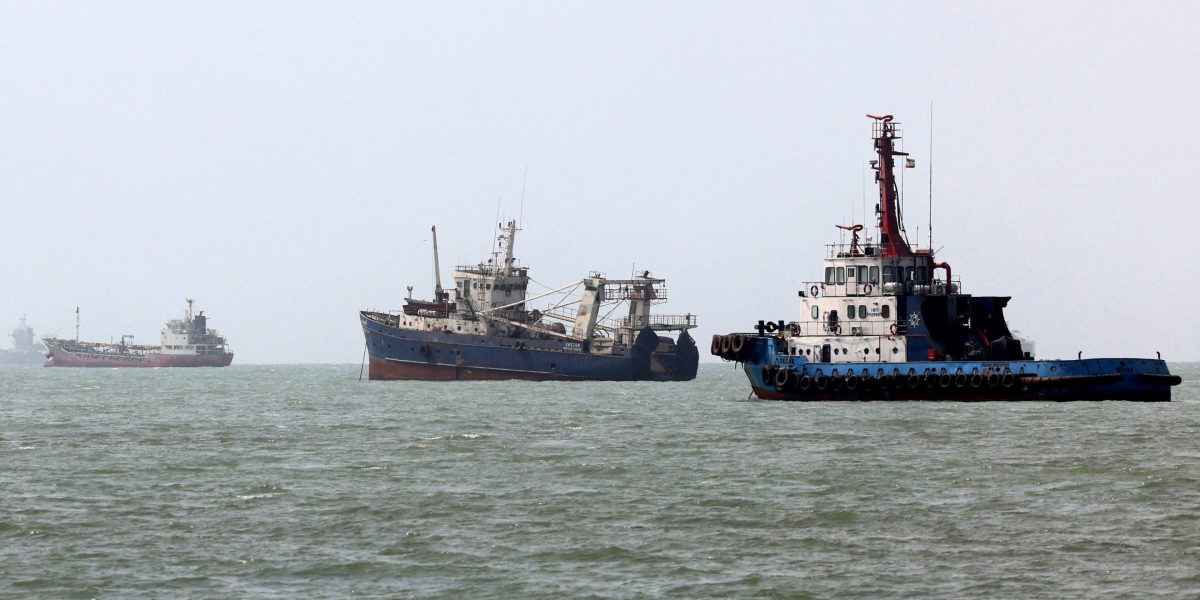
Middle Eastern oil producers are maintaining a steady flow of crude through the Persian Gulf, despite the ongoing Iran war, to keep energy prices in check. The “dark shuttle” trade, where oil is transported through the Strait of Hormuz undetected and then transferred to tankers in the Gulf of Oman, is running at full capacity. The volumes are higher than market estimates, with around 150 ships, including giant oil tankers, waiting off the coast of Oman for cargo transfers. The UAE’s state oil giant Abu Dhabi National Oil Co. has sold around 135 million barrels of crude to global buyers, and there are signs of increased activity from Saudi Arabia’s ports.
Our Reading
The numbers tell one story. Middle Eastern oil producers are doing what it takes to keep the oil flowing, even if it means operating in the shadows. The “dark shuttle” trade is a reminder that the cost of keeping energy prices low comes with risks, including attacks on vessels and oil spills. The fact that 23 of Adnoc’s vessels have been attacked while transiting Hormuz, resulting in one fatality and 20 injuries, underscores the challenges of exporting oil in a war zone. Meanwhile, Saudi Arabia is showing tentative signs of increasing its shipments, with two ships seen loading at its Ras Tanura export hub and 16 supertankers positioned off Oman’s coast. The situation is far from normal, but the oil keeps flowing.
Author: Evan Null