Source: BroBible
Summary
Texas football players faced criticism for excessive touchdown celebrations during a win over Tennessee. Colin Simmons was penalized for unsportsmanlike conduct after a sack, and Raleek Brown was flagged for a celebratory gesture. Steve Sarkisian addressed the behavior, blaming societal influences. A separate incident involving Josh Hoover’s touchdown celebration was condemned by Indiana coach Curt Cignetti.
Our Reading
The habit gets a new name.
Players celebrate like they’re on TikTok.
Coaches blame the world for their mistakes.
Some leaders actually take responsibility.
It’s not about the game — it’s about the algorithm.
Author: Evan Null
Obscene Celebrations and Coach Blame
Texas football players made headlines for their obscene celebrations during a win over Tennessee. Colin Simmons was penalized for unsportsmanlike conduct after a sack, and Raleek Brown was flagged for a celebratory gesture. The incidents drew criticism from fans and media.
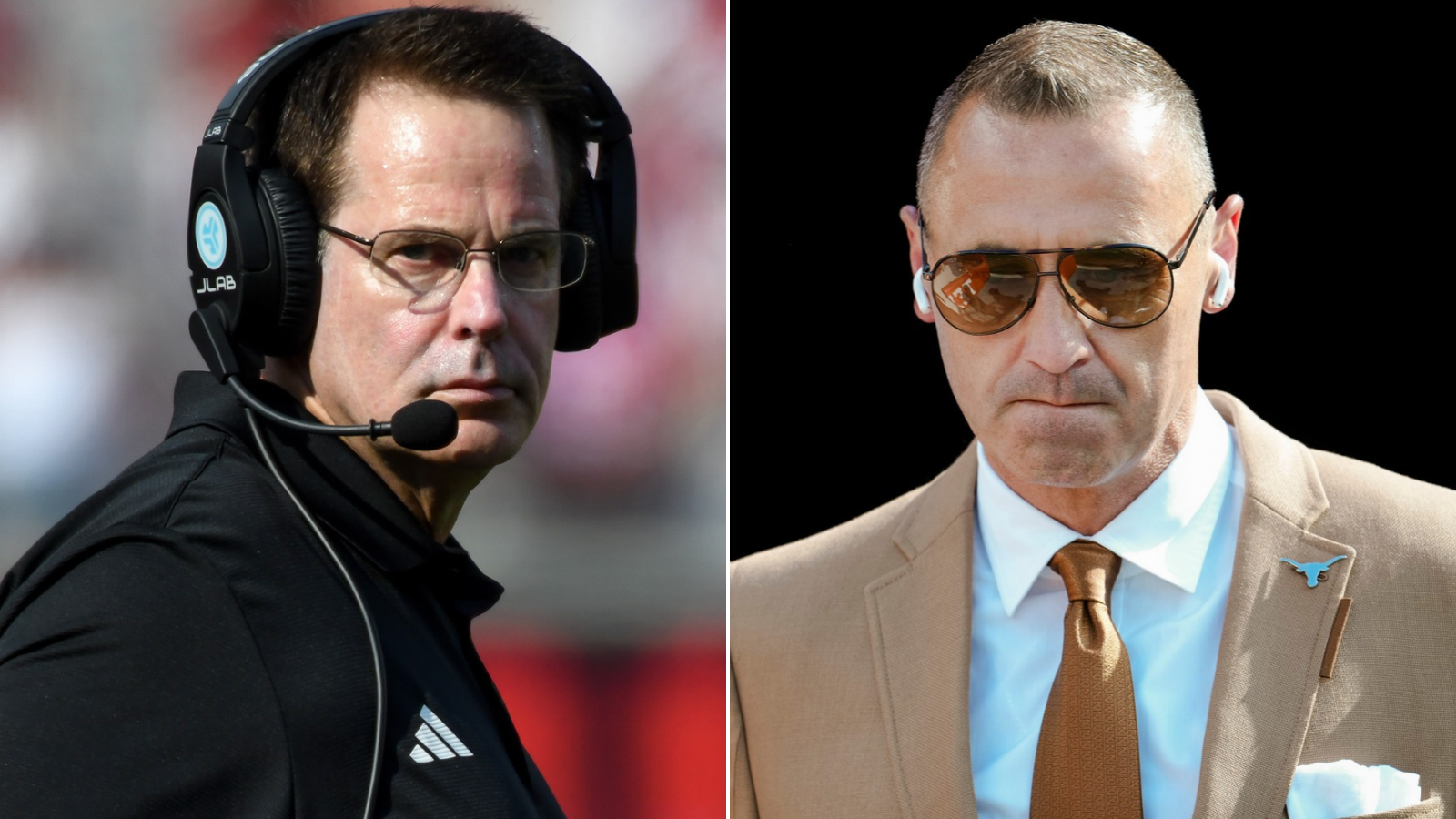
Steve Sarkisian, the head coach, addressed the behavior in a postgame press conference, calling the antics “unacceptable.” He also blamed society and social media for the distractions, which some saw as an excuse.
Raleek Brown admitted his touchdown celebration was inspired by TikTok. After scoring on a fourth-quarter handoff, he grabbed his crotch, sniffed his hand, and fainted in the end zone. The move drew mixed reactions from fans and analysts.
Colin Simmons’ celebration came earlier in the game. After sacking Tennessee quarterback Brandon Faizon, he pretended to unzip his pants and urinate on the field. The act was penalized, giving the Vols a fresh set of downs.
Sarkisian addressed Simmons’ penalty after the game, taking him out of the game briefly but not suspending him. He argued the mistake wasn’t severe enough for a suspension.
Contrast with Curt Cignetti
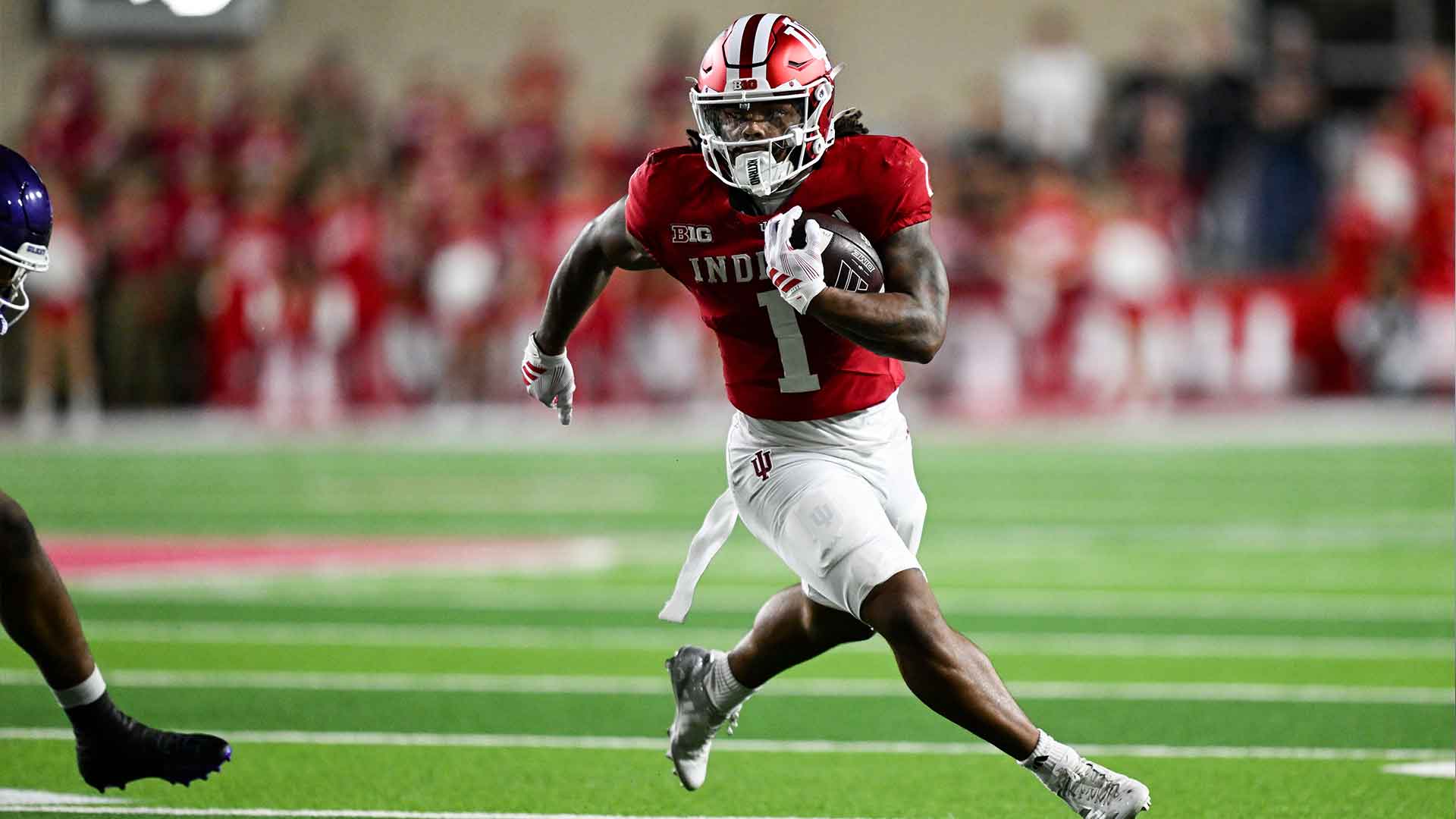
Curt Cignetti, the Indiana head coach, offered a stark contrast to Sarkisian’s response. After Josh Hoover scored a touchdown, he pointed toward the sky, which Cignetti condemned as inappropriate.
Cignetti did not deflect blame onto social media or the internet. Instead, he expressed disappointment in his player and denounced the act. His response was seen as more direct and responsible compared to Sarkisian’s.
Indiana won the national championship last year behind strong leadership, including quarterback Fernando Mendoza. Texas, on the other hand, is struggling to balance star power with discipline.
The contrast between the two coaches highlights the importance of leadership in college football. While Sarkisian deflects blame, Cignetti takes responsibility for his players’ actions.
As Texas continues to rise in the rankings, the question remains: will they learn from their mistakes, or will they continue to prioritize individual attention over team success?
Steve Sarkisian’s Response
Steve Sarkisian’s response to the Texas football celebrations received mixed reviews. He condemned the behavior in the postgame press conference, calling the antics “unacceptable.” However, his comments about society and social media were seen by some as an excuse.
He argued that the world is a “look-at-me society” where people crave attention and clicks. This perspective was met with criticism, as many felt it shifted blame away from the players and the coaching staff.
Sarkisian also addressed Colin Simmons’ penalty, taking him out of the game briefly but not suspending him. He believed the mistake wasn’t severe enough for a suspension, but critics argued that the behavior still needed to be addressed.
The head coach’s handling of the situation raised questions about his leadership. While he acknowledged the problem, his response lacked the clarity and accountability seen from other coaches.
As Texas continues to climb the rankings, the pressure on Sarkisian to fix the team’s discipline will only increase. Whether he can do so remains to be seen.
College Football and the Influence of Social Media
The incidents involving Texas football players highlight the growing influence of social media on college athletes. With platforms like TikTok shaping behavior, players are increasingly seeking attention and recognition.
Raleek Brown’s celebration, which was inspired by TikTok, is a prime example of how social media trends can affect on-field behavior. The move, while controversial, reflects the broader culture of seeking viral moments.
Steve Sarkisian’s comments about the “look-at-me society” underscore the challenges coaches face in managing player behavior. The pressure to be seen and heard can sometimes overshadow the focus on the game itself.
However, not all coaches are equally affected by these trends. Curt Cignetti’s response to Josh Hoover’s touchdown celebration showed a more traditional approach to leadership and discipline.
As college football continues to evolve, the balance between individual expression and team focus will remain a key issue. Coaches must navigate this landscape carefully to maintain both success and respect.
Leadership and Team Culture
The behavior of Texas football players raises important questions about leadership and team culture. With a $50 million roster, the Longhorns are expected to set a high standard both on and off the field.
However, the recent celebrations suggest a lack of discipline and focus. Instead of playing for the team, some players seem to be playing for personal recognition. This mindset can be detrimental to long-term success.
Steve Sarkisian’s response to the incidents has been criticized for not being strong enough. While he condemned the behavior, he also shifted blame onto society and social media, which some see as an excuse.
In contrast, Curt Cignetti’s approach was more direct. He expressed disappointment in his player and took responsibility for the situation. This kind of leadership is crucial for maintaining a strong team culture.
As Texas continues to climb the rankings, the question remains: will the team learn from its mistakes, or will it continue to prioritize individual attention over team success? The answer will determine whether they can achieve true greatness.