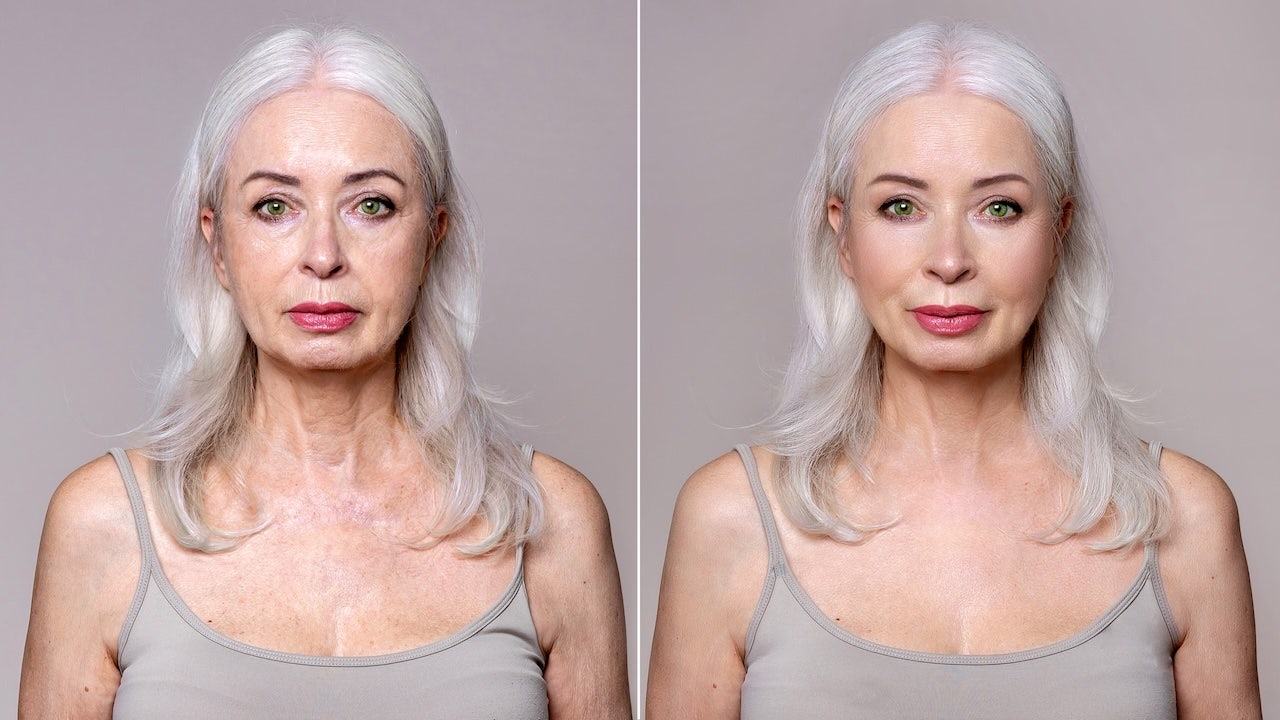
Source: Fox News
Summary
A recent study published in the journal Aging found that a simple lifestyle adjustment, including a diet change and easy exercise regimen, may slow down the body’s biological aging process. The study involved 48 overweight Japanese men aged 50-74 who followed a 12-week wellness routine, including consuming 100 grams of plain yogurt daily, dietary counseling, and walking or using a stepper machine for 30 minutes a day. The results showed a statistically significant reduction in the pace of aging, with an average decrease of 2.2% in the intervention group.
Our Reading
The advice sounds familiar.
This study’s findings echo previous research on the benefits of diet and exercise on aging. The use of probiotic yogurt, in particular, has been studied for its potential anti-aging effects. The study’s small sample size and short duration are notable limitations. The researchers’ conclusion that the slowed aging rate is the result of a combined effect of diet, exercise, and probiotics is a reminder that a multifaceted approach may be key to achieving long-term health benefits.
One notable aspect of this study is the use of the DunedinPACE measurement tool, which calculates the precise rate of biological aging. This tool has been used in previous studies, and its application here highlights the ongoing effort to develop more accurate measures of aging.
The study’s results also raise questions about the potential for long-term health benefits from short-term lifestyle changes. While the study’s findings are promising, more research is needed to determine whether these benefits can be sustained over time.
As we continue to explore the complex relationships between diet, exercise, and aging, it’s clear that a comprehensive approach is necessary for achieving optimal health outcomes.
It’s also worth noting that this study’s focus on overweight men in Japan raises questions about the generalizability of the findings to other populations.
Author: Evan Null