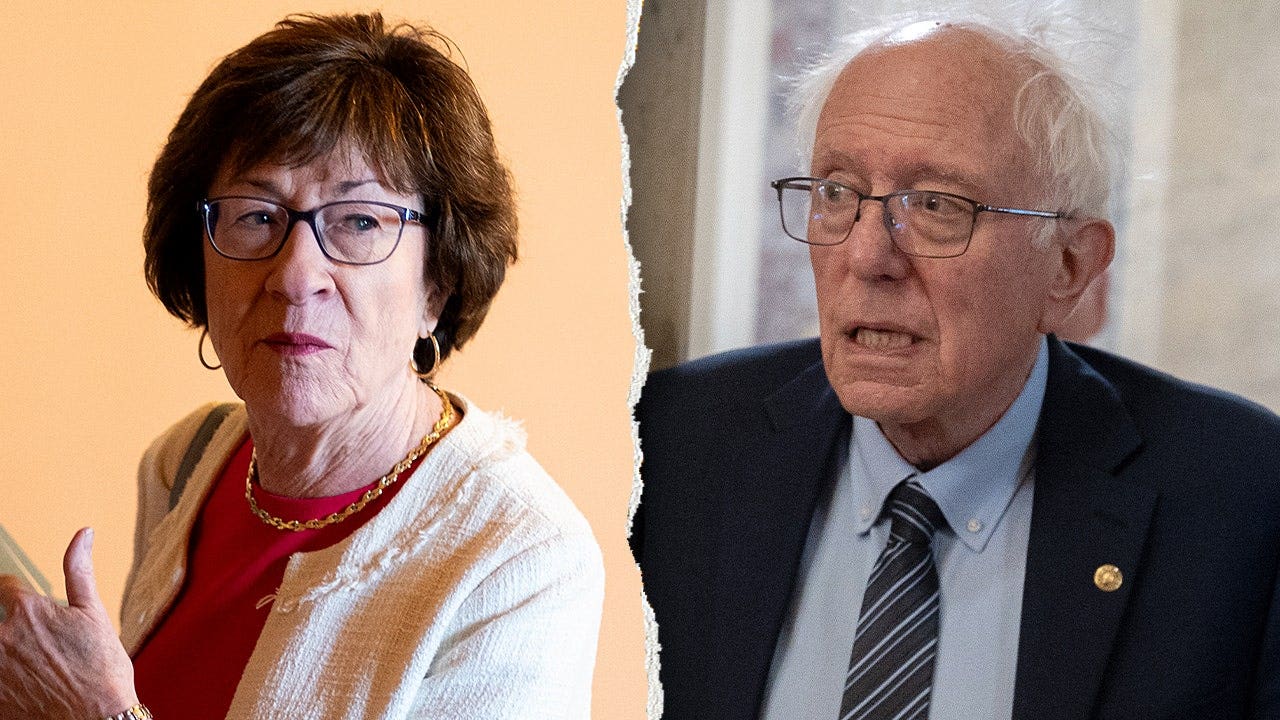
Source: Fox News
Summary
Democratic lawmakers are pushing for stricter regulations on data centers, citing concerns over water use, electricity costs, and community impact. Republican lawmakers, including President Donald Trump, argue that data centers can boost the economy and help the U.S. stay competitive in AI. Rep. Yassamin Ansari called Trump’s support for data centers “out of touch,” while Rep. Ro Khanna proposed a bill to limit data center proximity to residential areas. Some Republicans, like Rep. Nancy Mace, support AI investment but oppose data centers in residential zones. Others, like Rep. Rich McCormick, highlight the economic benefits of data centers. The debate reflects growing tensions over how to balance technological growth with local concerns.
Our Reading
As expected, the matter has reached another stage.
Democrats demand pauses, Republicans push for growth.
Trump speaks, lawmakers respond.
Some call for limits, others for freedom.
Communities are caught in the middle of a familiar tug-of-war.
Author: Evan Null
Democrats Call for Data Center Restrictions
Democratic lawmakers are pushing for tighter regulations on data centers, citing concerns over water use, electricity costs, and community impact. Rep. Yassamin Ansari, D-Ariz., called for a pause in data center expansion until the long-term effects are fully assessed. She criticized President Trump’s support for data centers as “out of touch” with what most Americans want.
Rep. Ro Khanna, D-Calif., proposed a bill to ban data centers near homes, schools, and hospitals. He dismissed Trump’s warnings that communities opposing data centers would fall behind. Rep. Jonathan Jackson, D-Ill., also emphasized the need to prioritize fairness for local communities.
Rep. Haley Stevens, D-Mich., argued that higher electricity bills should not fall on average ratepayers as data centers expand. She said data centers could play a role in keeping utility costs low. However, some Republicans, like Rep. Nancy Mace, R-S.C., support AI investment but oppose data centers in residential areas.
Rep. Rich McCormick, R-Ga., praised data centers for their economic benefits, including tax revenue and infrastructure improvements. He encouraged communities to fight over them, saying those who don’t want them are “missing out.” Rep. Ralph Norman, R-S.C., argued that decisions about data centers should be left to states and local communities.
The debate highlights growing divisions over where data centers belong in local communities. As several states raise concerns over electricity costs, water use, and development, the political battle over data centers continues to unfold.
Republicans Split on Data Center Expansion
Republican lawmakers are divided on the issue of data centers. Some, like Rep. Nancy Mace, R-S.C., support AI investment and see data centers as part of the solution to staying ahead of China. However, she opposes placing them in residential neighborhoods. Others, like Rep. Rich McCormick, R-Ga., highlight the economic benefits of data centers, including tax revenue and infrastructure improvements.
Rep. Ralph Norman, R-S.C., argued that decisions about data centers should be left to states and local communities. He emphasized the importance of state rights and local control. This stance reflects a broader debate over who should have the final say on where data centers are built.
While some Republicans support data centers for their economic potential, others stress the need for local control and community input. This split shows that even within the party, there is no clear consensus on how to balance technological growth with local concerns.
The debate over data centers is not just about technology—it’s about power, responsibility, and who gets to decide what happens in local communities. As the issue continues to evolve, the political landscape around data centers remains fluid and complex.
Trump’s Data Center Stance Sparks Debate
President Donald Trump has been a vocal supporter of data centers, warning that communities blocking them would “end up being backwards and poor.” His comments have drawn criticism from Democrats, who argue that his stance is out of touch with local concerns. Rep. Yassamin Ansari, D-Ariz., called Trump’s support for data centers “out of touch,” saying it runs counter to what the “vast majority” of Americans want.
Trump’s position has also sparked a broader debate about the role of data centers in the U.S. While some lawmakers see them as essential for economic growth and AI competitiveness, others worry about their impact on communities. The divide between those who see data centers as a boon and those who see them as a burden is growing.
Rep. Ro Khanna, D-Calif., dismissed Trump’s warnings as an attempt to distract from his failures. He argued that the focus should be on protecting communities, not on political rhetoric. Meanwhile, Rep. Rich McCormick, R-Ga., praised data centers for their economic benefits, saying they should be fought over by communities.
The political battle over data centers reflects deeper tensions about how to balance technological progress with local needs. As the debate continues, the role of data centers in the U.S. remains a contentious issue.
Local Concerns and National Implications
As data centers expand, local communities are increasingly concerned about their impact on water use, electricity costs, and quality of life. Rep. Yassamin Ansari, D-Ariz., called for a pause in data center expansion until the long-term effects are fully assessed. She argued that communities should not bear the burden of rising utility bills and environmental costs.
Rep. Haley Stevens, D-Mich., echoed these concerns, saying that higher electricity bills should not fall on average ratepayers. She suggested that data centers could play a role in keeping utility costs low, but only if managed properly. These concerns are not limited to one party—Republicans like Rep. Nancy Mace, R-S.C., also acknowledge the need to balance AI investment with local concerns.
The debate over data centers is not just a local issue—it has national implications. As the U.S. seeks to stay competitive in AI, the role of data centers in the economy and energy landscape is becoming more important. However, the question remains: who gets to decide how they are built and where?
With both parties divided and local communities caught in the middle, the future of data centers in the U.S. remains uncertain. The debate continues to unfold, with no clear resolution in sight.
Data Centers and the Future of American Politics
The debate over data centers is shaping up as a key issue in American politics. As the U.S. races to stay ahead in the AI race, the role of data centers in the economy and energy landscape is becoming more important. However, the question of how to balance technological progress with local concerns remains unresolved.
Democrats are pushing for stricter regulations, while Republicans are divided on the issue. Some see data centers as essential for economic growth, while others stress the need for local control and community input. This split reflects a broader tension between national ambitions and local priorities.
As the debate continues, the political landscape around data centers is becoming more complex. With both parties divided and local communities caught in the middle, the future of data centers in the U.S. remains uncertain. The question of who gets to decide how they are built and where is becoming increasingly central to the national conversation.
The role of data centers in the U.S. is not just about technology—it’s about power, responsibility, and who gets to shape the future. As the debate unfolds, the political implications of data centers are becoming more clear.