David Cote Fired by GE Became Honeywell CEO
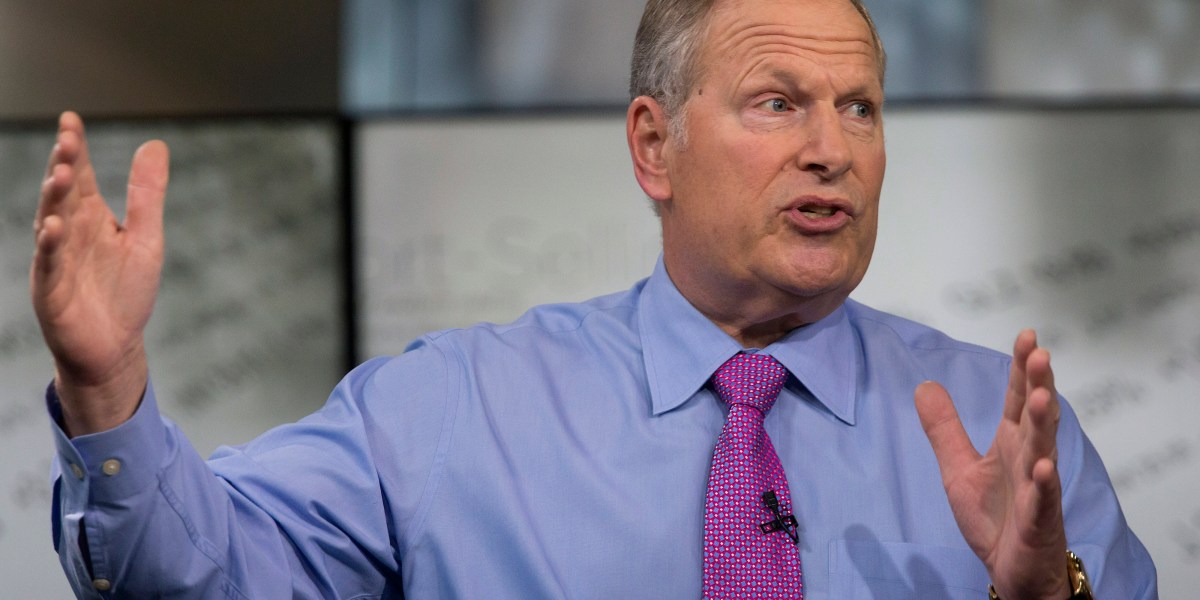
Source: Fortune
Summary
David Cote, former CEO of Honeywell, has returned to a leadership role at Vertiv, a cooling company he helped transform. After a 15-year tenure at Honeywell, he retired in 2018 but reemerged as executive chairman of Vertiv. The company’s market cap grew significantly after going public. Cote faced setbacks earlier in his career, including being pushed out of GE by Jack Welch. At Vertiv, he navigated challenges, including a stock decline and pricing issues, before stabilizing the company. His career shows resilience through adversity.
Our Reading
The numbers tell one story.
Cote left GE under unclear circumstances.
He led Honeywell to outperform the S&P 500.
Vertiv’s stock dropped 55% before recovery.
Setbacks can be temporary, not definitive.
Author: Evan Null
David Cote’s Career Path
David Cote began his career at GE, working the night shift at an aircraft engine plant in New Hampshire. He eventually rose to lead the appliance business at GE. In 1999, then-CEO Jack Welch told him he had to leave the company by year-end, without explaining why. Cote never received a clear reason for his dismissal, leaving him to question his future at GE.
Despite this setback, Cote went on to become CEO of Honeywell in 2002. He led the company for 15 years, delivering exceptional returns to shareholders. His success at Honeywell made him one of the most respected executives in corporate America. After retiring in 2018, he was not content to stay out of the spotlight.
Cote re-entered the business world by partnering with Goldman Sachs to find a company to acquire. After evaluating over 1,000 options, he chose Vertiv, a cooling company that was new to him. The decision proved to be a strategic move, though it was not without its challenges.
Vertiv’s stock surged after going public, but the company faced significant difficulties, including a 55% drop in value by early 2023. Cote took a more active role in management, and the company made key investments in cooling technology and acquisitions to stay competitive.
Cote’s career shows that setbacks can be temporary. His experience at GE and Vertiv highlights how adversity can shape a leader’s path. His return to a leadership role at Vertiv demonstrates that even after being pushed out of a major company, a second act is still possible.
From GE to Honeywell to Vertiv
Cote’s career began at GE, where he worked his way up from a night-shift worker to a high-ranking executive. However, his time at GE ended abruptly when Jack Welch, then CEO, told him to leave without explanation. This event marked a turning point in his career, but it did not define his future.
After being let go from GE, Cote joined Honeywell, where he spent 15 years as CEO. During his tenure, he transformed the company into a top-performing industrial giant. His leadership at Honeywell earned him widespread recognition and a reputation as one of the most effective CEOs of his generation.
Following his retirement from Honeywell in 2018, Cote did not stay away from the corporate world for long. He partnered with Goldman Sachs to search for a new opportunity, eventually choosing to lead Vertiv. The decision was a bold one, as Vertiv was a company with a long history but no clear path to growth.
Vertiv’s journey under Cote’s leadership was not smooth. The company faced a significant stock decline and operational challenges. However, Cote remained involved, helping to steer the company through its difficulties and positioning it for future success.
Cote’s career is a testament to resilience. From being pushed out of GE to leading Honeywell to success, and then taking on a new challenge at Vertiv, he has shown that setbacks can be overcome with determination and strategic thinking.
Vertiv’s Rise and Challenges
Vertiv, an 80-year-old cooling company, saw a dramatic increase in market value after going public. Its market cap grew from under $11 billion to $109 billion, making it a major player in the industry. Cote’s involvement as executive chairman played a key role in this transformation.
However, the company’s growth was not without its obstacles. Shortly after its NYSE debut, the COVID-19 pandemic hit, disrupting global markets. Vertiv also faced internal challenges, including underpricing its equipment by 20% to 30%, which led to a sharp decline in profits.
By early 2023, Vertiv’s stock had fallen by about 55% from its peak. The company struggled to adjust to the changing market conditions. In response, Cote became more involved in day-to-day operations, and the board brought in a new CEO to help stabilize the business.
Despite these challenges, Vertiv continued to invest in new technologies, including direct-to-chip liquid cooling. The company also acquired CoolTera, a cooling startup, to strengthen its position in the market. These moves were aimed at capitalizing on the growing demand for data center cooling solutions.
Vertiv’s journey under Cote’s leadership shows how even a struggling company can turn around with the right strategy and leadership. The company’s recovery highlights the importance of adaptability and long-term vision in the face of adversity.
The Role of Resilience in Leadership
Cote’s career is a prime example of how resilience can shape a leader’s path. From being pushed out of GE to leading Honeywell to success, and then taking on a new challenge at Vertiv, he has consistently demonstrated the ability to overcome setbacks.
His early experience at GE, where he was abruptly told to leave without explanation, could have derailed his career. Instead, it became a stepping stone that led him to Honeywell. His success there proved that setbacks can be temporary and that leadership is often tested in the face of adversity.
At Vertiv, Cote faced another major challenge when the company struggled with financial and operational issues. However, rather than stepping back, he took an active role in helping to stabilize the business. His involvement was crucial in guiding the company through its difficulties and positioning it for future growth.
Cote’s approach to leadership shows that even when things go wrong, there is always an opportunity to rebuild and move forward. His career demonstrates that setbacks are not always the end of the road, but rather a chance to learn and grow.
His story serves as a reminder that resilience is a key trait for any leader. Whether facing a career setback or a business challenge, the ability to adapt and persevere can make all the difference in achieving long-term success.
Setbacks as Opportunities for Growth
Cote’s career path shows that setbacks can often be the catalyst for future success. His experience at GE, where he was unexpectedly pushed out, could have been a major obstacle. Instead, it led him to a more successful and fulfilling role at Honeywell.
Similarly, Vertiv’s early struggles with its stock performance and operational challenges could have derailed Cote’s second act. However, he remained committed to the company, helping to guide it through its difficulties and position it for long-term growth.
The company’s eventual recovery highlights the importance of persistence and strategic decision-making. Even when things look bleak, there is always the potential for a turnaround. Cote’s leadership at Vertiv demonstrates that setbacks can be overcome with the right approach and determination.
His journey also shows that leadership is not just about making the right decisions, but also about being willing to adapt and learn from mistakes. Cote’s ability to navigate both personal and professional challenges has made him a respected figure in the business world.
Ultimately, Cote’s career is a testament to the power of resilience. His story serves as a reminder that setbacks are not always the end of the road, but rather an opportunity to grow and achieve even greater success.