Source: Fox News
Summary
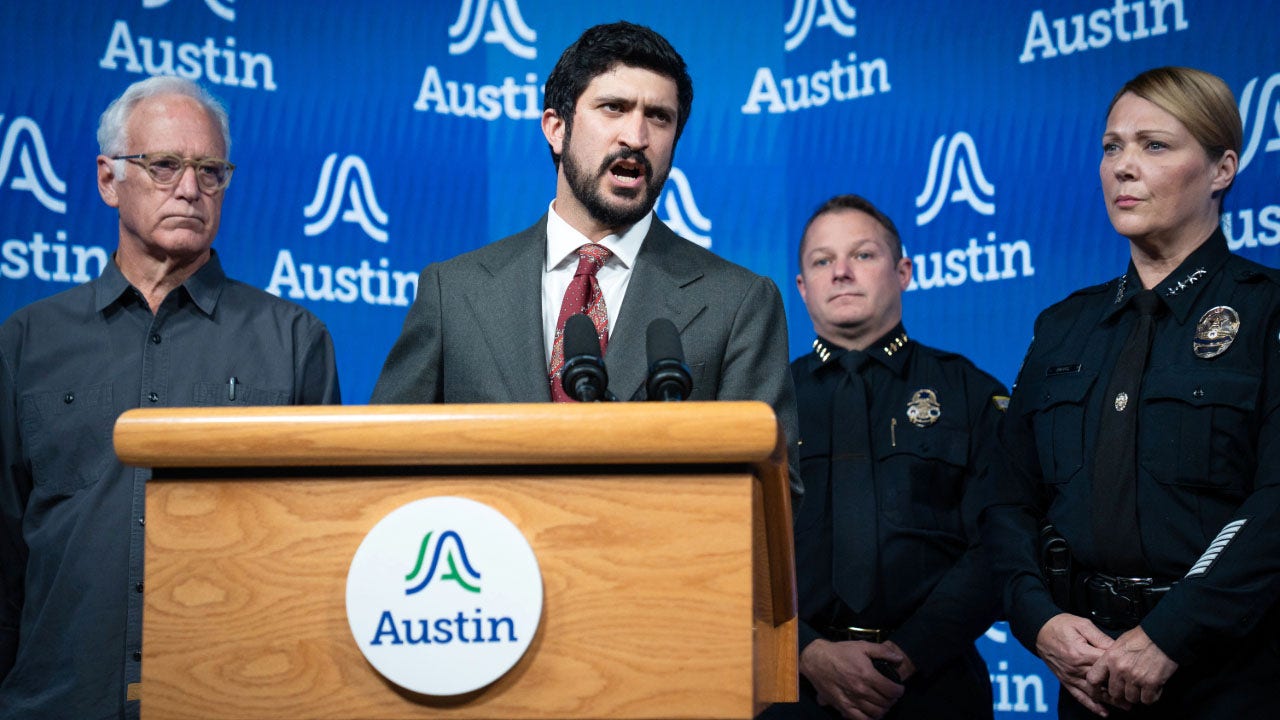
Democrats in Austin, Texas, faced criticism after quickly condemning ICE following a shooting involving an illegal immigrant, Wilber Rafael Garces Perez, before the investigation concluded. Rep. Greg Casar, Councilman Mike Siegel, and Mayor Kirk Watson criticized ICE, with Casar calling for an end to its operations in the city. Retired police officer Dennis Farris criticized the mayor’s response, saying it escalated tensions. Conservatives accused Democrats of selective outrage, citing past crimes by illegal immigrants. Austin Police reported arrests and injuries after protests.
Our Reading
As expected, the matter has reached another stage.
Democrats rush to condemn ICE before facts are known.
Mayors and councilmen speak before investigations conclude.
Conservatives call out selective outrage and past crimes.
Retired officers question the timing and impact of the statements.
Author: Evan Null
Political Performances and Routines
Politicians in Austin quickly took sides after a shooting involving an illegal immigrant, with Democrats condemning ICE before the investigation was complete. The response was swift and predictable, with elected officials using the incident to push their agendas. The timing of the statements raised questions about whether the focus was on justice or political gain.
Conservatives seized on the moment, pointing to past crimes by illegal immigrants as evidence of hypocrisy. They argued that Democrats only reacted when it suited their narrative, not when it was truly necessary. The criticism highlighted the tension between political rhetoric and factual reporting.
Retired officers, like Dennis Farris, questioned the motives behind the swift condemnation. They suggested that the reactions were more about stirring up emotions than addressing real issues. The mayor’s response, in particular, was seen as overly emotional and potentially inflammatory.
The situation also revealed how quickly public opinion can shift based on incomplete information. Social media amplified the debate, with both sides using the incident to support their arguments. The result was a polarized reaction that reflected broader political divides.
As the investigation continues, the focus remains on how quickly and loudly officials spoke before the facts were known. The event serves as a reminder of how political moments can quickly turn into performances, with each side trying to shape the narrative before the truth is fully revealed.
Key Figures and Their Roles
Rep. Greg Casar, a member of the progressive Squad, was among the first to condemn ICE, calling for an end to its operations in Austin. His comments were amplified by the White House Rapid Response account on X, showing how political messages can be quickly disseminated. Casar’s history of reacting before facts are known was noted by critics, who called him a “bomb thrower.”
Mayor Kirk Watson also spoke out against ICE, which surprised some, including retired officers who expected more measured responses. His social media posts received a strong negative reaction, with many accusing him of inflaming tensions before the investigation was complete. The mayor’s response was compared to that of former Mayor Steve Adler, who faced criticism for his handling of the 2020 George Floyd riots.
Councilman Mike Siegel joined in the condemnation, adding to the pressure on ICE. His involvement was seen as part of a broader pattern of political posturing, where officials use high-profile incidents to advance their agendas. The swift response from multiple elected officials suggested a coordinated effort to shape public opinion.
Retired officer Dennis Farris criticized the timing of the statements, arguing that they were more about political strategy than public safety. He also questioned the claim that ICE was “surging” in Austin, noting that federal immigration enforcement had been ongoing for decades without similar reactions.
The incident highlighted the role of social media in amplifying political responses. Conservatives used platforms like X to call out Democrats, while liberals shared the statements of elected officials. The debate quickly turned into a public spectacle, with each side using the event to reinforce their positions.
Public Reaction and Social Media Impact
The public reaction to the Democrats’ statements was mixed, with many criticizing the speed and tone of their responses. Conservatives accused the left of selective outrage, pointing to past crimes by illegal immigrants as evidence of hypocrisy. They argued that Democrats only reacted when it suited their narrative, not when it was truly necessary.
Social media played a key role in shaping the debate, with both sides using platforms like X to amplify their messages. The mayor’s social media posts received a strong negative reaction, with many accusing him of inflaming tensions before the investigation was complete. The debate quickly turned into a public spectacle, with each side using the event to reinforce their positions.
Retired officers and local residents expressed concern that the political responses were more about stirring up emotions than addressing real issues. They argued that the focus should be on the facts of the case, not on political posturing. The incident highlighted the tension between political rhetoric and factual reporting.
The situation also revealed how quickly public opinion can shift based on incomplete information. The initial statements from Democrats were met with both support and criticism, showing how polarized the debate had become. The event served as a reminder of how political moments can quickly turn into performances, with each side trying to shape the narrative before the truth is fully revealed.
As the investigation continues, the focus remains on how quickly and loudly officials spoke before the facts were known. The event serves as a reminder of how political moments can quickly turn into performances, with each side trying to shape the narrative before the truth is fully revealed.
Legal and Immigration Context
Wilber Rafael Garces Perez, the man shot by an ICE officer, was identified as an illegal immigrant from Venezuela with a final order of removal. According to the Department of Homeland Security, he entered the U.S. under the Biden administration and was shot during a law enforcement operation. His attorney, Kate Lincoln-Goldfinch, claimed he was driving for DoorDash when an unmarked truck sideswiped him, leading to the confrontation.
Lincoln-Goldfinch argued that Perez entered the U.S. lawfully through a port of entry and was issued a valid work permit. She claimed that the deportation order was based on a missed hearing due to an incorrect address, a common issue in immigration cases. The attorney stated that the agencies involved would be held accountable and that her client would be released from detention.
The case highlights the complexities of immigration enforcement, with both sides presenting conflicting narratives. The attorney’s statements suggest that the situation may not be as straightforward as the initial political responses indicated. The legal battle over Perez’s status will likely continue as the investigation unfolds.
The incident also raises questions about the role of ICE in local communities and the potential for conflict between federal and local authorities. The shooting and subsequent political responses have drawn attention to the broader debate over immigration policy and enforcement. As the legal process continues, the focus remains on the facts of the case and the broader implications for immigration enforcement.
The situation underscores the challenges of balancing public safety with immigration policy. The political reactions have added another layer of complexity to the case, with each side using the incident to advance their agendas. The outcome of the legal proceedings will likely have significant implications for future immigration enforcement and political discourse.