Source: Fortune.com
Summary
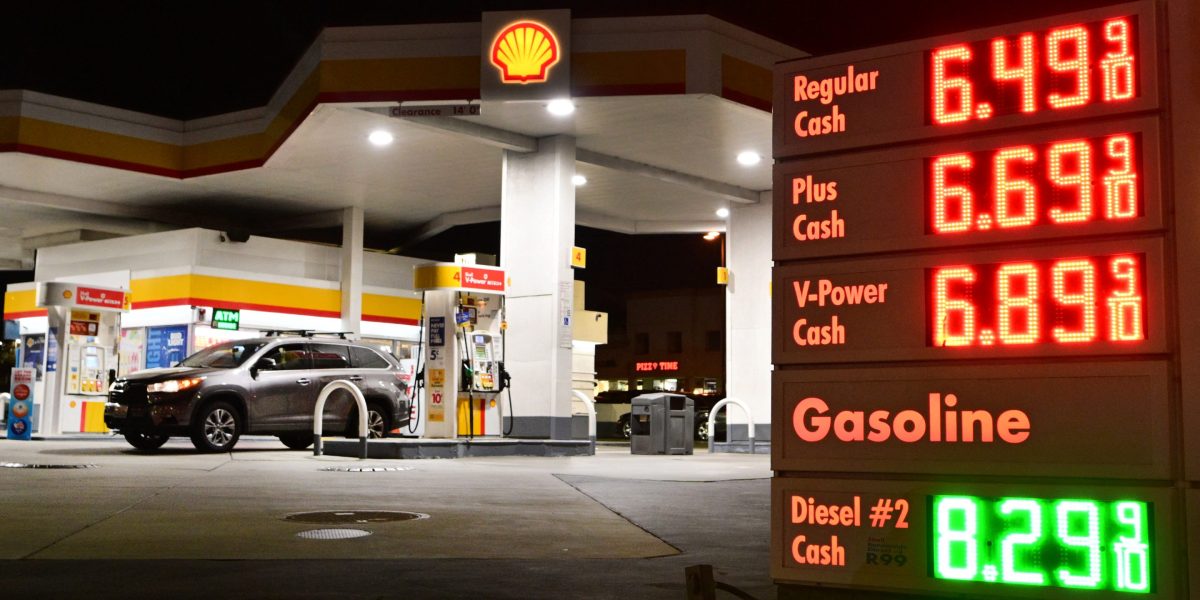
U.S. diesel prices hit a record high of $6.52 per gallon, prompting President Donald Trump to support a temporary ban on diesel exports. Analysts warn that such a move would create a domestic surplus, reduce refinery output, and raise gasoline and jet fuel prices. Energy Secretary Chris Wright opposed the idea, suggesting export caps instead. The U.S. supplies 20% of global diesel exports, and an export ban could harm global supply chains and reduce U.S. political leverage. The American Petroleum Institute called the proposal “catastrophic.” With midterm elections approaching, farm-state Republicans are pushing for the ban, but the White House remains divided.
Our Reading
The numbers tell one story.
Trump calls for diesel export ban as prices hit record highs.
Analysts say domestic surplus would reduce refinery output and raise other fuel prices.
Energy Secretary opposes ban, suggests export caps instead.
U.S. supplies 20% of global diesel, making export restrictions risky.
The U.S. is not short of diesel, but the world is.
Author: Evan Null
What’s happening
Fuel costs are high despite a relatively stable global oil benchmark. The Iran war has disrupted Middle Eastern refineries, while Ukraine’s drone strikes have damaged Russia’s refining capacity. This has led to a global fuel shortage, increasing the world’s reliance on U.S. diesel supplies. The U.S. currently provides 20% of global diesel exports, making an export ban a risky move. Analysts warn that such a ban would create a domestic surplus, reduce refinery output, and raise gasoline and jet fuel prices. The American Petroleum Institute has strongly opposed the idea, calling it “catastrophic.”
The U.S. is not short of diesel, but the world is. This imbalance has made the U.S. a key player in the global fuel market. However, an export ban would undermine this position, pushing other countries to seek alternative suppliers. This could reduce long-term demand for U.S. fuel and weaken political leverage. The U.S. energy sector has consistently opposed the idea, arguing that it would create more problems than it solves. Despite this, farm-state Republicans are pushing for the ban, citing the impact on farmers and the economy.
The political landscape is complicated, with farm-state Republicans supporting the ban and oil-state Republicans opposing it. The White House remains divided, with Energy Secretary Chris Wright suggesting alternative measures. The timing of the proposal, just before the midterm elections, adds to the pressure. However, experts believe the likelihood of the ban being implemented is less than 50%. Even if it were, the consequences could be severe, affecting global supply chains and increasing fuel prices worldwide.
The U.S. has depleted its Strategic Petroleum Reserve to record lows, but it doesn’t have strategic reserves of gasoline or diesel. This makes the situation more precarious, as the country is more vulnerable to supply shocks. In Europe, strategic reserves are kept in refined fuel form, but they are not as large as the U.S. reserves. French President Emmanuel Macron is pushing for coordinated action, and Trump’s threats to withhold diesel could further pressure European nations to act. The Jones Act waiver has helped alleviate some of the shortages, but extending it is seen as a more viable solution than an export ban.
Experts warn that export bans are quick to implement but slow to reverse, causing lasting damage. The Jones Act waiver is already helping move surplus fuel to where it’s needed, making it a more effective solution. An export ban would create far more problems than it solves, according to analysts. The situation highlights the complex interplay between domestic politics, global supply chains, and energy policy. As the U.S. grapples with rising fuel costs, the debate over export bans continues to intensify.
Politics at play
The push for a diesel export ban has gained momentum amid the Iran war and rising fuel costs. Farm-state Republicans, including U.S. Sen. Chuck Grassley, are advocating for the ban, arguing that high diesel prices are hurting farmers. However, the U.S. energy sector has consistently opposed the idea, warning of the negative consequences. The White House is divided, with Energy Secretary Chris Wright suggesting alternative measures. The timing of the proposal, just before the midterm elections, has added to the political pressure. Despite this, experts believe the likelihood of the ban being implemented is less than 50%.
The last time the U.S. banned fuel exports was during the 1970s Arab oil embargo, when the country was not a major energy exporter. Today, the situation is different, with the U.S. playing a key role in the global fuel market. The export ban would disrupt this balance, creating a domestic surplus and reducing refinery output. This could lead to higher gasoline and jet fuel prices, exacerbating the fuel crisis. The American Petroleum Institute has called the proposal “catastrophic,” warning that it would harm the global economy and weaken U.S. political leverage.
The debate over the export ban has created a split within the Republican Party, with farm-state Republicans supporting it and oil-state Republicans opposing it. This division has left the matter up to the White House, which remains cautious. Analysts suggest that Trump may not follow through on the proposal, despite his public support. If the ban were to be implemented, it could lead to further complications, including the possibility of banning gasoline exports as well. This would have even more severe consequences for the global fuel market.
The U.S. has depleted its Strategic Petroleum Reserve to record lows, but it doesn’t have reserves of gasoline or diesel. This makes the situation more precarious, as the country is more vulnerable to supply shocks. In Europe, strategic reserves are kept in refined fuel form, but they are not as large as the U.S. reserves. French President Emmanuel Macron is pushing for coordinated action, and Trump’s threats to withhold diesel could further pressure European nations to act. The Jones Act waiver has helped alleviate some of the shortages, but extending it is seen as a more viable solution than an export ban.
Experts warn that export bans are quick to implement but slow to reverse, causing lasting damage. The Jones Act waiver is already helping move surplus fuel to where it’s needed, making it a more effective solution. An export ban would create far more problems than it solves, according to analysts. The situation highlights the complex interplay between domestic politics, global supply chains, and energy policy. As the U.S. grapples with rising fuel costs, the debate over export bans continues to intensify.