Source: Fortune
Summary
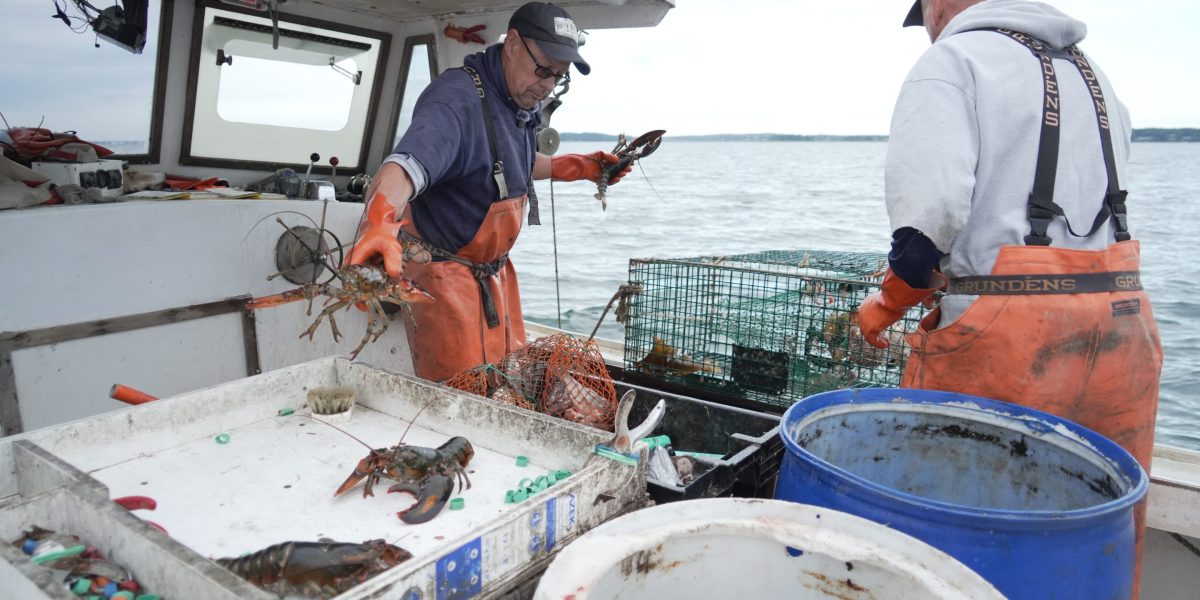
Commercial fishermen in the U.S., including those in Washington, Alaska and Maine, are expressing frustration with rising fuel costs, trade tensions with Canada and cuts to the National Oceanic and Atmospheric Administration (NOAA). John Evich, a fisherman in Alaska, said he would support any candidate who better represents his industry. Fishermen reported that Trump’s policies, including deregulation and trade actions, have had mixed effects. NOAA’s budget cuts have reduced its ability to support fisheries, and fuel prices have increased significantly, making operations more difficult. Some industry leaders say the Trump administration’s actions have created unnecessary disruption for the fishing sector.
Our Reading
The numbers tell one story.
Fuel prices have doubled, pushing diesel to $6 per gallon.
NOAA faces a 40% budget cut, reducing science and data collection.
Trade tensions with Canada complicate markets for crabs and lobster.
Fishermen say Trump’s deregulation has been a double-edged sword.
Corporate language masks the cost of disruption.
Author: Evan Null
John Evich’s Vote for Trump
John Evich, a commercial fisherman in Washington and Alaska, has voted for President Donald Trump three times, viewing him as someone who would fight for his industry. Evich’s support for Trump has been based on the belief that the president would protect the interests of fishermen. However, he now expresses weariness over the rising costs of doing business at sea, including fuel prices and trade hostilities with Canada. Evich’s sentiment is shared by many in the U.S. seafood industry, which is increasingly dissatisfied with the current political climate.
Trump’s Pro-Fishing Policies
Trump has positioned himself as a pro-fishing president since his first term, rolling back Obama-era fishing restrictions and promoting deregulation. He has also made trade moves that he claims benefit the fishing industry. However, recent actions, such as cuts to NOAA, have raised concerns among fishermen. These cuts have reduced the agency’s ability to support fisheries and provide necessary data. Despite Trump’s efforts to appeal to the fishing industry, many fishermen feel his policies have created more problems than solutions.
Fuel Costs and Trade Tensions
Rising fuel costs have become a major burden for the fishing industry, with diesel prices reaching $6 per gallon. This increase has made it difficult for many fishermen to operate, as fuel costs determine the economic viability of their trips. Trade tensions with Canada have also complicated the industry’s relationship with a key trading partner. While Canada has exempted U.S. seafood from its counter-tariffs, the broader trade dispute has left fishermen concerned about the long-term impact on their businesses.
Cuts to NOAA and Their Impact
The National Oceanic and Atmospheric Administration (NOAA) is facing a budget cut of more than 40% in the fiscal 2027 budget proposal. This would lead to cuts in science programs, fisheries management and data collection, which are essential for the fishing industry. Fishermen have reported that NOAA is understaffed and struggling to keep up with its responsibilities. This has led to frustration among fishermen, who rely on the agency for accurate data and timely regulation.
Industry Concerns and Political Implications
Dissatisfaction among commercial fishermen could have political implications, particularly in competitive races in Washington, Alaska and Maine. Many fishermen feel that the Trump administration has created unnecessary disruption for the industry. Despite some industry-friendly policies, the combination of rising costs, trade tensions and budget cuts has led to a growing sense of unease. Fishermen like John Evich and Linda Behnken are calling for a change in leadership that better addresses their concerns.