Source: Fortune
Summary
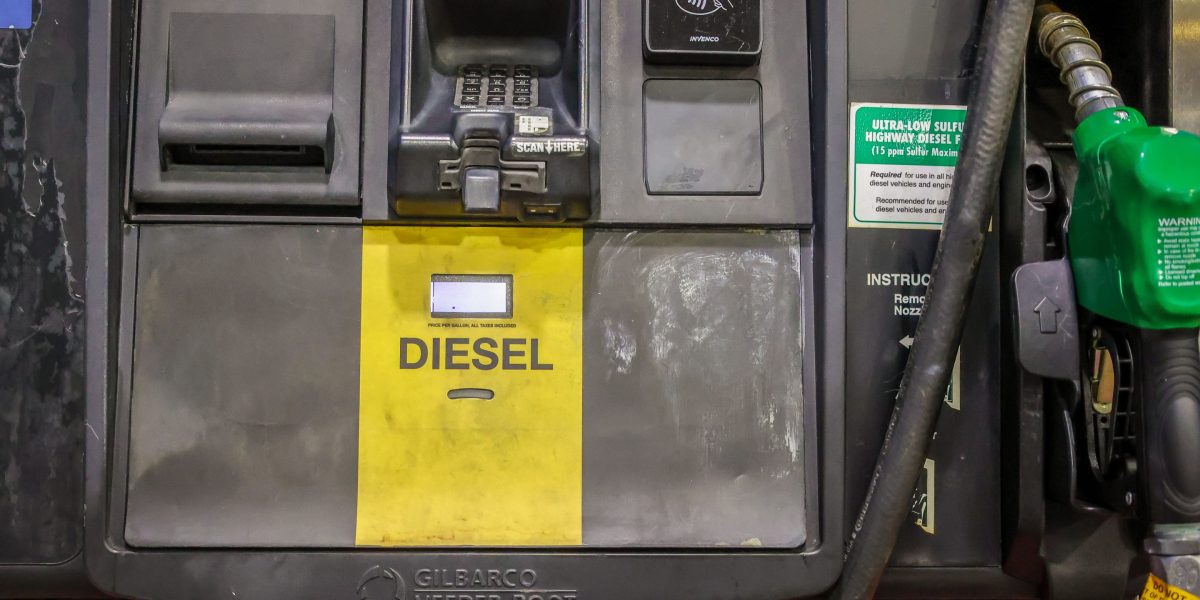
U.S. diesel prices hit record highs, with some California stations displaying $9.999 per gallon, the maximum allowed on pumps. GasBuddy reported the price at a San Diego station, though some pumps may be out of fuel. Nationally, diesel averaged $6 per gallon, with projections for further increases. Crude oil prices rose 8% to $109 per barrel, driven by Middle East tensions and supply disruptions. Diesel prices are straining the economy, with daily costs exceeding $700 million more than last year.
Our Reading
The numbers tell one story.
Diesel prices hit $9.999 in California, maxing out pump displays.
The national average for diesel passed $6 per gallon for the first time.
Oil prices spiked to $109 per barrel, driven by Middle East tensions.
Diesel is causing more economic pain than gasoline, with daily costs rising.
The situation is worsening, with no relief in sight.
The pump displays are just a reflection of a deeper, more volatile energy crisis.
Author: Evan Null
Eyes on the Middle East
Saudi Arabia’s oil production fell to its lowest since 1990, at 6.2 million barrels per day, due to Houthi attacks on the Red Sea. These attacks have disrupted oil shipments and raised concerns about global supply. The Strait of Hormuz, a key shipping route, is also under threat, with more tankers being targeted. This has led to a spike in oil prices and increased fears of supply shortages. The situation is further complicated by the U.S. Strategic Petroleum Reserve reaching 44-year lows, leaving little buffer for fuel shortages.
Global Supply Chain Strains
The global diesel market is facing a severe imbalance, with demand outpacing supply. This has led to higher prices and increased inflationary pressures across the economy. The agricultural sector is particularly vulnerable, as diesel is essential for harvesting and transportation. With the harvest season beginning in September, the rising cost of fuel is expected to have a significant impact on food prices and production. The lack of new refineries and the slow response from global oil producers are exacerbating the crisis.
Market Response and Predictions
Analysts predict that diesel prices could continue to rise, with some suggesting that prices may exceed $7 per gallon in the coming weeks. The situation is expected to worsen as global tensions in the Middle East persist and oil production remains constrained. Some experts argue that higher prices are necessary to reduce demand and stabilize the market. However, this could lead to further economic strain for consumers and businesses. The lack of immediate solutions highlights the fragility of the global energy market.
Political and Economic Implications
The rising cost of fuel is having a significant impact on the U.S. economy, with daily expenses increasing by over $700 million compared to last year. This has led to calls for more aggressive measures to address the energy crisis, including increased investment in alternative energy sources and improved fuel efficiency. Politically, the issue is becoming a key concern for policymakers, with some suggesting that the government should take a more active role in managing fuel prices. However, the complexity of the global market makes it difficult to implement effective solutions quickly.
Looking Ahead
The current energy crisis is a stark reminder of the interconnectedness of global markets and the vulnerability of the U.S. economy to external shocks. As diesel prices continue to rise, the impact on consumers and businesses will become more pronounced. The situation is expected to remain volatile, with no clear path to a stable solution in the near future. Experts warn that the only way to address the crisis is through a combination of increased production, improved efficiency, and long-term investment in alternative energy sources.