Source: Fox News
Summary
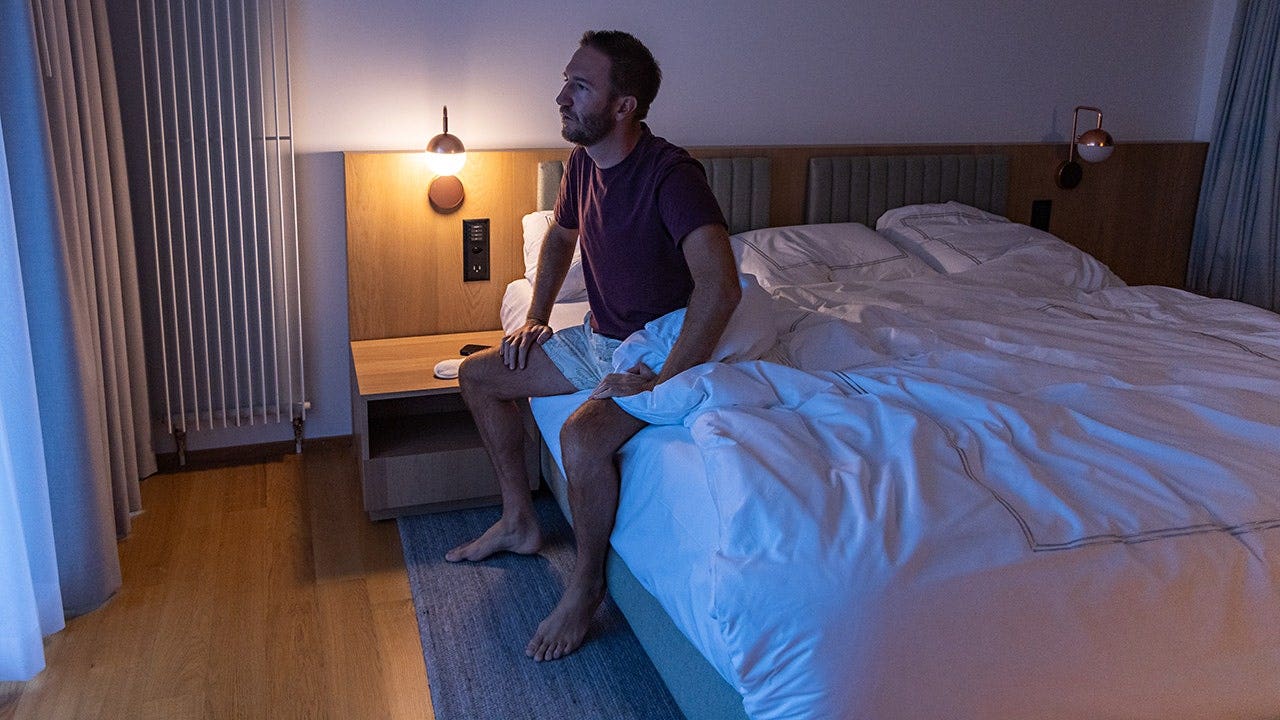
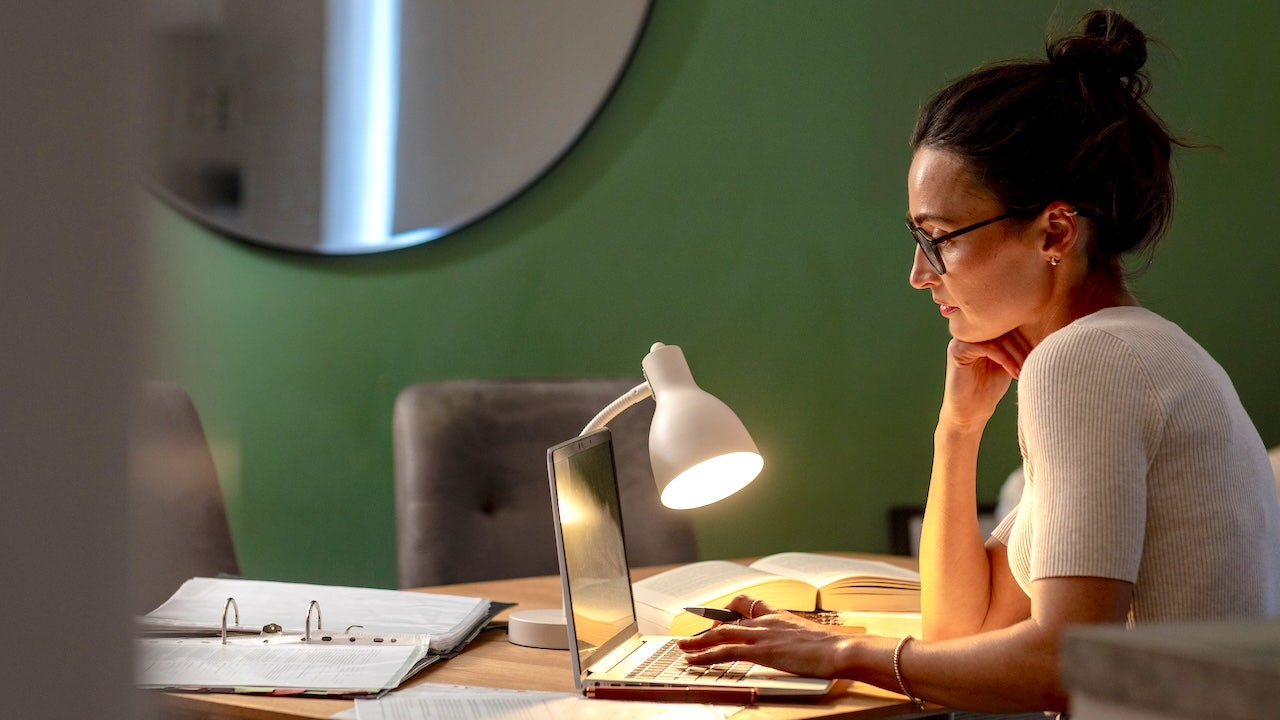
Nearsightedness is expected to affect nearly half of the world’s population by 2050, according to the World Health Organization. A new study suggests that dim indoor lighting may contribute to the development of myopia, in addition to heavy smartphone use and excessive computer use. Researchers found that when people focus on close objects in dim lighting, the pupil constricts, reducing retinal illumination and potentially triggering eye growth.
Our Reading
The advice sounds familiar.
Myopia research has been shifting focus from solely blaming screen time to considering other factors like lighting. This study’s findings on dim indoor lighting as a potential trigger for myopia growth enters another phase of understanding the complex causes of nearsightedness. The interplay between visual habits, lighting, and eye focusing is still being explored. The recommendation to spend time outdoors to slow myopia development remains, but the role of dim lighting in indoor environments is now under scrutiny.
As the World Health Organization predicted a significant rise in myopia cases by 2050, the search for contributing factors continues, and the impact of dim indoor lighting on eye development is now part of the conversation.
Author: Evan Null