Source: Fox News
Summary
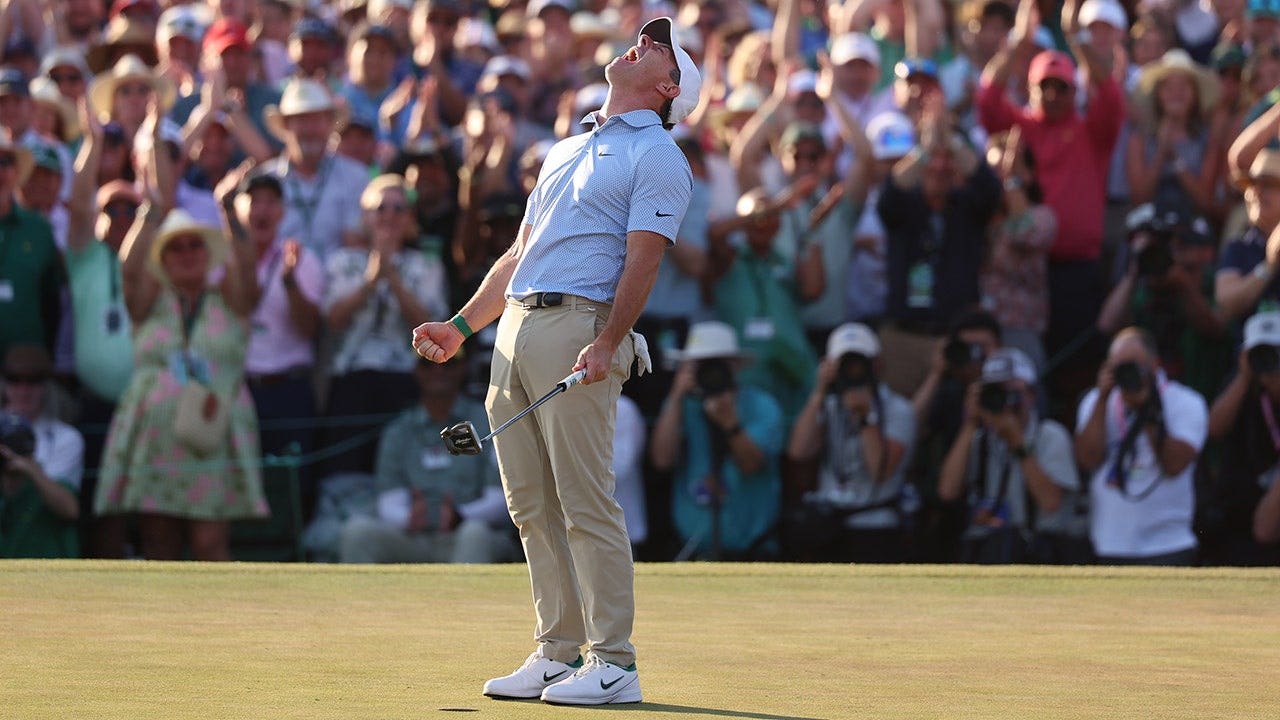
Rory McIlroy’s wearable device tracked his heart rate during the Masters, showing a rate of 117 beats per minute on his first putt and 150 during the post-win celebration. McIlroy has been using the device to manage his long-term heart condition, myocarditis. However, medical expert Dr. Mike Varshavski expressed concerns that consumer-grade wearables are not intended to track true medical conditions and can actually fuel medical stress and sleep anxiety.
Our Reading
The advice sounds familiar.
Wearable devices are becoming increasingly popular, but their impact on public health is still debated. While they can provide valuable insights for athletes and individuals with medical conditions, they can also create unrealistic expectations and fuel anxiety for average users. The concept of “orthosomnia” highlights the potential risks of becoming too obsessed with fitness trackers and sleep data.
Varshavski’s cautionary words echo the concerns of many medical professionals, who emphasize the importance of treating these devices as tools rather than diagnostic instruments. As the wearable market continues to grow, it’s essential to consider the potential consequences of relying too heavily on these devices.
The situation feels like a familiar refrain: a new technology emerges, promising to revolutionize our understanding of our bodies and our health, only to reveal its limitations and potential drawbacks.