Source: Fortune
Summary
The Trump administration is reviving prize law, a centuries-old maritime legal framework, to seize and sell Iranian oil tankers. Aaron Reitz, U.S. Attorney for the Southern District of Texas, confirmed the move, citing national security needs. The law allows military forces to capture enemy vessels without needing to prove a legal violation. Bloomberg Law first reported the development. Legal experts note the law’s age and potential for litigation, especially without a formal declaration of war against Iran.
Our Reading
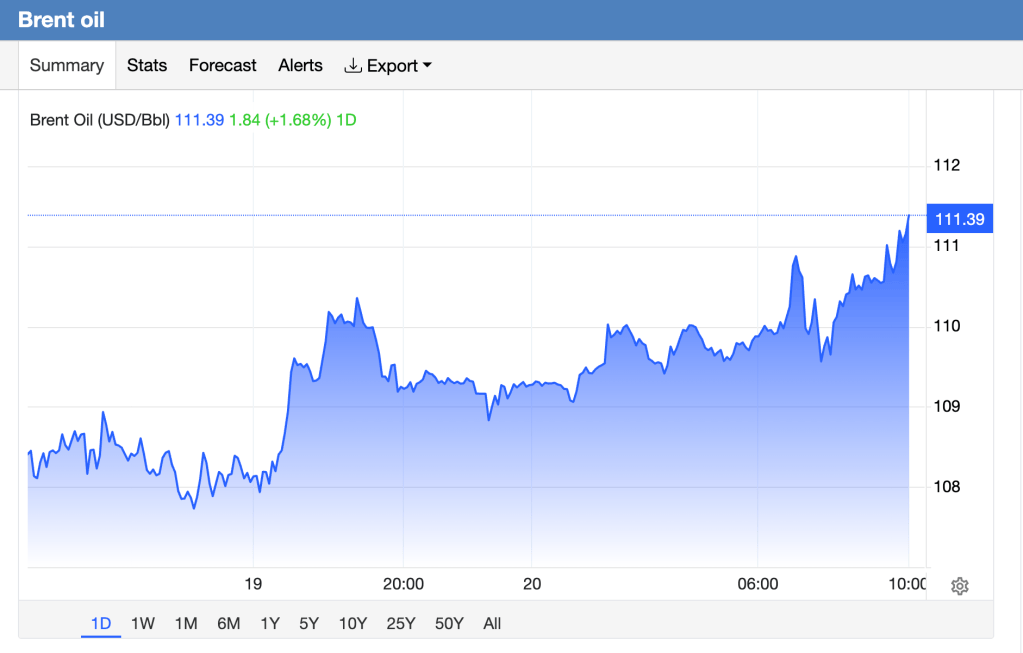
The numbers tell one story.
Prize law is being revived for a modern conflict.
The legal process is simpler but untested.
Experts question its practicality and legality.
The administration prioritizes financial gain over legal clarity.
Author: Evan Null
The ‘ancient’ roots of U.S. prize law
Prize laws date back to the Middle Ages and are embedded in the U.S. legal system. The Constitution includes the Captures Clause, which outlines rules for capturing enemy vessels during war. President Abraham Lincoln used the Prize Act of 1812 during the Civil War to blockade Confederate ports. The law was last used during the Spanish-American War, when U.S. forces detained Spanish vessels as prizes of war.
Reitz did not specify which law the Justice Department would use, but the revival of prize law offers a simpler process for seizing enemy vessels. This could benefit the Trump administration by allowing the seizure of Iranian oil tankers without the need for extensive litigation. Legal experts suggest the administration is prioritizing financial gain over legal complexity.
Raymond Waid, a naval officer and maritime lawyer, noted that the administration has shown a clear interest in profiting from the seizure of oil and vessels. This aligns with the broader goal of using legal tools to bolster military actions and recoup war costs. The revival of prize law reflects a strategic move to streamline the process of capturing and selling enemy assets.
The legal process for prize law is less complicated than civil seizure laws, which require proving a statutory violation. Under prize law, the Department of Defense can seize vessels without a warrant or direct link to a legal violation. This makes it a more efficient tool for military operations, though it comes with significant legal risks.
Experts warn that the age of the law and lack of recent use could lead to complications. The Justice Department may struggle to find experienced legal counsel for prize law cases. Additionally, the absence of a formal war declaration against Iran could create legal gray areas and invite further scrutiny from Congress.
Will the Prize Act work in assisting the U.S. in the Iran war?
Legal experts have raised concerns about the effectiveness of reviving prize law in the context of the Iran war. The law has not been used since the Spanish-American War, and its application in a modern conflict is untested. This lack of precedent could lead to significant legal challenges and delays.
One major issue is the need to prove that a capture occurs during an official war with congressional and presidential authority. Since Congress has not declared war against Iran, there is uncertainty about the legality of using prize law. This could lead to disputes over whether the administration has the proper legal grounds for its actions.
Experts also note that the U.S. may face litigation over the legality of its naval blockade. Neutral vessels carrying cargo from other countries could be caught in the crossfire, leading to arguments over whether they were subject to the blockade. This could complicate the administration’s efforts and lead to further legal battles.
Allison Luzwick, a maritime lawyer, emphasized that the administration will need to prove that the blockade was adequately declared and communicated. This includes ensuring that vessels were properly notified and that the blockade was not seen as an unlawful act. These legal hurdles could slow down the administration’s efforts and reduce the effectiveness of the strategy.
Despite these challenges, the administration appears committed to using prize law as a tool for military and financial gain. The revival of this ancient legal framework highlights the complex interplay between law, military action, and national interests in modern conflicts.
Legal challenges and potential outcomes
The use of prize law in the context of the Iran war raises significant legal questions. One of the main concerns is whether the U.S. has the legal authority to seize Iranian vessels without a formal declaration of war. This could lead to disputes with other countries and international legal bodies, complicating the administration’s efforts.
Another challenge is the potential for litigation from affected parties. Vessels that are seized could challenge the legality of their capture, arguing that they were not properly notified of the blockade or that the administration lacks the legal grounds to act. This could result in lengthy and costly legal battles, undermining the efficiency of the strategy.
Legal experts also point out that the administration may face pressure from Congress to justify its actions. Without a formal war declaration, the administration could be accused of overstepping its authority, leading to increased scrutiny and potential legislative action. This could further complicate the use of prize law and limit its effectiveness.
The revival of prize law also highlights the broader trend of using legal tools to support military operations. This approach reflects a strategic effort to leverage existing legal frameworks to achieve military and financial goals. However, it also underscores the risks of relying on outdated laws in modern conflicts.
Ultimately, the success of the administration’s strategy will depend on its ability to navigate these legal challenges and secure the necessary support from Congress and the courts. The use of prize law in the Iran war represents a bold but uncertain move that could have significant implications for future military and legal actions.
Implications for future conflicts
The revival of prize law in the context of the Iran war sets a precedent for how the U.S. may approach future conflicts. By using an ancient legal framework, the administration is signaling a willingness to adapt existing laws to meet modern military and strategic needs. This approach could influence how other countries use similar legal tools in their own conflicts.
However, the use of prize law also raises concerns about the potential for abuse. The lack of clear legal boundaries and the complexity of the law could lead to disputes over the legitimacy of military actions. This could undermine international trust in U.S. legal and military operations, particularly if the administration is seen as acting unilaterally.
Experts suggest that the administration’s use of prize law may prompt other countries to reconsider their own legal strategies. This could lead to a broader shift in how nations approach maritime conflicts and the seizure of enemy assets. However, the effectiveness of this approach will depend on the legal and political environment in which it is used.
The administration’s decision to revive prize law also highlights the ongoing tension between military necessity and legal accountability. While the law offers a streamlined process for seizing enemy vessels, it also raises questions about the balance between national security and due process. This tension will likely shape future debates over the use of legal tools in military operations.
As the U.S. continues to navigate the complexities of modern warfare, the use of prize law serves as a reminder of the enduring influence of historical legal frameworks. The administration’s actions may set a new precedent for how countries approach military conflicts, with long-term implications for international law and relations.