Source: Fortune.com
Summary
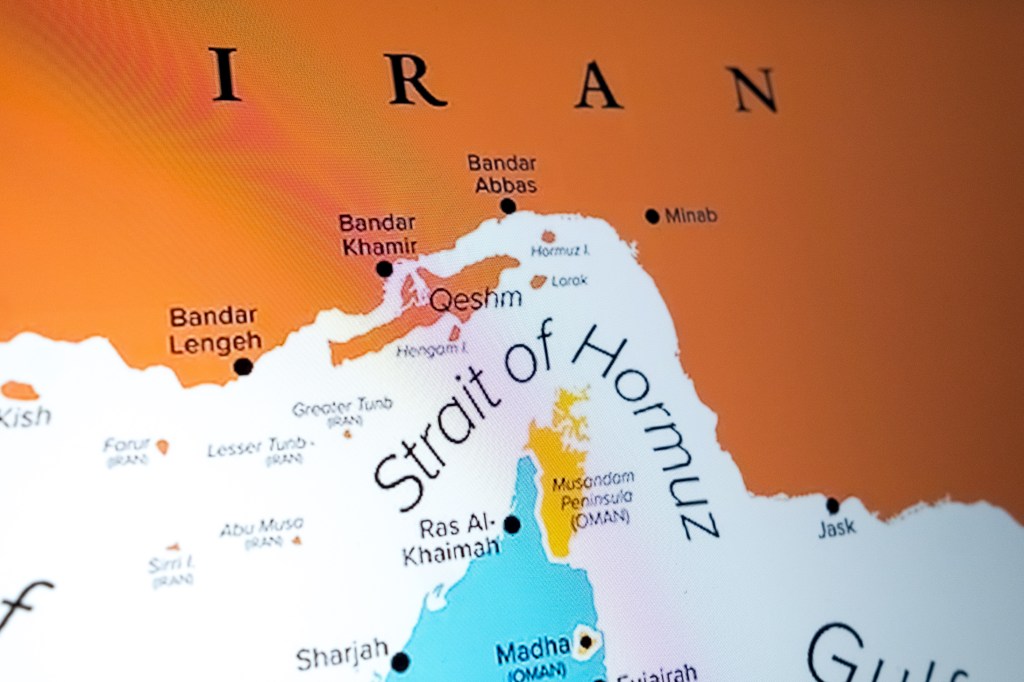
Despite the US and Israel attacking Iran, killing its supreme leader and sparking a regional war, crude oil prices only rose 6% on March 2. The Strait of Hormuz, a critical oil and gas choke point, is essentially shut down, but prices could surge higher if oil flows don’t resume soon. Energy analysts expect the US to take action to reopen the strait, and some third-party insurers are refusing to cover tankers passing through the strait. Oil prices have risen 25% since the beginning of the year due to escalating US-Iran tensions, and consumers are watching for potential trickle-down effects on gas prices.
Our Reading
The numbers tell one story.
The attack on Iran has caused a relatively muted reaction in the energy markets, with oil prices rising only 6% on March 2. The Strait of Hormuz is essentially closed, but prices could surge higher if oil flows don’t resume soon. Energy analysts expect the US to take action to reopen the strait. The market reaction suggests that the situation is currently contained, but a prolonged closure of the strait could lead to significant price increases. The situation is being closely watched by consumers, who are bracing for potential trickle-down effects on gas prices. The US may need to offer security guarantees to third-party insurers to get tankers moving again.
Author: Evan Null