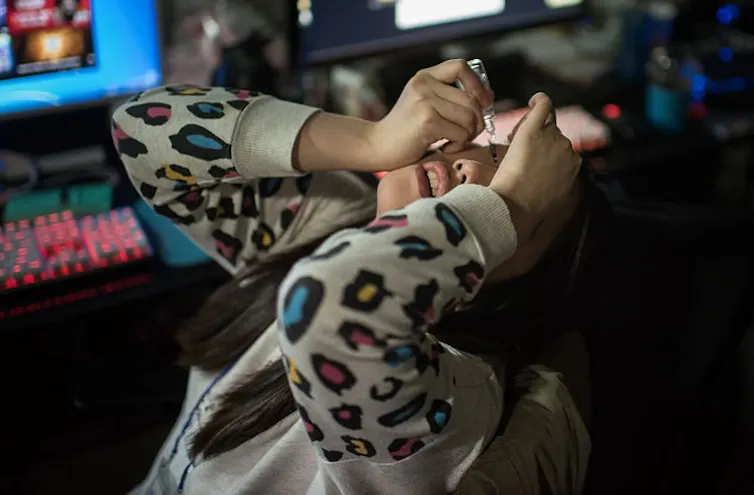
Source: Fortune.com
Summary
Chinese esports player Jian “Uzi” Zi-hao, known for his exceptional skills in “League of Legends,” retired in 2020 due to chronic injuries. Despite earning over $500,000 in prize money, his career was cut short by wrist and arm issues. A 2021 study found that 37% of Portuguese esports players experience anxiety and depression, while 45% face sleep disturbances. Physical injuries, including eye strain, musculoskeletal issues, and deep vein thrombosis, are common among gamers. Top esports teams now employ physical therapists and performance psychologists to address these challenges.
Our Reading
The numbers tell one story.
Esports players face physical and mental strain from long hours of practice and competition.
Injuries like carpal tunnel and eye fatigue are common.
Teams now use therapists and ergonomic setups to reduce risks.
Esports is increasingly seen as a high-stakes, physically demanding profession.
Author: Evan Null
Esports Players and the Hidden Physical Toll
Professional gamers face a range of physical and mental health challenges. Long hours of sitting, repetitive movements, and high-pressure environments contribute to injuries and stress. Despite the perception of gaming as a sedentary activity, esports players often experience conditions similar to those of athletes and musicians.
Chronic wrist and arm injuries are a common cause of early retirement for top players. Jian “Uzi” Zi-hao, for example, retired in 2020 due to injuries that limited his ability to compete. His story is not unique, as many players face similar physical limitations.
Studies show that esports players suffer from anxiety, depression, and sleep disturbances. The mental toll of constant competition and the pressure to perform can be as significant as the physical strain.
Esports teams are now investing in medical support, including physical therapists and psychologists, to help players manage these challenges. This shift reflects the growing recognition of the physical and mental demands of professional gaming.
As esports continues to grow, the need for comprehensive health support for players becomes more critical. The industry is evolving to address the unique challenges faced by its athletes.
The Physical Demands of Professional Gaming
Despite the image of gaming as a passive activity, professional esports players endure significant physical strain. Long hours of sitting, repetitive hand movements, and intense focus can lead to a variety of health issues. These include eye strain, carpal tunnel syndrome, and musculoskeletal pain.
Many players suffer from sleep disturbances due to the blue light emitted by screens, which can disrupt melatonin production. This, in turn, affects their overall health and performance. The sedentary nature of the profession also increases the risk of deep vein thrombosis, a condition that can be life-threatening.
Esports teams are now incorporating physical therapy and ergonomic setups to help players avoid these issues. This includes regular exercise, proper posture, and the use of supportive equipment to reduce injury risk.
As the industry matures, the focus on player health is becoming more prominent. Teams are recognizing that physical and mental well-being are essential to long-term success.
The growing awareness of these challenges is leading to more comprehensive support systems for esports athletes. This shift is helping to create a healthier, more sustainable environment for players.
Comparing Esports to Traditional Sports and Performing Arts
Esports is often compared to traditional sports, but the physical and mental demands of gaming share more similarities with performing arts like music and dance. Both require long hours of practice, precise movements, and intense focus. This comparison highlights the need for specialized injury prevention and performance optimization strategies.
Research on performing artists has shown that biomechanics and muscle fatigue are common issues. Similar patterns have been observed in esports players, suggesting that techniques used in music and dance could be beneficial for gamers. This cross-disciplinary approach could lead to more effective injury prevention methods.
Professional musicians and dancers have long had access to physical therapy and performance coaching. Esports is now following a similar path, with teams incorporating similar support structures to help players manage their health and performance.
By drawing on the experiences of performing artists, esports can develop more tailored approaches to player health. This could lead to better outcomes and longer careers for professional gamers.
The integration of performing arts techniques into esports training is a promising development. It could help address the unique challenges faced by gamers and improve overall player well-being.
The Role of Medical Support in Esports
As the esports industry grows, the role of medical support is becoming increasingly important. Teams are now employing physical therapists, performance psychologists, and athletic trainers to help players manage the physical and mental demands of their profession. This support is essential for preventing injuries and maintaining peak performance.
Physical therapists work with players to develop exercise routines that improve strength, flexibility, and posture. These routines help reduce the risk of injuries and enhance overall performance. Performance psychologists provide mental health support, helping players manage stress and maintain focus.
Esports teams are also investing in ergonomic setups to create a healthier gaming environment. This includes adjustable chairs, proper desk setups, and regular breaks to reduce the risk of musculoskeletal issues. These measures are designed to promote long-term health and career sustainability.
The inclusion of medical professionals in esports is a sign of the industry’s maturation. It reflects a growing understanding of the physical and mental challenges faced by professional gamers. This support is crucial for the continued growth and success of the esports sector.
With the right medical support, esports players can maintain their health and continue to compete at the highest level. This investment in player well-being is essential for the future of the industry.
Looking Ahead: The Future of Esports Health and Safety
The future of esports health and safety looks promising as more attention is given to player well-being. With the increasing recognition of the physical and mental demands of professional gaming, teams are investing in comprehensive support systems. This includes medical professionals, ergonomic setups, and mental health resources.
As the industry continues to grow, the focus on player health is likely to expand. This could lead to the development of new training methods and injury prevention strategies tailored specifically for esports athletes. The integration of techniques from traditional sports and performing arts is expected to play a significant role in this evolution.
Esports organizations are also working to create a culture that prioritizes health and well-being. This includes promoting regular exercise, proper nutrition, and mental health support. These efforts are aimed at ensuring that players can sustain their careers and perform at their best.
The future of esports health and safety will depend on continued research and innovation. As more data becomes available, new strategies will emerge to address the unique challenges faced by professional gamers. This will help create a more sustainable and supportive environment for players.
With the right approach, the esports industry can continue to thrive while ensuring the long-term health and success of its athletes. This commitment to player well-being is essential for the future of the sport.