Source: Fortune
Summary
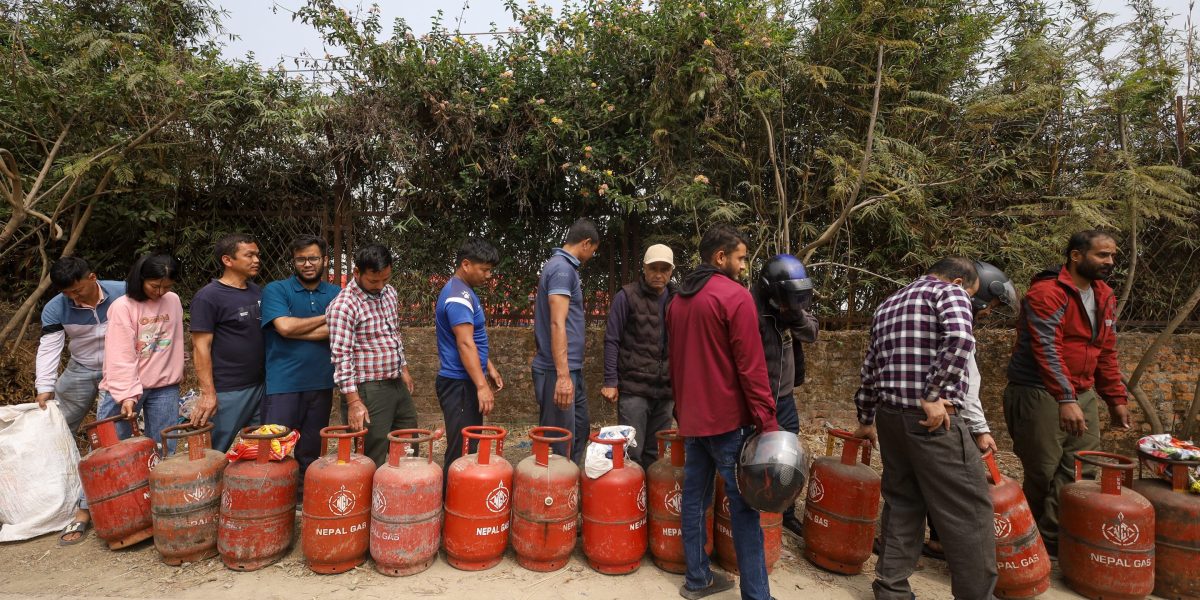
US oil and gas producers, refiners, and exporters have seen their stock prices surge to all-time highs due to the Iran war and growing fuel and power costs worldwide. Exxon Mobil, Chevron, and other industry giants have seen their market capitalization values increase by 30% this year, with Exxon’s market cap reaching a new high of $643 billion. The average price of regular unleaded gasoline in the US has risen to above $3.60, while Asian nations are experiencing long lines for fuel and shortened work weeks.
Surging Stock Prices
Exxon Mobil’s market cap is up nearly 30% this year, while Chevron’s is up over 30%. Occidental Petroleum’s stock has risen 43% this year, and Venture Global’s stock has jumped 92% since January 1.
Refining Profit Margins
Refining profit margins for gasoline, diesel, and jet fuel have skyrocketed, making top refineries such as Valero Energy, Marathon Petroleum, and Phillips 66 big winners. Their market caps have risen from almost 40% to nearly 50% this year.
LNG Prices
Liquefied natural gas (LNG) prices have also skyrocketed, benefiting companies such as Cheniere Energy and Venture Global.
Our Reading
The numbers tell one story. Exxon Mobil and Chevron’s stock prices have surged to all-time highs, while the Dow Jones Industrial Average and the S&P 500 have declined. The US is the biggest producer in the world, and its supplies are not bottlenecked, making American producers’ financial results likely to benefit from the current situation. Venture Global’s CEO Mike Sabel noted that the company has the “most available cargoes” to sell on the spot market, and its ownership of its tanker fleet allows it to avoid higher tanker costs.
As one oil forecaster noted, “The U.S. is the biggest producer in the world, and our supplies are not bottlenecked.” That’s a lot different than if you’re in the Middle East with production that can’t move.
Author: Evan Null