Source: Fox News
Summary
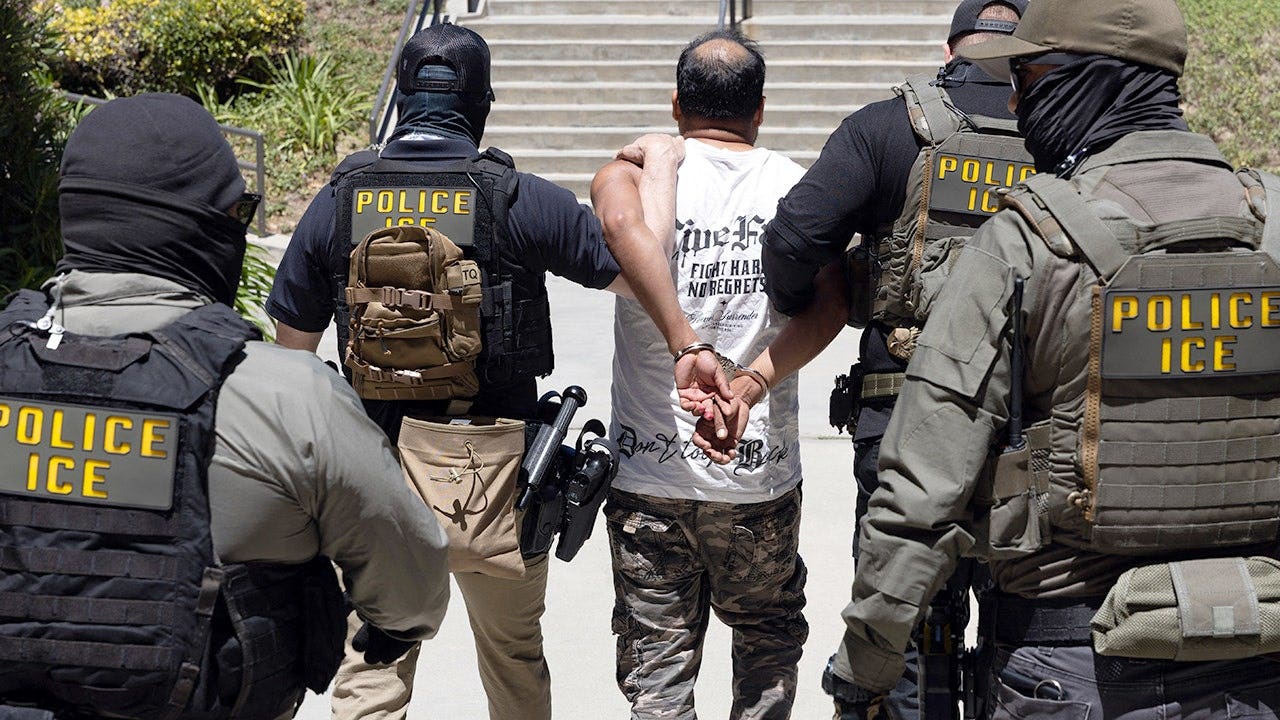
A federal judge in California issued a preliminary injunction blocking the U.S. government from conducting warrantless civil immigration arrests in the district unless the arrestee is deemed likely to escape before a warrant can be obtained. The order, signed by Judge Maame Ewusi-Mensah Frimpong, cited legal requirements under 8 U.S.C. 1357(a)(2) and 8 C.F.R. § 287.8(c)(2). The judge noted that mere presence in the U.S. does not justify warrantless arrests. The ruling applies to several California counties. The ACLU praised the decision, calling it a step toward ending unlawful arrests. The Department of Homeland Security defended its practices, stating they comply with the law and the Fourth Amendment.
Our Reading
As expected, the matter has reached another stage.
Judge Frimpong blocks warrantless arrests in California.
Immigration agents must now assess escape risk before acting.
ACLU calls it a major win for families and due process.
The government says it’s just following the law, as always.
Author: Evan Null
Immigration Enforcement and Legal Boundaries
The federal judge’s decision highlights the ongoing tension between immigration enforcement and constitutional rights. The ruling sets a legal precedent for how immigration agents must operate within the bounds of the law. It reflects a growing scrutiny of federal immigration practices, particularly in regions with large immigrant populations. The judge’s order emphasizes the need for individualized assessments before making arrests, reinforcing the importance of due process in immigration cases.
Political and Legal Implications
The case has drawn attention from both immigration advocates and government officials. Advocacy groups see the ruling as a victory for civil liberties, while federal agencies argue that the decision undermines their ability to enforce immigration laws effectively. The judge’s decision also raises questions about the balance between public safety and individual rights in the context of immigration enforcement. It adds to a broader national debate about the role of federal immigration authorities and the legal standards they must follow.
Public Reaction and Advocacy
Immigration rights organizations have welcomed the ruling as a significant step toward protecting vulnerable communities. The ACLU, in particular, has emphasized the impact of the decision on families and individuals who may otherwise face arbitrary detention. The judge’s order is seen as a response to growing concerns about the treatment of immigrants and the potential for abuse of power by law enforcement. Advocates argue that the ruling helps ensure that immigration enforcement is conducted fairly and transparently.
Government Response and Legal Justification
The Department of Homeland Security has defended its immigration enforcement practices, stating that they are in line with existing laws and constitutional protections. Officials argue that the use of reasonable suspicion and probable cause is standard procedure and that the Supreme Court has already affirmed these practices. The government’s response underscores the ongoing legal and political challenges in defining the scope of immigration enforcement. It also highlights the difficulty of reconciling immigration policy with civil liberties concerns.
Broader National Context
The ruling comes amid a broader national conversation about immigration policy and the role of federal agencies in enforcing immigration laws. It reflects the increasing scrutiny of immigration enforcement practices and the push for greater accountability. The decision also aligns with other recent legal challenges to immigration policies, suggesting a trend toward greater judicial oversight of federal immigration actions. As the case moves forward, it will likely continue to shape the legal landscape of immigration enforcement in the United States.