Source: Fox News
Summary
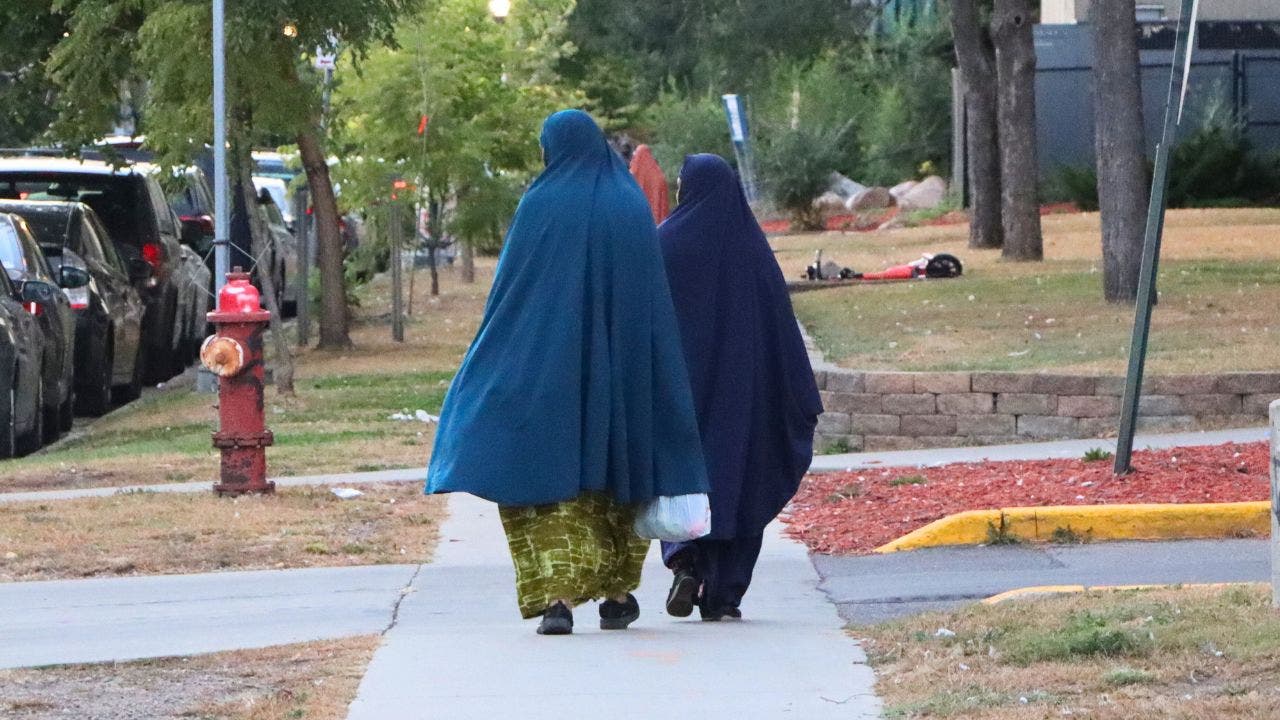
Minnesota has a large Somali community, where female genital mutilation (FGM) is a common practice. Despite a state law making FGM a felony, there have been no criminal prosecutions in Minnesota. The practice is often carried out in secrecy, making it difficult to detect and enforce. Survivors of FGM, including Ayaan Hirsi Ali and Zahra Abdalla, have spoken out about the physical and psychological damage caused by the procedure. The lack of prosecutions has raised questions about enforcement and whether cases are going undetected.
Our Reading
As expected, the matter has reached another stage.
The issue of female genital mutilation in Minnesota has been ongoing for years, with a large Somali community and a state law that prohibits the practice. Despite this, there have been no criminal prosecutions, raising questions about enforcement and detection. The practice is often carried out in secrecy, making it difficult to track and address. The silence surrounding the issue is a significant barrier to enforcement, with survivors often fearing stigma and family pressure. The lack of prosecutions has led to concerns about the effectiveness of the law and the need for greater accountability.
It is a familiar phase in the process, where the issue is acknowledged, but the solution remains elusive.
The process has entered a familiar phase, where the issue is acknowledged, but the solution remains elusive. The lack of prosecutions has raised questions about enforcement and detection, and the silence surrounding the issue is a significant barrier to progress.
It’s a ritual of acknowledgement, without action.