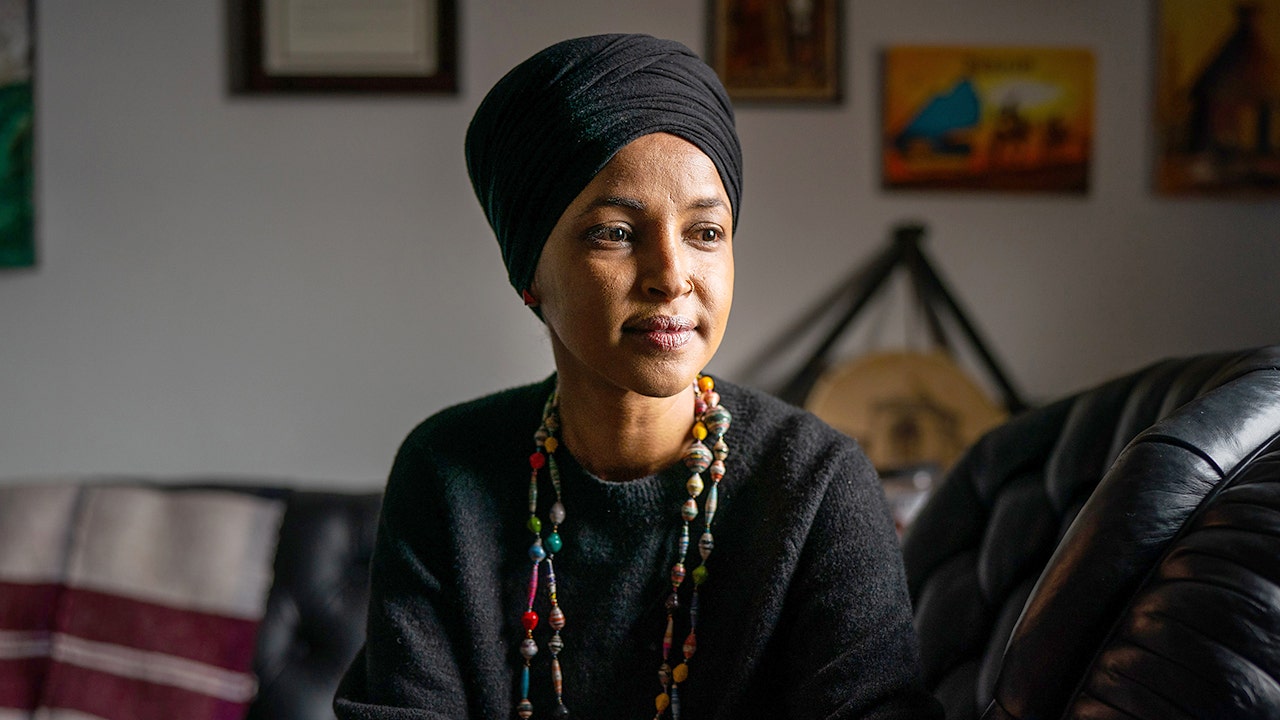
Source: Fox News
Summary
U.S. Attorney Jeanine Pirro announced her office is investigating Rep. Ilhan Omar’s financial disclosures, following reports of a sharp increase in her husband’s business valuations. The disclosures showed a rise from $51,000 in 2023 to $30 million in 2024. Federal agents searched Omar’s home as part of an ongoing criminal investigation. The Justice Department confirmed the search as part of a federal probe. House Oversight Committee Chairman James Comer requested financial records from companies linked to Omar’s husband. Omar revised her disclosures, reducing reported assets to between $18,004 and $95,000. The congressional watchdog recommended dismissing misconduct allegations against Omar.
Our Reading
As expected, the matter has reached another stage.
Pirro announces an investigation into Omar’s financial disclosures.
Federal agents search her home as part of a separate probe.
Comer demands records from companies linked to her husband.
Omar revises disclosures, lowering reported assets significantly.
The process repeats with new filings and new scrutiny.
Author: Evan Null
Financial Disclosures and Political Scrutiny
Rep. Ilhan Omar’s financial disclosures have drawn significant attention from both the public and political figures. The sudden increase in her husband’s business valuations has led to questions about the accuracy of these disclosures. The U.S. Attorney’s office has now launched an investigation into these financial reports, adding another layer of complexity to the situation.
House Oversight Committee Chairman James Comer has been one of the most vocal critics, requesting detailed financial records from companies linked to Omar’s husband. This has intensified the scrutiny surrounding her financial disclosures and the potential implications for her political career.
Omar has repeatedly denied any wrongdoing, maintaining that she is not a millionaire. However, the recent changes to her financial disclosures have raised further questions about the accuracy of the information provided. The revised filings show a significant drop in the reported value of her husband’s businesses, which has not quelled the ongoing debate.
The congressional watchdog, the Office of Congressional Conduct, has also weighed in, recommending that the House Ethics Committee dismiss the misconduct allegations. Despite this, the federal investigation continues, indicating that the matter is far from resolved.
Omar’s situation highlights the intersection of personal finances and political accountability. The scrutiny she faces underscores the challenges that public figures encounter when their financial disclosures come under close examination.
Investigations and Public Perception
The ongoing investigations into Rep. Ilhan Omar’s financial disclosures have fueled public speculation and political debate. The sudden surge in her husband’s business valuations has raised concerns about transparency and potential conflicts of interest. As the U.S. Attorney’s office delves deeper into these matters, the public remains attentive to any new developments.
House Oversight Committee Chairman James Comer has continued to push for more information, emphasizing the need for accountability. His requests for detailed financial records from companies linked to Omar’s husband have added to the pressure on the congresswoman to provide clear and accurate disclosures.
Omar’s revised financial disclosures, which significantly lower the reported value of her husband’s businesses, have not entirely dispelled the concerns raised by critics. The changes have been met with skepticism, as many question the reasons behind the dramatic shift in valuation.
The congressional watchdog’s recommendation to dismiss the misconduct allegations has provided some relief, but the federal investigation continues. This indicates that the matter is still under active scrutiny, and further developments are likely to follow.
Omar’s situation reflects the broader challenges faced by public figures when their personal finances are scrutinized. The combination of political pressure and public interest makes her case a focal point for discussions about transparency and accountability in government.
Political Dynamics and Public Response
The political dynamics surrounding Rep. Ilhan Omar’s financial disclosures have created a complex landscape of scrutiny and debate. The sudden increase in her husband’s business valuations has drawn the attention of both political opponents and the general public. This has led to a series of investigations and requests for more information, highlighting the sensitivity of financial disclosures in the political arena.
House Oversight Committee Chairman James Comer has been a key figure in this process, pushing for detailed financial records from companies linked to Omar’s husband. His actions have amplified the scrutiny surrounding her financial disclosures, further fueling the debate about the accuracy and transparency of the information provided.
Omar’s revised financial disclosures, which show a significant drop in the reported value of her husband’s businesses, have not entirely quelled the concerns raised by critics. The changes have been met with skepticism, as many question the reasons behind the dramatic shift in valuation.
The congressional watchdog’s recommendation to dismiss the misconduct allegations has provided some relief, but the federal investigation continues. This indicates that the matter is still under active scrutiny, and further developments are likely to follow.
Omar’s situation reflects the broader challenges faced by public figures when their personal finances are scrutinized. The combination of political pressure and public interest makes her case a focal point for discussions about transparency and accountability in government.
Legal and Ethical Considerations
The legal and ethical considerations surrounding Rep. Ilhan Omar’s financial disclosures have been a central focus of the ongoing investigations. The sudden increase in her husband’s business valuations has raised questions about the accuracy of the information provided and the potential for conflicts of interest. These concerns have led to multiple investigations and requests for more detailed financial records.
House Oversight Committee Chairman James Comer has been a key figure in this process, pushing for detailed financial records from companies linked to Omar’s husband. His actions have amplified the scrutiny surrounding her financial disclosures, further fueling the debate about the accuracy and transparency of the information provided.
Omar’s revised financial disclosures, which show a significant drop in the reported value of her husband’s businesses, have not entirely quelled the concerns raised by critics. The changes have been met with skepticism, as many question the reasons behind the dramatic shift in valuation.
The congressional watchdog’s recommendation to dismiss the misconduct allegations has provided some relief, but the federal investigation continues. This indicates that the matter is still under active scrutiny, and further developments are likely to follow.
Omar’s situation reflects the broader challenges faced by public figures when their personal finances are scrutinized. The combination of political pressure and public interest makes her case a focal point for discussions about transparency and accountability in government.
Public and Political Reactions
The public and political reactions to Rep. Ilhan Omar’s financial disclosures have been varied and intense. The sudden increase in her husband’s business valuations has sparked widespread interest and debate, with many questioning the accuracy of the information provided. This has led to a series of investigations and requests for more detailed financial records, highlighting the sensitivity of financial disclosures in the political arena.
House Oversight Committee Chairman James Comer has been a key figure in this process, pushing for detailed financial records from companies linked to Omar’s husband. His actions have amplified the scrutiny surrounding her financial disclosures, further fueling the debate about the accuracy and transparency of the information provided.
Omar’s revised financial disclosures, which show a significant drop in the reported value of her husband’s businesses, have not entirely quelled the concerns raised by critics. The changes have been met with skepticism, as many question the reasons behind the dramatic shift in valuation.
The congressional watchdog’s recommendation to dismiss the misconduct allegations has provided some relief, but the federal investigation continues. This indicates that the matter is still under active scrutiny, and further developments are likely to follow.
Omar’s situation reflects the broader challenges faced by public figures when their personal finances are scrutinized. The combination of political pressure and public interest makes her case a focal point for discussions about transparency and accountability in government.