Source: BroBible
Summary
Flock Safety, a company with a large network of license plate recognition cameras, is trying to shut down a map that tracks its surveillance devices. The map, created by cybersecurity researcher Joshua Michael, shows over 300,000 Flock devices across the U.S. Flock claims no data breaches have occurred, but cities are ending contracts due to privacy concerns. Public trust has declined, and over 140 cities have canceled or rejected Flock contracts as of August 2026.
Our Reading
The habit gets a new name.
Flock wants to erase its own footprint.
Cities are ditching the tech they once trusted.
Privacy is a trend that’s out of fashion.
Surveillance is now a liability, not a solution.
Flock’s data security is as shaky as its reputation.
Author: Evan Null
How Flock’s Surveillance Network Grew
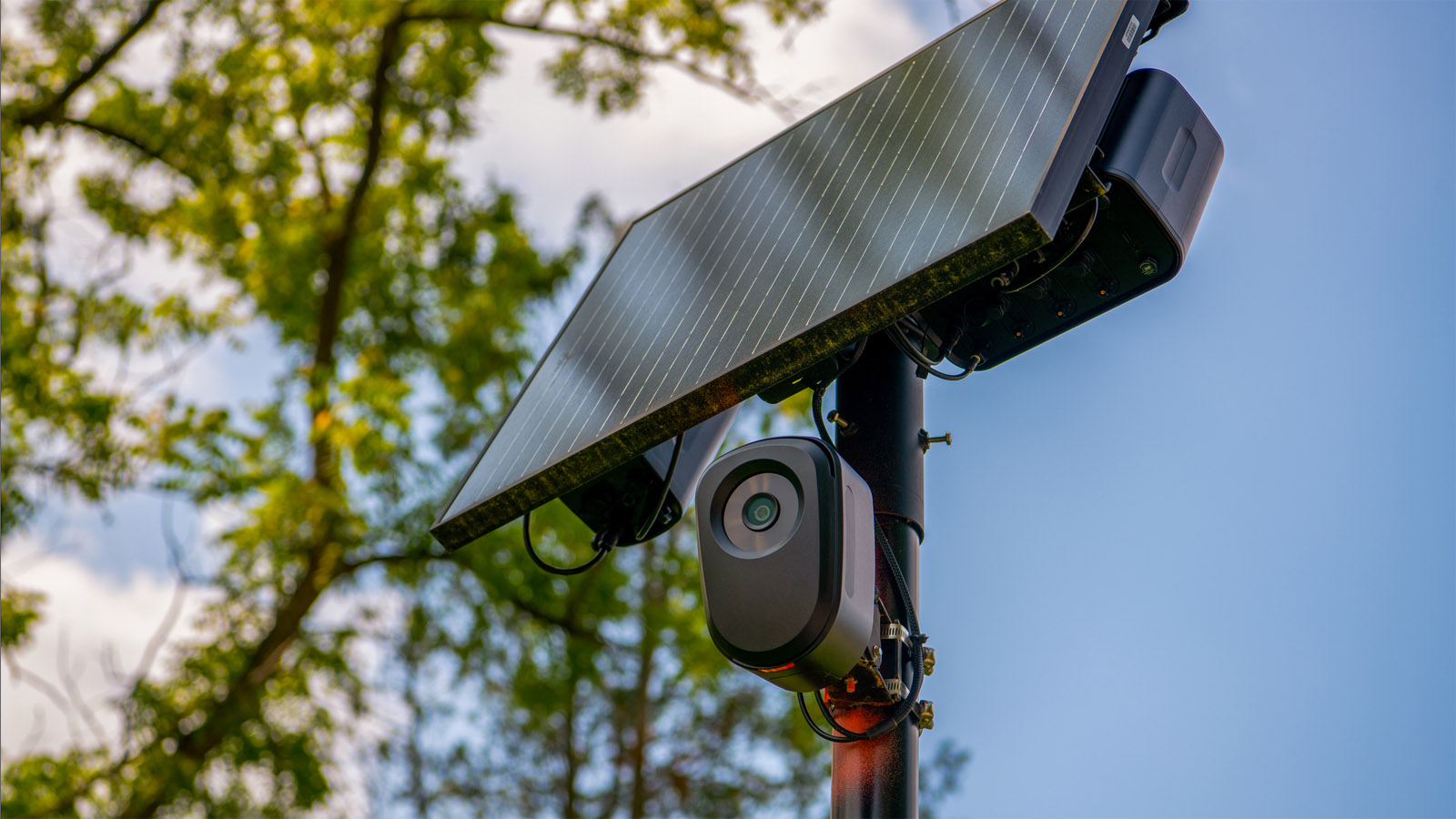
Flock Safety, a company with a mission to track every American’s location, has built a massive network of automatic license plate recognition cameras. With over 170,000 devices, it claims to be one of the largest such networks in the U.S. Cybersecurity researcher Joshua Michael created a map that shows the locations of these devices, which he says number 300,000. The map, which color-codes each device by model, has drawn attention from both the public and Flock itself.
Flock’s Response to the Surveillance Map
Soon after the map was released, Flock’s partner, security firm Doppel, filed a trademark complaint against Michael, asking that his website be taken down. Flock has denied any data breaches, despite Michael’s findings that the company’s servers were leaking data. In January 2025, Flock stated that it had never been hacked and that its cloud platform had never experienced a data breach.
Public Backlash and City Contracts
Despite claims that Flock cameras help solve crimes, cities are ending their contracts. Moline, Illinois, police said the cameras helped solve serious crimes, but public trust and privacy concerns have led to the suspension of the program. Mayor Sangeetha Rayapati cited public opposition as a major factor in the decision, noting that concerns about Flock transcend political lines.
The Rise of Anti-Flock Movements
Public opposition has led to a growing number of cities rejecting Flock cameras. A website called DeFlock collects and shares data on Flock cameras, and in 2026, Newsweek reported that 149 cities and counties canceled or rejected Flock contracts. Over half of these occurred in August alone, with more cities following suit. The trend shows a shift in public sentiment against mass surveillance.
Flock’s Efforts to Control Its Image
Flock is now trying to shut down the map that reveals its surveillance network. The company claims it is protecting its intellectual property, but critics say it is an attempt to hide the extent of its tracking. As more cities distance themselves from Flock, the company’s efforts to maintain control over its data and reputation are becoming increasingly difficult.