Source: Fox News
Summary
Florida has implemented new restrictions on how welfare cash can be spent, blocking EBT card use for items like tattoos, video games, and vaping products. The state’s Temporary Cash Assistance (TCA) program, part of the federal TANF program, now limits non-essential purchases. The ACF praised Florida’s “common-sense restrictions” in a letter to Gov. Ron DeSantis. The changes align with the Trump administration’s push for similar policies nationwide. Florida had previously banned EBT use for alcohol and adult entertainment, but the new rules add item-level restrictions. The policy does not reduce benefit amounts, but limits where cash can be spent.
Our Reading
As expected, the matter has reached another stage.
Florida blocks tattoos, video games, and vapes with EBT cards.
DeSantis calls it accountability, not punishment.
ACF says it’s about basic needs, not luxury.
Another state becomes a test case for a national policy.
Author: Evan Null
Florida’s New Welfare Rules
Florida is the first state to impose sweeping new limits on how welfare cash can be spent. The state’s Temporary Cash Assistance (TCA) program now blocks EBT card use for items like tattoos, theme park tickets, video games, and vaping products. These restrictions are part of a broader effort to ensure welfare funds are used for “basic needs.”
The changes come as part of a federal push by the Trump administration to encourage similar policies in other states. The ACF praised Florida’s approach, calling it “common-sense.” The restrictions are not meant to reduce benefits but to limit how they are spent. Recipients can still use EBT cards for food, clothing, and utilities.
Florida had previously banned EBT use for alcohol and adult entertainment. The new rules go further by restricting specific items at eligible retailers. This includes entertainment services, body piercings, and even psychic services. The goal is to ensure welfare funds are used for what the government deems essential.
The policy will be phased in as Florida works with EBT vendors and retailers to block prohibited purchases. Recipients will only be able to withdraw TCA cash at SNAP-authorized locations. The governor’s office says the average household receives about $250 a month in benefits.
ACF Assistant Secretary Alex J. Adams said the policy reflects the idea that TANF is temporary help, not an unrestricted cash benefit. He hopes Florida becomes a model for other states, with 27 currently lacking EBT restrictions beyond federal law.
How Welfare Rules Work
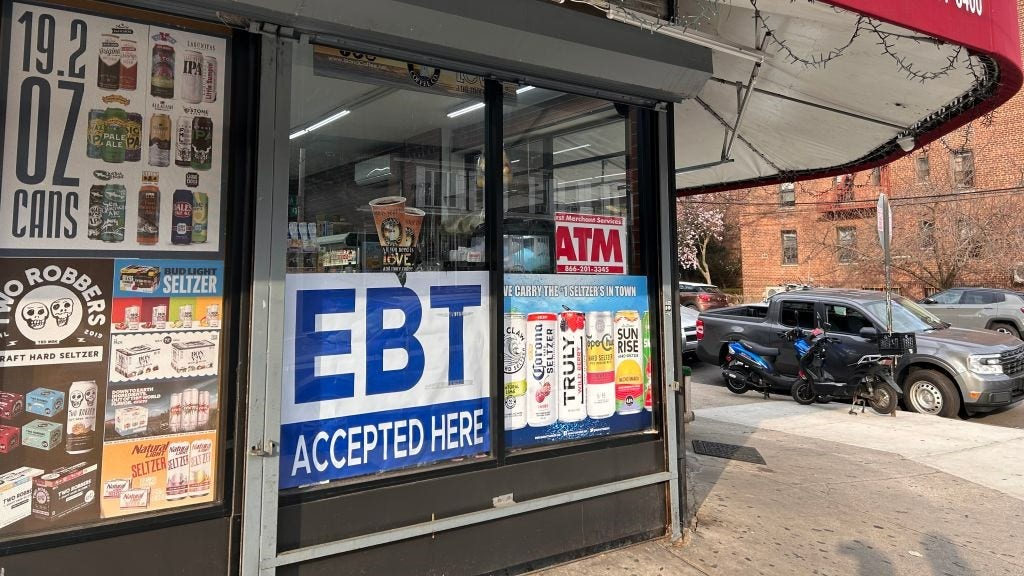
Florida’s welfare program, TCA, is funded through the federal TANF program. It is separate from SNAP, the food-assistance program, though families can receive both through the same EBT card. The new restrictions apply only to TCA cash, not food benefits. This means recipients can still use EBT for groceries, but not for non-essential items like video games or tattoos.
The ACF letter to Gov. DeSantis praised the state for implementing “common-sense restrictions.” The letter said the changes align with the administration’s view that taxpayer-funded assistance should help with “basic needs” like food, housing, and utilities. The goal is to improve accountability and ensure benefits are used as intended.
The restrictions are not about cutting benefits but about controlling how they are spent. Recipients will still receive the same amount of cash, but they will be limited in where and how they can use it. This is part of a broader trend in some states to impose more rules on welfare programs.
Florida’s new rules are part of a growing movement to tighten welfare spending. Other states have considered similar measures, including banning EBT use for soda, candy, and energy drinks. The idea is to prevent what some see as misuse of public funds.
The policy will be implemented gradually. Florida is working with EBT vendors and retailers to block prohibited purchases. Recipients will only be able to withdraw cash at approved locations. This is meant to ensure that welfare funds are used for what the government considers essential.
Political Push for Welfare Restrictions
The Trump administration has been pushing states to adopt stricter welfare rules. The ACF has been a key player in this effort, encouraging states to limit how cash assistance is spent. Florida’s new policy is seen as a model for other states to follow. ACF Assistant Secretary Alex J. Adams said the goal is to ensure that TANF is used for “basic needs,” not “superfluous purchases.”
Adams told Fox News Digital that the administration hopes Florida becomes a “best practice” for other states. He noted that 27 states lack EBT location restrictions beyond federal law. The idea is that by setting a precedent, more states will adopt similar rules. This aligns with the administration’s broader goal of reducing welfare spending and increasing accountability.
Florida’s policy is part of a larger debate over how to manage welfare programs. Some argue that these restrictions are necessary to prevent misuse of public funds. Others say they unfairly target low-income families and make it harder for them to meet basic needs. The debate continues as more states consider similar measures.
The restrictions are not about cutting benefits but about controlling how they are used. Recipients will still get the same amount of money, but they will be limited in what they can buy. This is part of a growing trend in some states to impose more rules on welfare programs.
The policy is being rolled out gradually. Florida is working with EBT vendors and retailers to block prohibited purchases. Recipients will only be able to withdraw cash at approved locations. This is meant to ensure that welfare funds are used for what the government considers essential.
Public Reaction and Concerns
Public reaction to Florida’s new welfare rules has been mixed. Some residents support the idea of limiting how welfare money is spent, arguing that it ensures funds go to essential needs. Others worry that the restrictions could make it harder for low-income families to afford basic necessities. Critics say the rules are an overreach and could penalize people in need.
The policy has also drawn attention from national media. Some outlets have highlighted the restrictions on items like tattoos and video games, framing them as examples of what some see as excessive control over welfare recipients. Others have focused on the broader debate over how to manage public assistance programs.
Despite the concerns, the policy is being implemented as planned. Florida is working with EBT vendors and retailers to block prohibited purchases. Recipients will still receive the same amount of cash, but they will be limited in where and how they can use it. This is part of a growing trend in some states to impose more rules on welfare programs.
The restrictions are not about cutting benefits but about controlling how they are spent. Recipients will still get the same amount of money, but they will be limited in what they can buy. This is part of a growing trend in some states to impose more rules on welfare programs.
The policy is being rolled out gradually. Florida is working with EBT vendors and retailers to block prohibited purchases. Recipients will only be able to withdraw cash at approved locations. This is meant to ensure that welfare funds are used for what the government considers essential.
Welfare Policy Trends
Florida’s new welfare restrictions are part of a larger trend in some states to impose more rules on how public assistance is spent. Other states have considered similar measures, including banning EBT use for soda, candy, and energy drinks. The idea is to prevent what some see as misuse of public funds. This trend reflects a growing debate over how to manage welfare programs and ensure they are used for their intended purpose.
The Trump administration has been a strong advocate for these policies, encouraging states to adopt similar rules. The ACF has been a key player in this effort, pushing for stricter limits on how cash assistance is spent. Florida’s new policy is seen as a model for other states to follow. ACF Assistant Secretary Alex J. Adams said the goal is to ensure that TANF is used for “basic needs,” not “superfluous purchases.”
Despite the support from some quarters, the policy has drawn criticism from others. Critics argue that the restrictions could make it harder for low-income families to meet basic needs. They say the rules are an overreach and could penalize people in need. The debate continues as more states consider similar measures.
The restrictions are not about cutting benefits but about controlling how they are spent. Recipients will still get the same amount of money, but they will be limited in what they can buy. This is part of a growing trend in some states to impose more rules on welfare programs.
The policy is being rolled out gradually. Florida is working with EBT vendors and retailers to block prohibited purchases. Recipients will only be able to withdraw cash at approved locations. This is meant to ensure that welfare funds are used for what the government considers essential.