Source: Fortune
Summary
Major Fortune 500 companies, including Amazon, Target, and Nike, have received hundreds of millions in tariff refunds after the Supreme Court ruled the IEEPA did not authorize the president to impose tariffs. Amazon reported $640 million in refunds, while Target received $994 million. Some companies, like FedEx, have started returning refunds to consumers, while others, like Target, said they would use the money to lower prices. Nike and others have not confirmed if consumers will see refunds, even as lawsuits continue.
Our Reading
The numbers tell one story.
Amazon and Target received hundreds of millions in refunds, but only some plan to return money to customers.
FedEx is returning refunds, while others like Nike stay silent on consumer benefits.
Companies that sued the government are still waiting for full refunds or clarity.
The refunds are a windfall, but how they are used is unclear, with many opting to cut prices instead.
Author: Evan Null
Companies That Received Cash
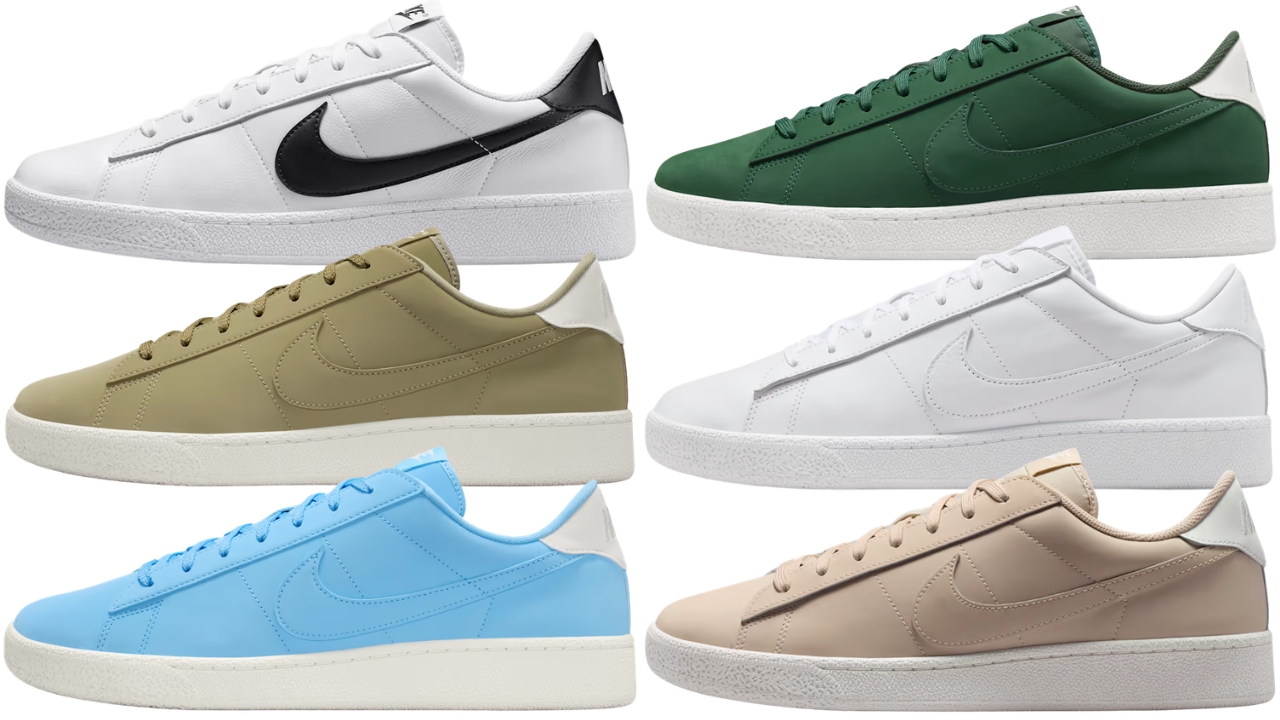
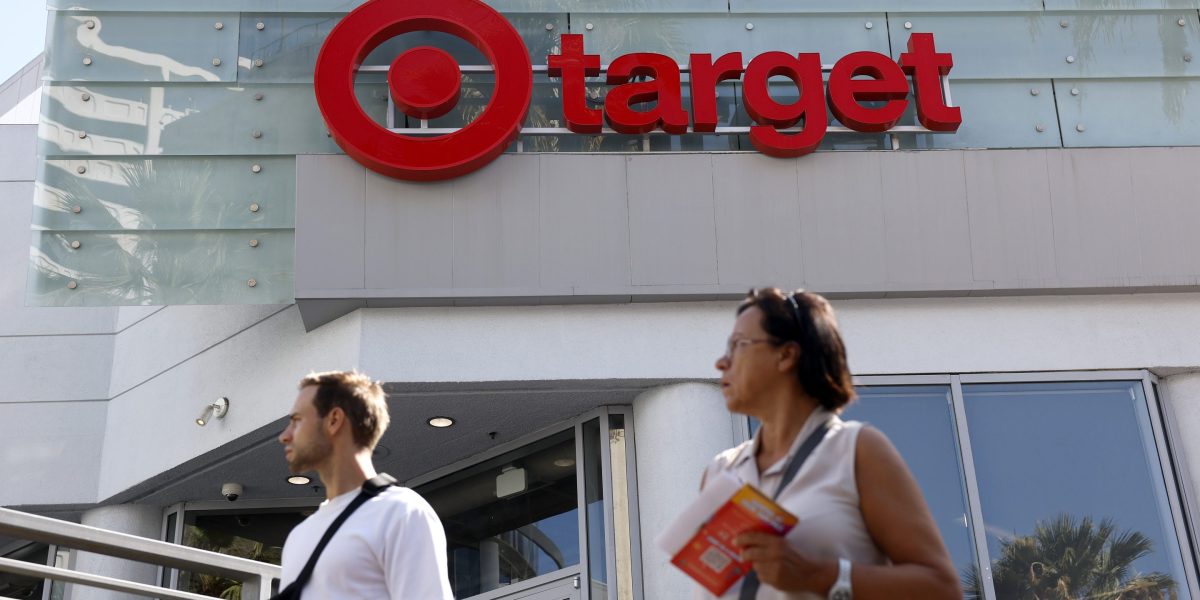
Amazon, the top Fortune 500 company, received $640 million in tariff refunds during the second quarter of 2026, according to its SEC filing. The company said this was the majority of what it expects to get. Amazon has not committed to refunding all customers, only those affected by the tariffs. Target received $994 million in refunds during the same period, which helped boost its earnings. The company said it would use the money to lower prices, not issue direct refunds to consumers. Nike also recovered a large portion of its $986 million in expected refunds, but has not confirmed if consumers will get any money back.
Received Refunds, But Unclear How Much
Automakers like Ford and General Motors reported tariff benefits, but it is unclear if they have received the full amount. Ford reported a $1.3 billion benefit from tariffs it paid between March 2025 and February 2026. GM said it received a $500 million favorable adjustment on previously paid tariffs. Stellantis received a $467 million refund. Apple reported a boost from tariff refunds, saying they added two percentage points to its gross margin. The company said it would invest the money in U.S. manufacturing. Other companies, like Costco and Kohl’s, faced lawsuits over passing on tariff costs to consumers.
Unclear Refund Situations
Some companies, like Home Depot, said they received an “immaterial amount” in refunds. Others, like Walmart, said they would not offer refunds to consumers but would use the money to lower prices. Tesla said it may be eligible for tariff refunds but noted the timing and recoverability were uncertain. Many companies that sued the Trump administration for refunds are still waiting for clarity. Revlon, J. Crew, and Bumble Bee Foods are among those who have taken legal action over the issue.
Consumer Concerns and Legal Actions
Consumers are questioning whether tariff refunds will be passed on to them. Nike is facing lawsuits from consumers who claim the company did not refund tariff-related costs. Costco also faced class action lawsuits over passing on tariff costs. Companies like FedEx are returning refunds to customers, but others, like Target, are not. The Supreme Court ruling allowed companies to seek refunds, but the process remains complex and varies by company. Some are using the refunds to cut prices, while others are keeping the money for internal use.
Refund Strategies Vary Widely
Companies have different approaches to handling tariff refunds. Some, like FedEx, are returning money to customers. Others, like Target and Walmart, are using the refunds to lower prices. Amazon and Nike have not committed to full refunds for consumers. The legal battles over refunds continue, with some companies still waiting for the full amount. The situation shows the complexity of how companies handle unexpected financial windfalls and their impact on consumers. Whether refunds reach the public remains uncertain, with many companies choosing to reinvest the money instead.