Source: Fortune.com
Summary
Giorgio Armani’s estate is preparing to sell a 15% stake, as outlined in his will, with LVMH, L’Oréal, and EssilorLuxottica named as potential buyers. The sale is to occur within 18 months of his death on Sept. 4, 2025. Giuseppe Marsocci, CEO of Giorgio Armani, stated no favorites have been chosen and the stake could be split among the three. Discussions are expected to begin after the first anniversary of Armani’s death. Dario Vitale has been appointed as head of accessories and creative director of Emporio Armani, signaling a shift in the brand’s creative direction.
Our Reading
The numbers tell one story.
Armani’s estate sets up a 15% stake sale with three big names.
CEO says no favorites, but talks may already be underway.
Vitale’s appointment hints at a creative pivot.
The will’s terms shape the next chapter of the brand.
Author: Evan Null
Giorgio Armani’s Legacy and the Future of His Empire
Giorgio Armani’s death in 2025 marked the end of an era for his fashion empire. His will outlined the sale of a 15% stake, with LVMH, L’Oréal, and EssilorLuxottica as potential buyers. The sale is set to occur within 18 months of his death, and discussions are expected to begin after the first anniversary. The timing is crucial, as it allows for a smooth transition while honoring Armani’s legacy.
The fashion house is navigating a delicate balance between maintaining its signature elegance and adapting to new creative directions. The appointment of Dario Vitale as head of accessories and creative director of Emporio Armani signals a shift in the brand’s creative strategy. His role is still evolving, and it remains to be seen how he will shape the future of the brand.
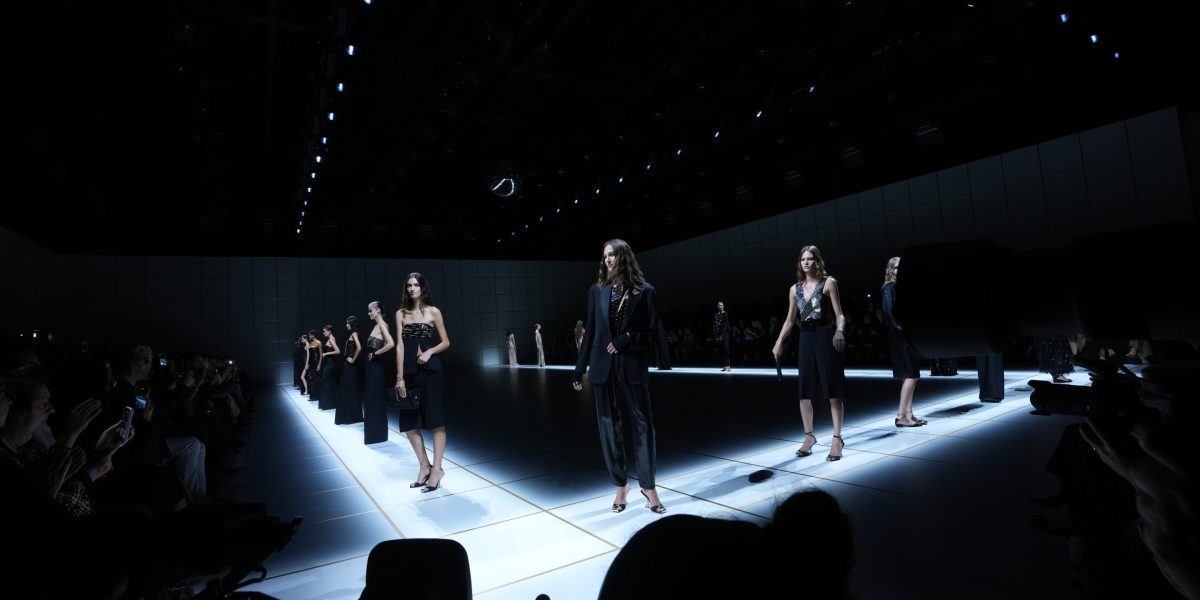
The latest collection, titled “Evolution,” reflects a blend of daywear and evening looks, with a focus on accessibility and versatility. Silvana Armani, the late designer’s niece, has introduced cotton into the collection, a departure from her uncle’s preferences. This change highlights the ongoing evolution of the brand under new leadership.
The presence of Armani’s legacy is evident in key pieces, including a recreation of his childhood Communion suit and a jacket bearing his image. These elements serve as a tribute to his enduring influence on the fashion world. The collection’s emphasis on both craftsmanship and modernity underscores the brand’s commitment to innovation.
As the fashion world watches, the sale of Armani’s stake and the appointment of new creative leaders will shape the future of the brand. The next chapter will be defined by how the company balances tradition with change, ensuring that Armani’s legacy continues to thrive in the years to come.
Bottega Veneta’s New Direction Under Louise Trotter
Louise Trotter’s third collection for Bottega Veneta marked a shift in the brand’s aesthetic. After extending the sculptural volumes of her predecessor, Matthieu Blazy, Trotter brought a more refined approach, lightening both silhouettes and materials. Her designs emphasized controlled ease, while still maintaining the brand’s signature visual exuberance.
Trotter’s collection featured oversized raffia intrecciato bags with fringe details, as well as garments made from natural materials and lightweight leather. The designs reflected a sense of “disrobing” and “optimism,” evoking the transition from spring to summer. This approach highlights her vision for a more relaxed yet still luxurious Bottega Veneta.
The collection included standout pieces such as a floral dress with uncut fringe and intrecciato skirts with feather inserts. These designs showcased Trotter’s ability to blend craftsmanship with modern aesthetics, offering a rich visual experience. Her focus on lightness and natural materials sets a new tone for the brand.
Trotter emphasized the importance of craft in her designs, stating that it is the brand’s language. She aimed to express this through a “lightest of hand possible,” balancing tradition with innovation. Her approach reflects a deep understanding of Bottega Veneta’s heritage while pushing the brand forward.
The presence of high-profile guests like Julianne Moore and Travis Scott at the show underscores the brand’s continued relevance in the fashion world. As Bottega Veneta moves forward under Trotter’s leadership, the focus will be on maintaining its unique identity while embracing new creative directions.
The Role of Key Executives in Shaping the Future
Giuseppe Marsocci, the CEO of Giorgio Armani, has been central to the brand’s transition following the designer’s death. He has emphasized that no favorites have been chosen for the stake sale, and the decision could involve all three potential buyers. Marsocci’s comments suggest a cautious approach, with discussions expected to begin after the first anniversary of Armani’s death.
Marsocci also addressed the appointment of Dario Vitale, who has taken on a key role in shaping the brand’s creative direction. While Vitale’s responsibilities are still evolving, his appointment signals a shift in the brand’s leadership. His background and vision may play a crucial role in the future of Giorgio Armani.
The CEO’s statements reflect a balance between honoring Armani’s legacy and embracing change. He has emphasized that the future is uncertain, with everything “evolving” as the brand moves forward. This approach highlights the challenges of maintaining a strong identity while adapting to new creative and business strategies.
Marsocci’s leadership will be critical in navigating the sale of the 15% stake and the transition of creative direction. His ability to manage these changes will determine how the brand continues to evolve in the coming years. The focus will be on maintaining the brand’s core values while exploring new opportunities.
As the fashion world watches, the role of key executives like Marsocci and Vitale will shape the future of Giorgio Armani. Their decisions will influence how the brand balances tradition with innovation, ensuring its continued success in the competitive fashion industry.
Design and Craftsmanship in the Latest Collections
The latest collections from Giorgio Armani and Bottega Veneta highlight the importance of design and craftsmanship. Armani’s “Evolution” collection blended daywear with evening looks, incorporating elements like silver and gold accents, as well as youthful interpretations of classic pieces. The designs reflect a shift toward accessibility and versatility, while still maintaining the brand’s signature elegance.
Silvana Armani, the late designer’s niece, introduced cotton into the collection, a departure from her uncle’s preferences. This change reflects a new direction for the brand, blending tradition with modern materials. The collection also featured key pieces that paid tribute to Armani’s legacy, such as a recreation of his childhood Communion suit.
At Bottega Veneta, Louise Trotter emphasized craftsmanship in her designs, using natural materials and lightweight leather to create a sense of controlled ease. Her collection included standout pieces like a floral dress with uncut fringe and intrecciato skirts with feather inserts. These designs showcased her ability to balance tradition with innovation.
Trotter’s focus on lightness and natural materials reflects a shift in the brand’s aesthetic, moving away from the sculptural volumes of her predecessor. Her approach highlights the importance of craftsmanship while maintaining the brand’s signature visual exuberance. The collection’s emphasis on both technique and artistry offers a rich visual experience.
Both collections demonstrate the ongoing evolution of their respective brands. The focus on design and craftsmanship ensures that they remain relevant in the ever-changing fashion landscape. As the industry continues to evolve, the role of design and craftsmanship will be crucial in shaping the future of these iconic brands.
The Influence of High-Profile Guests and Media Coverage
The presence of high-profile guests at the Giorgio Armani and Bottega Veneta fashion shows underscores the brands’ continued relevance in the fashion world. Attendees such as Julianne Moore and Travis Scott, along with Kendall Jenner closing the Bottega Veneta show, highlight the influence of celebrity culture on the fashion industry. These events serve as both a platform for the brands and a spectacle for the public.
Media coverage plays a crucial role in shaping public perception of these brands. The article from Fortune.com provides insight into the strategic moves of Giorgio Armani, including the sale of a 15% stake and the appointment of new creative leaders. This coverage helps to inform the public and industry insiders about the brand’s future direction.
The inclusion of celebrity guests and media attention reinforces the brands’ status as industry leaders. Their ability to attract high-profile figures and generate media coverage is a testament to their enduring influence. These elements contribute to the overall narrative of the brands, highlighting their continued success and relevance.
As the fashion world continues to evolve, the role of media and celebrity culture will remain important in shaping the perception of these brands. Their ability to attract attention and maintain a strong presence in the industry will be crucial in the years to come.
The combination of high-profile guests, media coverage, and strategic brand moves ensures that these fashion houses remain at the forefront of the industry. Their ability to balance tradition with innovation, while maintaining a strong public presence, will be key to their continued success.