Source: Fortune
Summary
The United Nations University Institute for Water, Environment and Health (UNU-INWEH) has released a report warning of “global water bankruptcy” due to humans overdrafting water from the natural environment. The crisis has widespread economic impacts, with the value of water and freshwater ecosystems estimated to be $58 trillion, or about 60% of global GDP. Despite this, markets are not pricing in the costs of water-related risks, and are overlooking the need for key resources to replenish and sustain the crucial resource. The report warns that about half of the world’s food supply is produced in areas where total water storage is on the decline, and that drought alone is costing $307 billion annually.
Our Reading
The numbers tell one story. EBC Financial Group market analyst Sana Ur Rehman says markets are not taking water-related risks seriously enough. The value of water and freshwater ecosystems is estimated to be $58 trillion, but it’s not being reflected in market prices. Ur Rehman argues that not enough has been done to invest in solutions to create a sustainable supply of water. The gap between what water systems need and what they receive in capital investment is widening. The World Bank Group has announced a global initiative to improve water security for $1 billion people.
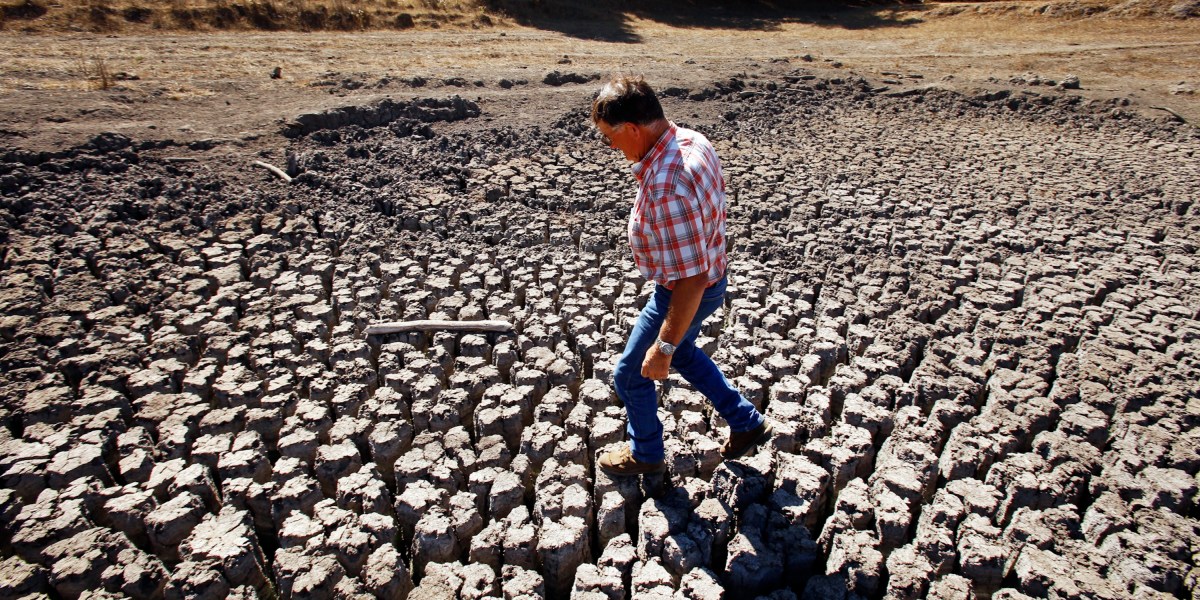
Water has become a critical resource in AI data centers, used to cool servers and prevent them from overheating. The agricultural industry in Egypt, Kansas, Oklahoma, and Texas is also feeling the impacts of water shortages. The Grand Ethiopian Renaissance Dam may exacerbate water troubles in Egypt, and the Colorado River has experienced a structural deficit for over 20 years. The drought in Corpus Christi, Texas, is on the verge of a water emergency that may hobble its refineries and petrochemical plants.
The lack of private funding for water management is a major concern. Markets have underinvested in water supply maintenance because it has been regarded as an environmental rather than an economic problem. The UN advocates for legal and governance institutions to take the lead in protecting water supplies, suggesting sweeping policy and legislative changes.
Water systems are not just an environmental issue, but an economic one. When water systems work, farmers produce, businesses operate, and cities attract investment. The task now is to align reform, financing, and partnerships to deliver reliable water services at scale.
Author: Evan Null