Source: Fortune
Summary
Indeed CEO Deko Idekoba says AI is not fast enough to transform the labor market, citing uneven impacts. He notes that skilled tradespeople are retiring, and few young workers are entering these fields. Maggie Hulce, Indeed’s chief revenue officer, says the issue is an information gap. Data shows blue-collar data center jobs pay 42% more than other roles. Hybrid AI-related jobs, like “AI autonomous truck test driver,” are emerging. Hulce says talent shortages are a business cost and revenue risk.
Our Reading
The numbers tell one story.
Indeed’s CEO says AI isn’t changing the labor market fast enough.
Skilled tradespeople are retiring, and young workers aren’t replacing them.
Blue-collar data center jobs pay 42% more than other roles.
The status problem is real, and it’s costing companies.
Author: Evan Null
AI and the Labor Market
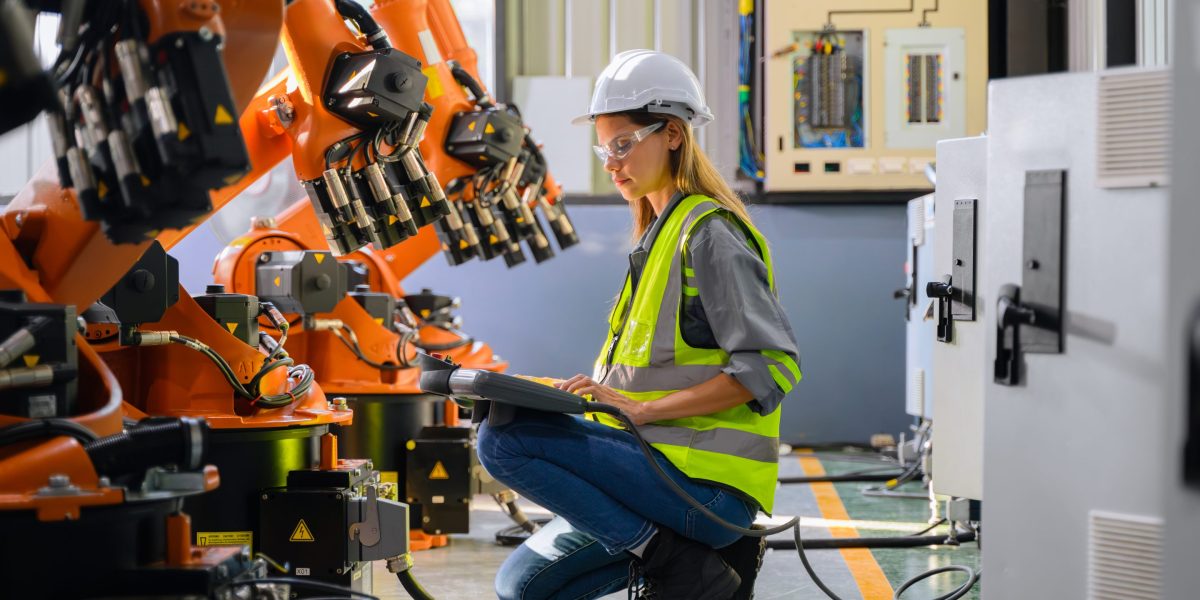
Indeed CEO Deko Idekoba says AI is not moving fast enough to change the labor market. He argues that the technology is advancing in office work but not in skilled trades. This creates a gap as older workers retire and younger ones don’t step in. The issue is not just about technology but also about how society views certain jobs.
Respect and Career Choices
Idekoba points out that in the U.S., there is little respect for skilled trades. He compares this to countries like Japan and Germany, where such jobs are highly valued. This lack of respect discourages young people from pursuing these careers. Parents and educators play a role in shaping career perceptions.
The Role of Information
Maggie Hulce, Indeed’s chief revenue officer, sees the problem as an information gap. She says people make better career decisions when they understand where there is demand and what the pay looks like. For example, a blue-collar data center job may look more attractive than a finance manager role once the salary is clear.
Changing Job Titles
As AI evolves, new job titles are emerging. Instead of traditional roles, there are now hybrid positions like “AI autonomous truck test driver” and “AI safety operator.” These roles blend technical skills with traditional trades. However, the challenge remains in finding enough skilled workers to fill them.
The Business Impact
Hulce says talent shortages are not just a process problem but a business cost and revenue risk. Companies need to address this issue to avoid delays and lost opportunities. The solution involves changing perceptions and providing better information about job opportunities and their value.