Source: Fortune
Summary
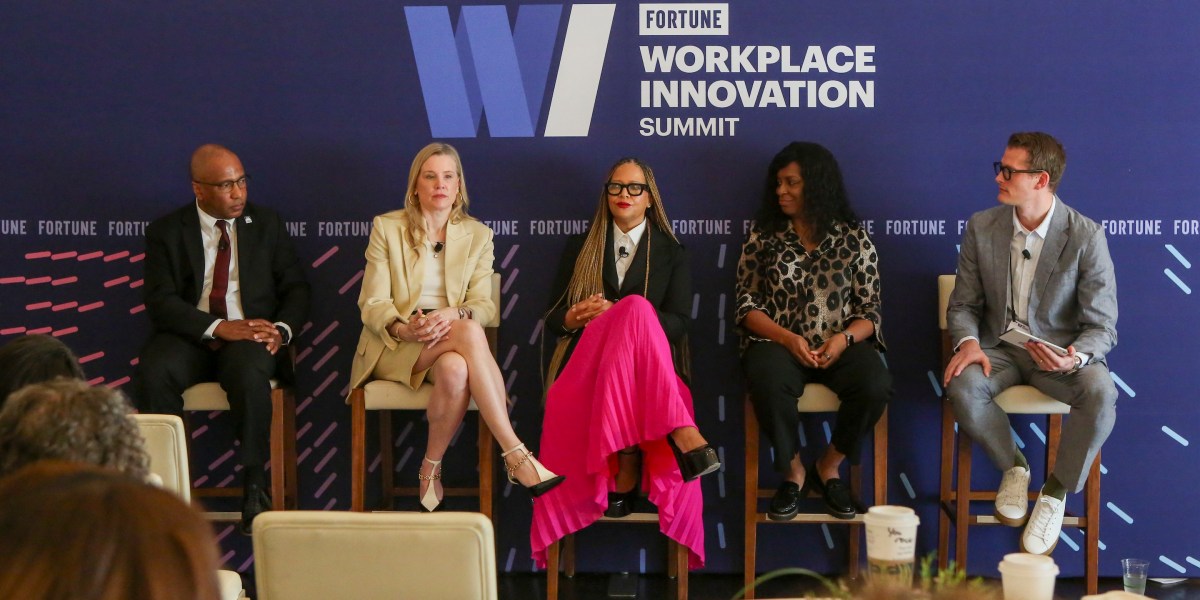
A panel of executives and educators discussed the challenges faced by the class of 2026 in entering the job market, citing the impact of AI, shrinking entry-level roles, and a generation losing faith in the system. They emphasized the need for skills beyond traditional degrees, such as critical thinking, adaptability, and communication. The panel also highlighted the importance of internships, partnerships, and community colleges in preparing students for the workforce. Additionally, they discussed the limitations of AI-driven hiring tools and the need for a more human-centric approach.
Our Reading
The numbers tell one story. The vanishing entry-level job has elevated the bar for new workers, with AI and automation eliminating many positions. Employers are now looking for skills beyond traditional degrees, such as problem-solving, critical thinking, and communication. The interview process has also changed, with candidates struggling to articulate their skills and experiences. The panelists emphasized the need for a more nuanced approach to hiring, one that balances technology with human judgment.
The strategy enters a familiar phase. As companies adapt to the changing job market, they are rethinking their hiring processes and placing greater emphasis on skills and adaptability. The panelists’ advice to graduates? Focus on developing critical thinking, storytelling, and communication skills, and be prepared to pivot in a rapidly changing job market.
The announcement sounds familiar. The class of 2026 is facing a tough job market, but the panelists offered reasons for optimism. By emphasizing skills, partnerships, and human-centric hiring practices, companies and educators can work together to prepare the next generation for success.
Original observation: The job market is no longer just about getting hired; it’s about getting noticed.
Author: Evan Null