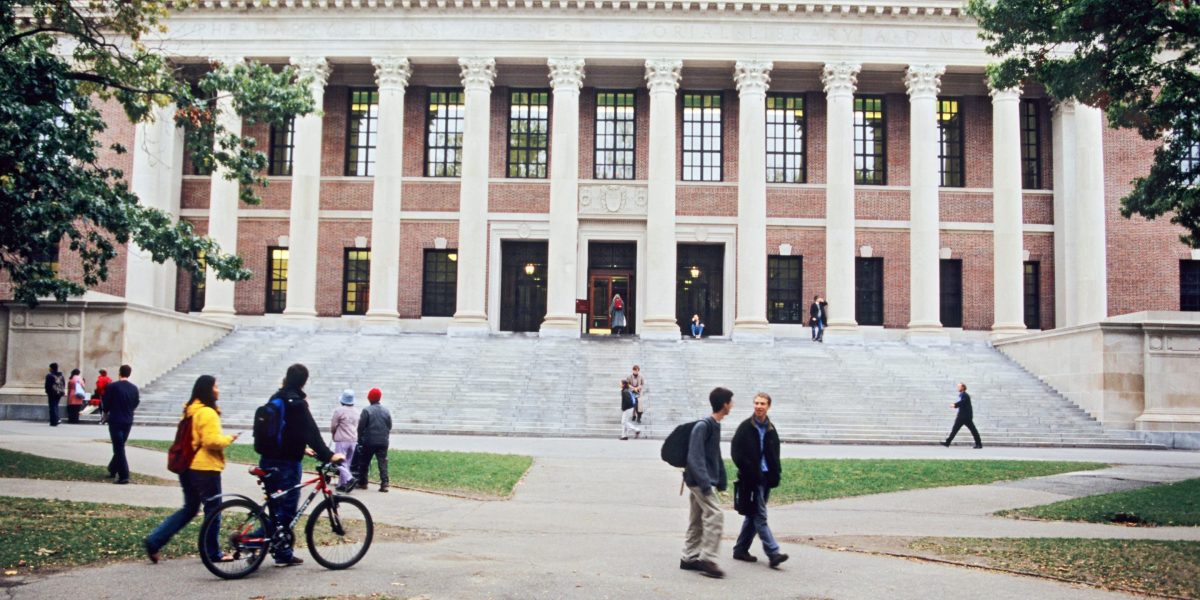
Source: Fortune
Summary
A Fortune article discusses Harvard’s continued use of legacy admissions after the Supreme Court banned race-conscious admissions. The piece highlights the Z-List, a backdoor admissions pathway for children of wealthy donors and alumni. Data shows legacy applicants have a much higher admission rate than non-legacy applicants. Civil rights groups have challenged Harvard’s policies, and the Department of Education is investigating. The article argues that legacy preferences are inconsistent with the principles of equal opportunity and questions the role of philanthropy in admissions decisions.
Our Reading
The numbers tell one story.
Harvard admits 34% of legacy applicants, 6% of non-legacy.
Civil rights groups challenge legacy preferences after affirmative action ban.
Philanthropy and admissions remain tangled.
Legacy preferences persist, even as race-based ones end.
Author: Evan Null
Harvard’s Hidden Admissions Pathway
Harvard has a secret backdoor known as the Z-List, which allows a small number of applicants to gain admission after waiting a year. This pathway is not advertised and is rarely discussed publicly. It has been used to admit children of wealthy donors, alumni, and even heads of state. The Z-List has become a symbol of the hidden advantages that exist in elite college admissions.
Legacy Admissions After Affirmative Action
After the Supreme Court ruled against race-conscious admissions, many expected legacy preferences to be reevaluated. However, Harvard and other elite institutions continue to favor children of alumni. The article argues that this practice is inconsistent with the principles of fairness and equal opportunity. Legacy preferences, which historically benefited white applicants, are now becoming more racially diverse but remain controversial.
Philanthropy and Admissions
Elite universities rely heavily on philanthropy, and many believe that alumni loyalty translates into financial support. Harvard, for example, provides significant financial aid and conducts critical research. The article questions whether it is appropriate for universities to consider a student’s family background in admissions, especially when they are tax-exempt charitable institutions. It suggests that donor preferences should be reserved for truly transformational gifts, not just alumni status.
Legal and Ethical Challenges
Civil rights groups have filed complaints against Harvard, alleging that its legacy and donor preferences violate federal anti-discrimination laws. The U.S. Department of Education has launched an investigation into Harvard’s admissions practices. The article argues that there is no need for a three-year review of such a clear issue. It also raises concerns about the tax implications of legacy admissions, suggesting that universities cannot simultaneously accept charitable donations and offer preferential treatment to donors’ children.
The Broader Implications
Harvard is a bellwether for American higher education, and its policies often set the tone for other elite institutions. The article argues that Harvard’s continued use of legacy preferences sends a message that wealth and family connections still matter more than merit. It calls on universities to eliminate broad legacy preferences and to be more transparent about the role of philanthropy in admissions. The piece concludes that the Supreme Court’s decision should have led to the end of all preferential admissions, not just those based on race.