Source: Fox News
Summary
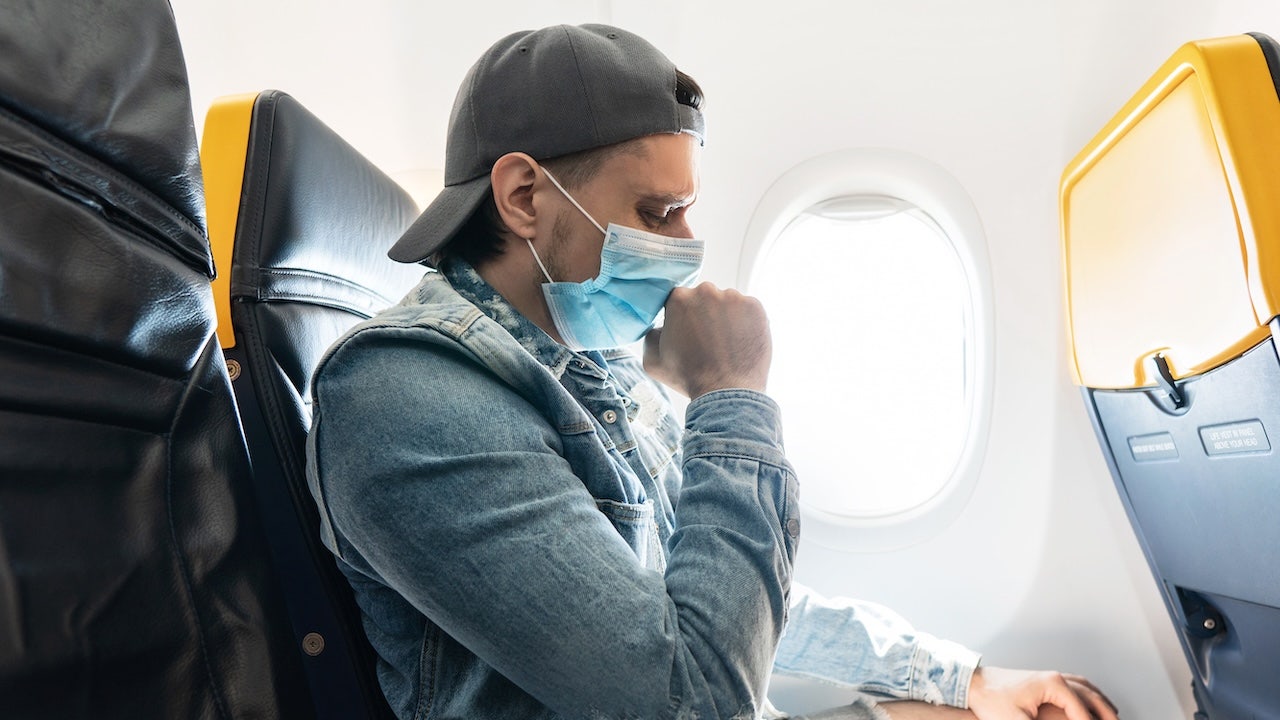
Human metapneumovirus (HMPV) is a highly contagious virus that is currently spreading on the West Coast, particularly in Northern California. The virus is in the same family as respiratory syncytial virus (RSV) and was first discovered in 2001. According to the Centers for Disease Control and Prevention (CDC), HMPV can cause symptoms such as cough, fever, nasal congestion, and shortness of breath, and can lead to severe illness in high-risk individuals, including young children, older adults, and those who are immunocompromised.
Our Reading
This guidance has been heard before.
HMPV is not a new virus, but its recent surge on the West Coast has brought it back into the spotlight. The CDC monitors wastewater samples to detect infection patterns in communities, and the data shows that HMPV is increasing not only in the west but also around the country. The virus can be transmitted through close personal contact, coughing, sneezing, and touching contaminated surfaces.
The lack of a vaccine or treatment for HMPV is a concern, but supportive care such as drinking plenty of fluids and resting can help alleviate symptoms. The CDC provides prevention methods to help curb the spread of the virus.
It’s a familiar scenario: a virus that’s been around for years suddenly gains attention due to a surge in cases, leaving people wondering if they should be concerned.
Author: Evan Null