Source: Fox News
Summary
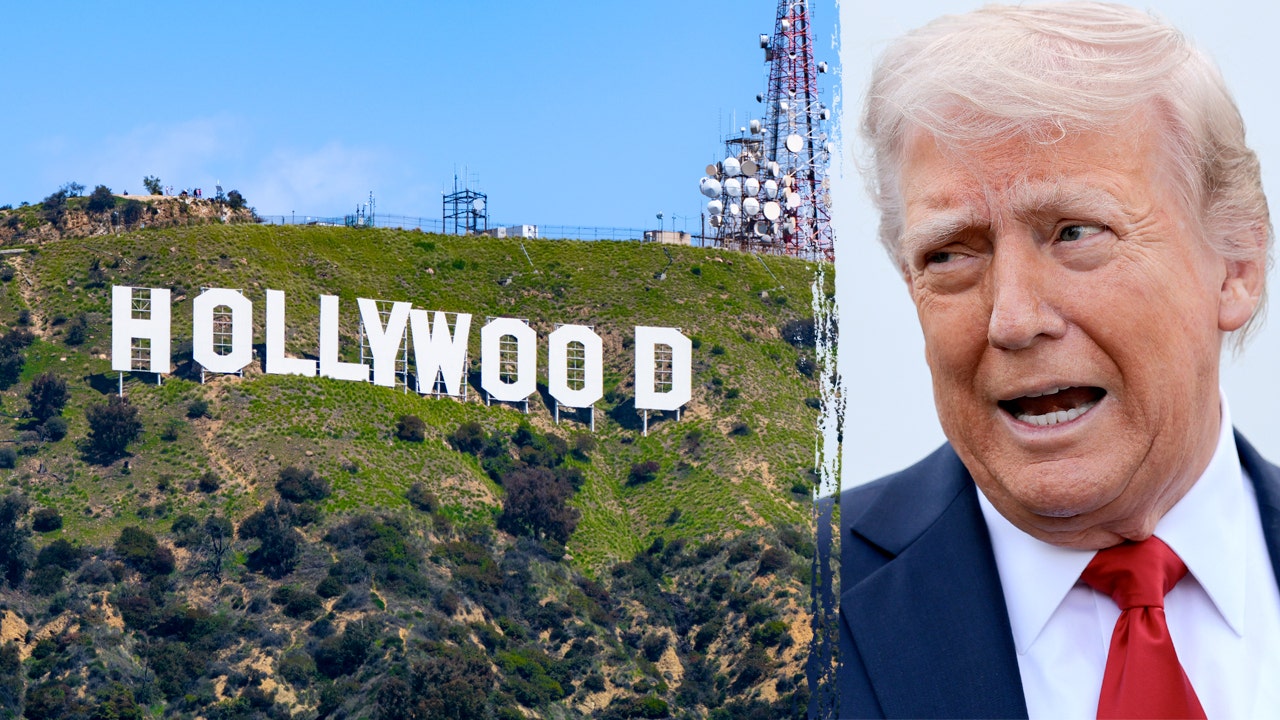
The U.S. film and TV industry is losing production to other countries due to better tax policies. President Donald Trump urged Congress to pass legislation to bring production back. A new bill proposes tax incentives for studios to film in the U.S., with extra benefits for rural areas. Rep. Nathaniel Moran, R-Texas, and others are pushing the Motion Picture, Television, and Entertainment Revitalization Act. The bill is supported by both Democrats and Republicans, including Sen. Adam Schiff and Sen. Tim Scott. The goal is to keep American storytelling and jobs within the country.
Our Reading
As expected, the matter has reached another stage.
Lawmakers from both parties gather to talk about film.
Trump’s name comes up, as it always does.
Rep. Moran speaks about rural jobs, far from Hollywood.
Some see it as a way to keep American values in movies.
Author: Evan Null
Unlikely Alliances
Rep. Nathaniel Moran, R-Texas, and Sen. Adam Schiff, D-Calif., are working together on a film industry bill. Their collaboration is unusual given their political differences. The bill aims to bring film production back to the U.S. with tax incentives. Moran’s district is rural, far from traditional film centers. The bill also includes support for rural communities through federal opportunity zones.
Political Motivations
The bill is part of a broader effort to keep jobs and production in the U.S. Some lawmakers see it as a way to counter the influence of foreign values on American media. Rep. Moran emphasized the importance of American storytelling and the need to inspire the next generation. The bill has support from both Democrats and Republicans, including Rep. Tom Suozzi, D-N.Y.
Industry Concerns
Some critics, particularly on the right, are wary of giving tax breaks to an industry they see as liberal. Rep. Moran addressed these concerns by highlighting conservative and faith-based productions in Texas. He argued that these productions support local economies and reflect American values. The bill’s focus on rural areas is seen as a way to distribute economic benefits more widely.
Timing and Challenges
The bill is part of a potential bipartisan tax package at the end of the year. However, the approaching congressional term and the November election pose challenges. Rep. Moran expressed hope that the bill would be included in a lame-duck session package. The urgency of the situation is clear, with lawmakers aware that time is limited.
Public Reaction
Public reaction to the bill is mixed. Some see it as a necessary step to save jobs and preserve American culture. Others question the effectiveness of tax incentives in reversing industry trends. The bill has drawn attention from both supporters and critics, highlighting the complexity of the issue. The debate continues as lawmakers work to finalize the legislation.