Source: Fortune.com
Summary
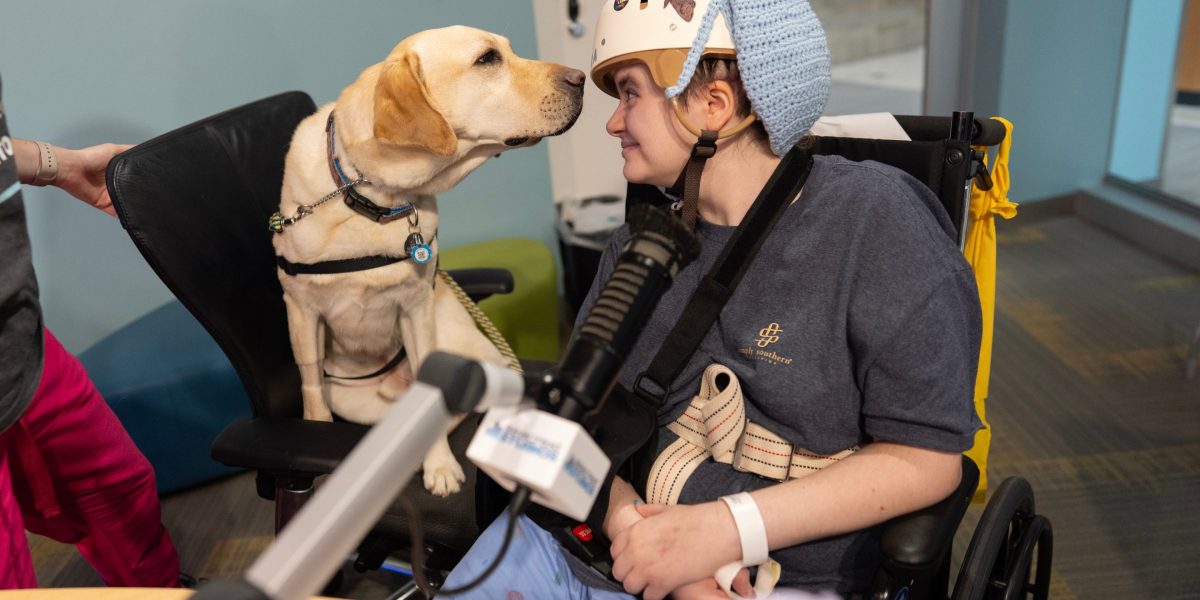
Facility dogs like Hadley, a Labrador-golden retriever mix, are being used in children’s hospitals across the US to provide emotional support and comfort to patients. These dogs are specially trained and are allowed in more sensitive areas of the hospital than volunteer dogs. Research has shown that interactions with facility dogs can improve children’s overall well-being, decrease pain, and reduce stress. The number of facility dogs in children’s hospitals is growing, with many hospitals starting new programs and organizations providing trained dogs to hospitals.
Our Reading
The numbers tell one story. Hospital facility dogs like Hadley are being used to provide emotional support to patients, and research shows it’s working. The dogs are specially trained and allowed in sensitive areas of the hospital. They’re becoming increasingly popular, with many hospitals starting new programs. But it’s not just about the dogs – it’s about the impact they have on patients like Calvin, who smiled as Hadley fetched a ball, and Aspen, who found comfort in Hadley’s presence. The dogs are making a real difference, one interaction at a time.
What’s Behind the Trend
The growth of facility dog programs in children’s hospitals can be attributed to the mounting body of research showing their benefits. Experts say the dogs provide a sense of normalcy and comfort in a stressful environment. Hospitals are taking notice, with many starting new programs and seeking funding to cover the costs of caring for the dogs.
The Business of Facility Dogs
Organizations like Canine Assistants in Georgia are breeding, raising, and training dogs specifically for children’s hospitals. These nonprofits place the dogs with hospital staff members, who care for them and handle the costs of food, veterinary care, and other expenses. Hospitals often fundraise or seek grants to cover these costs.
The Human-Animal Bond
Experts say the bond between humans and animals is key to the success of facility dog programs. The dogs provide a comforting presence, build rapport, and normalize the hospital environment for children and families. Research has shown that animal-assisted therapies can improve heart and lung function, reduce anxiety and pain, and even control blood pressure.
A Day in the Life
Hadley’s workday starts whenever her handler arrives at the hospital. She spends her days visiting patients, playing with them, and providing comfort. She also gets breaks to rest and play with her canine co-workers. The dogs are treated like celebrities, with their own TV shows, photos, and trading cards.
The Impact on Patients
Patient’s like Aspen and Calvin have benefited from Hadley’s presence. The dogs help them cope with their conditions, provide comfort, and even encourage them to exercise. The dogs also help families cope, providing a sense of normalcy in a stressful environment.